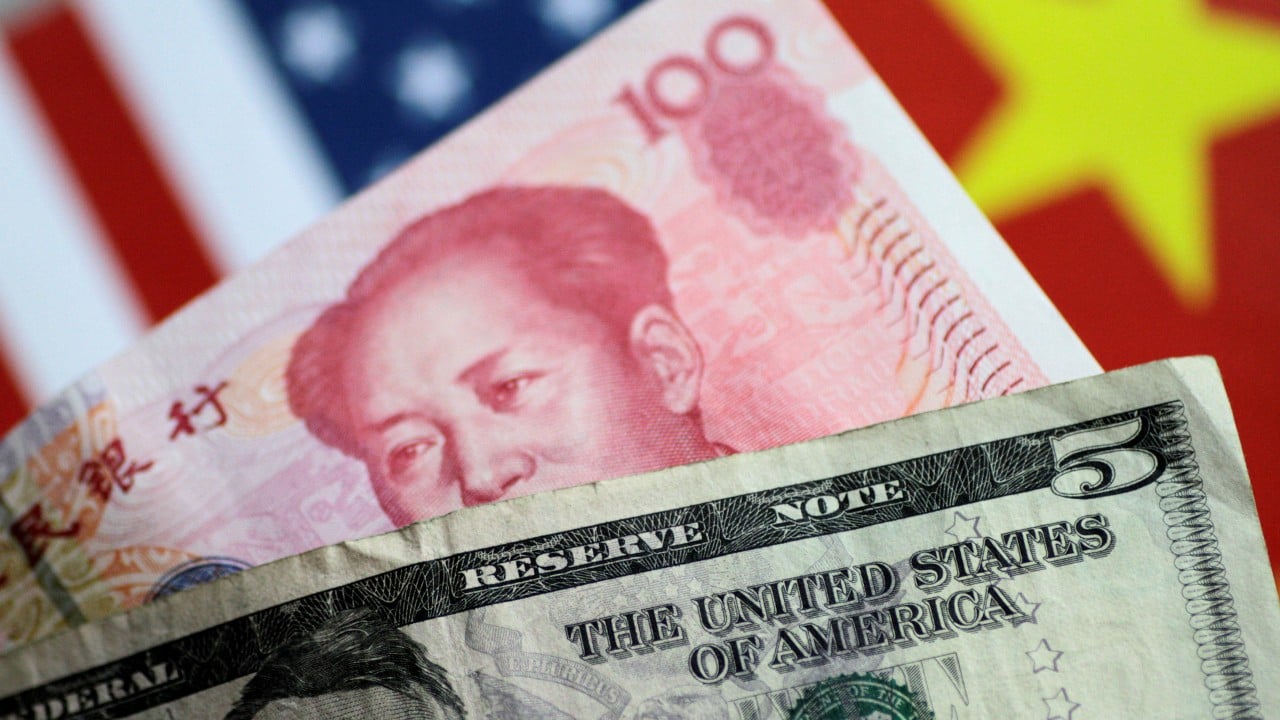
Dollar risks rising but Plaza Accord-style coordination not feasible now: ex-IMF adviser
The News
Barry Eichengreen, a former senior policy adviser at the IMF, argues that Plaza Accord-style exchange-rate coordination is currently not feasible because central banks are prioritizing domestic objectives. He notes growing concerns over the dollar-centered monetary system, which complicates the transition to a multipolar international monetary system. The persistence of erratic US policies and weakening institutional guardrails further exacerbates these challenges.
Infographic
No infographic was generated for this story. GreyNews is not leaving this spinning indefinitely.
The Analysis
Intelligence Brief
Analyzed · High confidence (84%)
Same as the summary above — this brief adds the distinct fields below.
Growing concerns over the dollar-centred monetary system.
Barry Eichengreen is a former senior policy adviser at the International Monetary Fund.
5 claims still need verification.
No forecast extracted yet.
Key findings
Plaza Accord-style exchange-rate coordination is now out of reach due to central banks prioritizing domestic objectives.
Opinion- Growing concerns over the dollar-centred monetary system.
- Transition to a more multipolar international monetary system is complicated.
Trust Breakdown
Plain English
Loaded language removedWith central banks prioritising domestic objectives, Plaza Accord-style exchange-rate coordination is now out of reach despite growing concerns over the dollar-centred monetary system, complicating the smooth transition to a more multipolar international monetary system, according to a prominent economic historian.
Emotionally neutral rewrite. Same facts, calmer framing.
What's next
This angle has contested claims
Claims
Plaza Accord-style exchange-rate coordination is now out of reach due to central banks prioritizing domestic objectives.
OpinionThere are growing concerns over the dollar-centred monetary system.
OpinionThe transition to a more multipolar international monetary system is complicated.
OpinionErratic US policies and weakening institutional guard rails are persisting.
OpinionBarry Eichengreen is a former senior policy adviser at the International Monetary Fund.
South China Morning Post