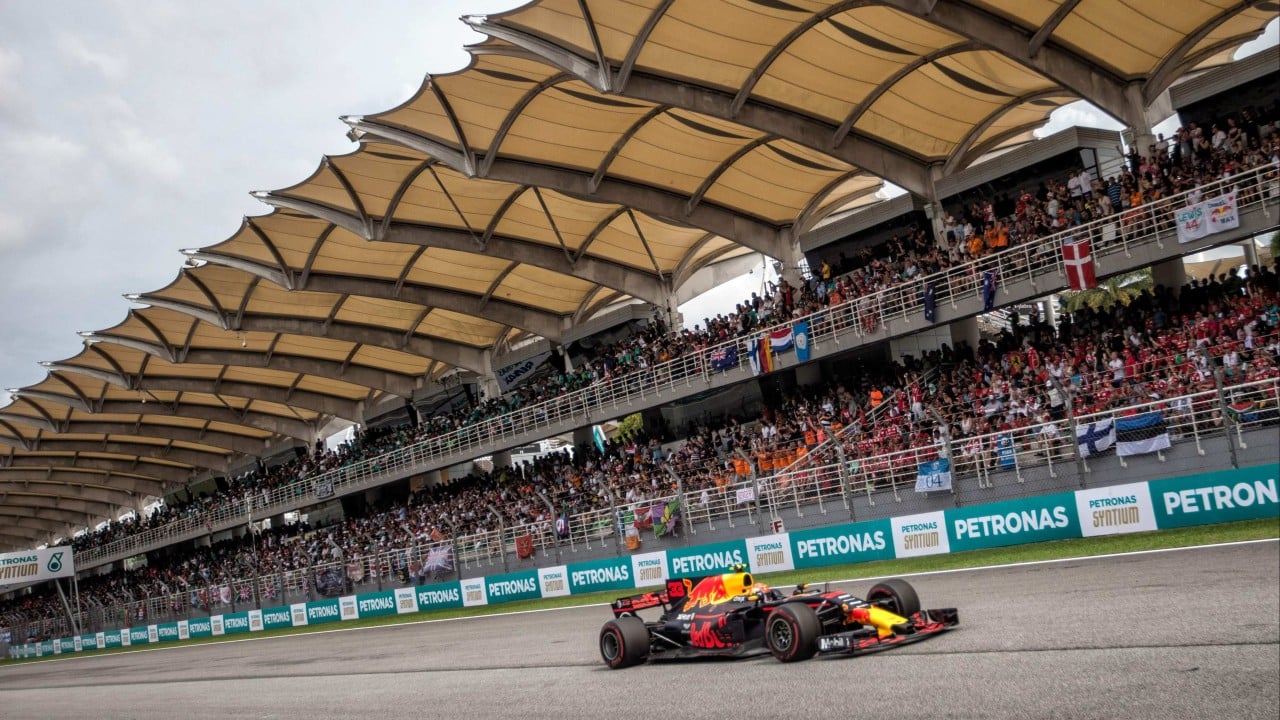
How a displaced F1 race could be Malaysia’s ‘blessing in disguise’
The News
Malaysia, which previously ended its Formula One race due to high costs, may host a one-off Grand Prix after the cancellation of races in Bahrain and Saudi Arabia, reportedly caused by the war in Iran. The event, held at Sepang, is seen by analysts as a potential tourism boost and a test of whether F1 can provide value without a long-term commitment. It offers Malaysia an unexpected return to the F1 calendar without the full financial burden of a permanent comeback.
Infographic
The Analysis
Intelligence Brief
Analyzed
Same as the summary above — this brief adds the distinct fields below.
One-off race avoids long-term financial commitment
Malaysia once decided Formula One was too expensive to keep.
5 claims still need verification.
No forecast extracted yet.
5 unresolved.
Key findings
Analysts say the one-off race offers Malaysia more than a nostalgic return to Sepang; it provides a timely tourism lift.
South China Morning Post- One-off race avoids long-term financial commitment
- Expected boost in tourism revenue
Plain English
Loaded language removedMalaysia once decided Formula One was too expensive to keep, but Bahrain’s displaced Grand Prix has given it an unexpected route back to the calendar, as well as a chance to test whether the sport can still deliver value without the full financial burden of a long-term comeback.
Emotionally neutral rewrite. Same facts, calmer framing.
What's next
This angle has contested claims
Claims
Analysts say the one-off race offers Malaysia more than a nostalgic return to Sepang; it provides a timely tourism lift.
South China Morning PostThe race provides a chance to test whether Formula One can still deliver value without the full financial burden of a long-term comeback.
OpinionMalaysia once decided Formula One was too expensive to keep.
South China Morning PostBahrain's displaced Grand Prix has given Malaysia an unexpected route back to the calendar.
South China Morning PostThe one-off race is made possible by the war in Iran and the cancellation of April’s races in Bahrain and Saudi Arabia.
South China Morning Post