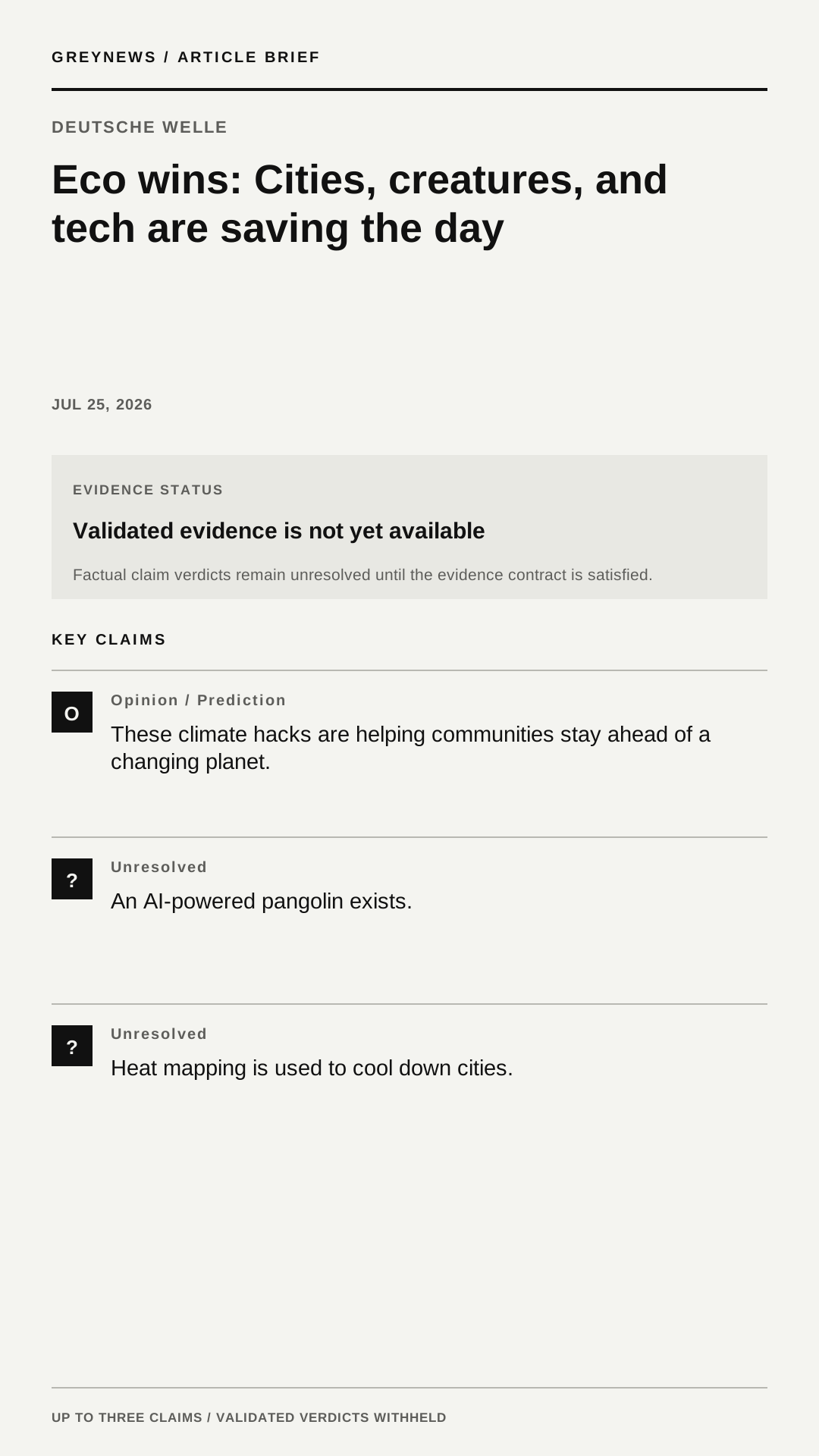
Eco wins: Cities, creatures, and tech are saving the day
The News
Several climate adaptation strategies are being used to mitigate the effects of climate change. These include an AI-powered pangolin, heat mapping to cool cities, and animals helping to reduce wildfire risks. These real-world approaches are helping communities prepare for a changing climate.
Infographic
The Analysis
Intelligence Brief
Analyzed
Same as the summary above — this brief adds the distinct fields below.
Animals are used to reduce wildfire risks naturally.
Heat mapping is used to cool down cities.
4 claims still need verification.
No forecast extracted yet.
4 unresolved.
Key findings
These climate hacks are helping communities stay ahead of a changing planet.
Opinion- Animals are used to reduce wildfire risks naturally.
- Heat mapping helps mitigate urban heat islands.
Plain English
Loaded language removedFrom an AI-powered cute little pangolin, heat mapping to cool down cities and animals reducing wildfire risks by doing their thing, these real-world climate hacks are helping communities stay ahead of a changing planet.
Emotionally neutral rewrite. Same facts, calmer framing.
What's next
This angle has contested claims
Claims
These climate hacks are helping communities stay ahead of a changing planet.
OpinionAn AI-powered pangolin exists.
Deutsche WelleHeat mapping is used to cool down cities.
Deutsche WelleAnimals reduce wildfire risks.
Deutsche Welle