China joins US in reusable orbital rocket capability
The News
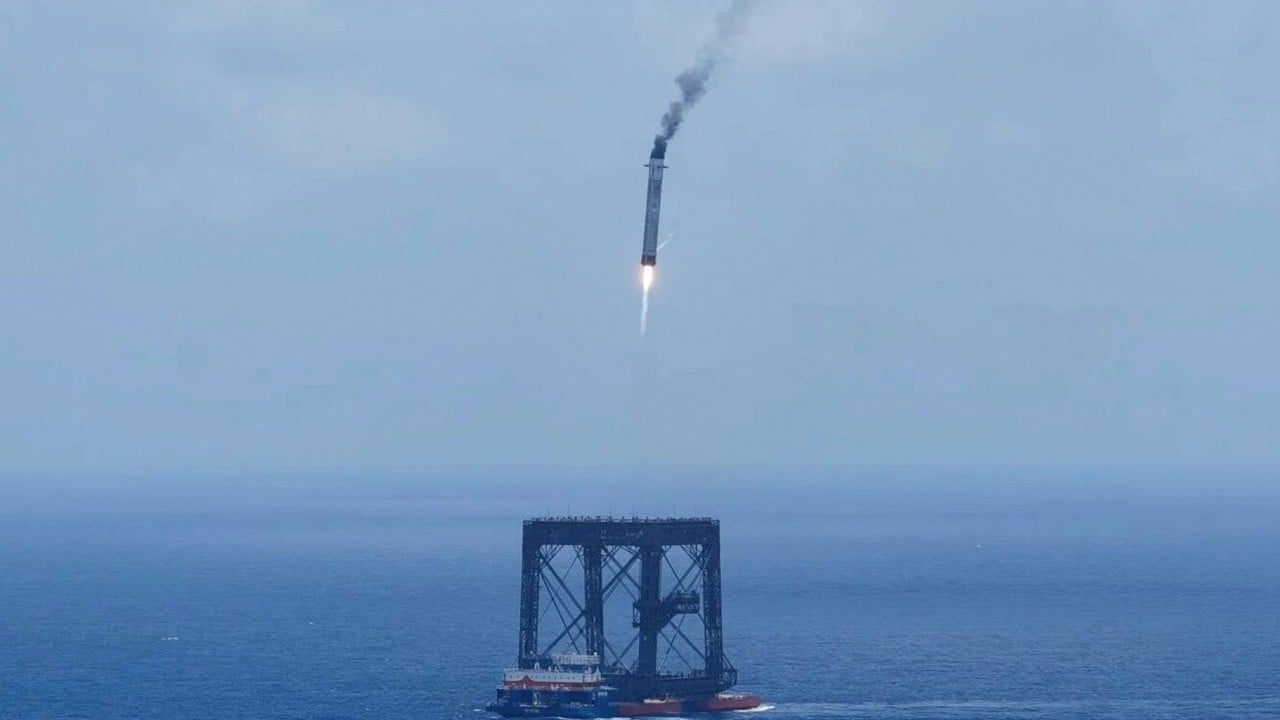
China successfully recovered the booster stage of a Long March-10B rocket at sea after its maiden launch, becoming the second country after the United States to demonstrate controlled recovery of a reusable orbital rocket. The novel technique involved engine positioning over a floating platform, differing from the landing legs used by SpaceX. This achievement marks a significant step forward in China's space capabilities and reusable rocket technology.
Infographic
The Analysis
Intelligence Brief
Analyzed · High confidence (85%)
Same as the summary above — this brief adds the distinct fields below.
Novel technique: booster captured at sea using engines to position over platform.
The rocket stage used its engines to position itself over a floating platform instead of landing with extendable hydraulic legs.
4 claims still need verification.
No forecast extracted yet.
Key findings
China has become the second country after the United States to achieve controlled recovery of a reusable orbital space rocket.
South China Morning Post- Novel technique: booster captured at sea using engines to position over platform.
- Second country to achieve controlled recovery.
Trust Breakdown
Plain English
Loaded language removedChina has become the second country after the United States to achieve the controlled recovery of a reusable orbital space rocket. Friday’s capture at sea of the booster stage of a Long March-10B rocket after its maiden launch used a novel technique different from that of Elon Musk’s recently listed SpaceX and previous Chinese attempts.
Emotionally neutral rewrite. Same facts, calmer framing.
What's next
This angle has contested claims
Claims
China has become the second country after the United States to achieve controlled recovery of a reusable orbital space rocket.
South China Morning PostThe recovery involved the booster stage of a Long March-10B rocket after its maiden launch.
South China Morning PostThe technique used was different from that of SpaceX and previous Chinese attempts.
South China Morning PostThe rocket stage used its engines to position itself over a floating platform instead of landing with extendable hydraulic legs.
South China Morning Post