Odd Lots: How Franchising Led to the Gig Economy (Podcast)
The News
This podcast episode explores how the franchise model, which fueled the fast food boom in the 1950s, eventually led to the rise of the gig economy. Legal battles by franchisees created precedents that allowed companies like Uber to classify workers similarly. The discussion highlights the long-term consequences of franchising on American employment structures.
Infographic
The Analysis
Intelligence Brief
Analyzed
Same as the summary above — this brief adds the distinct fields below.
Franchise model allowed independent operators to license trademarks.
The fast food industry began booming in the 1950s via the franchise business model.
5 claims still need verification.
No forecast extracted yet.
5 unresolved.
Key findings
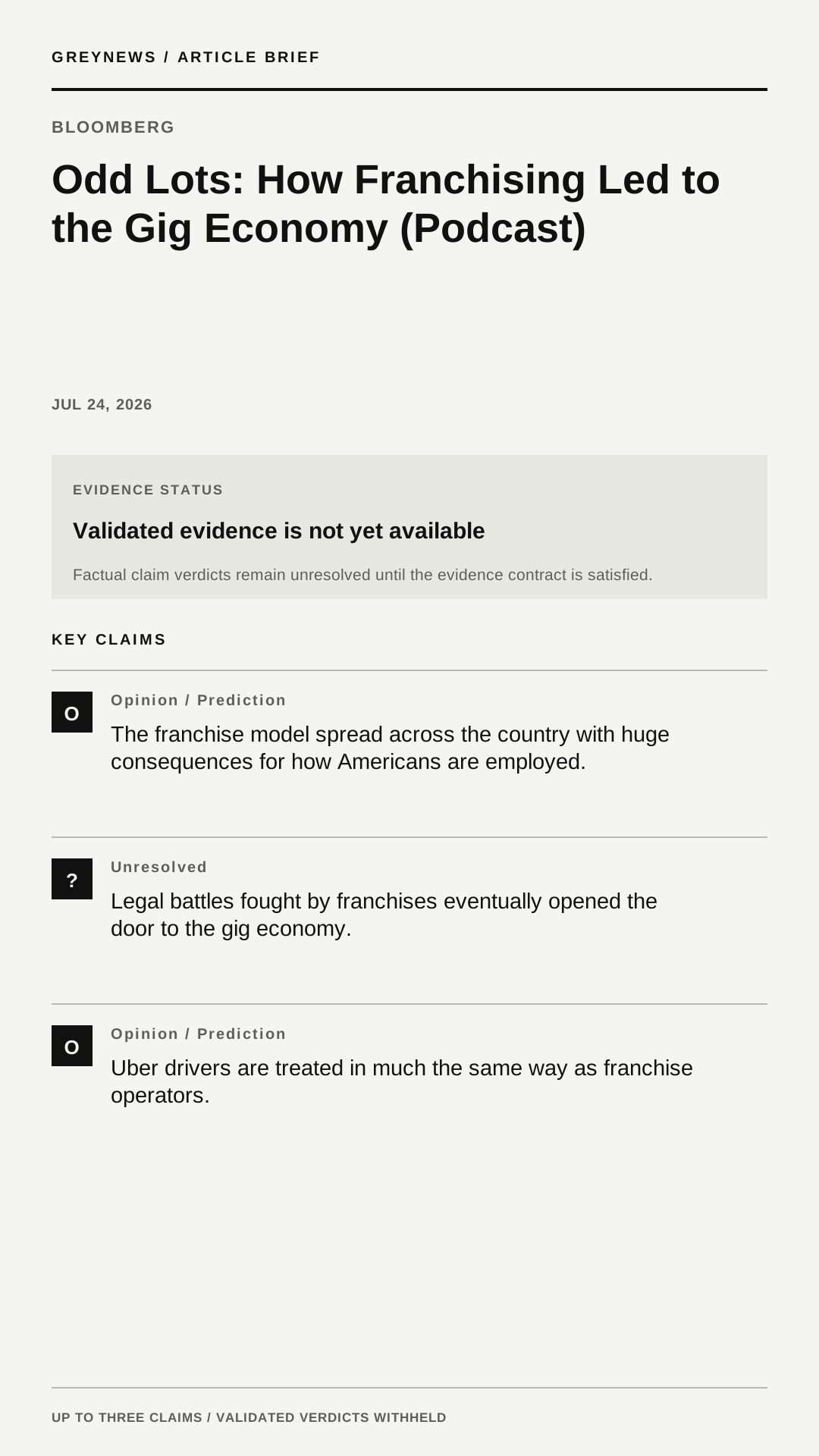
The franchise model spread across the country with huge consequences for how Americans are employed.
Opinion- Franchise model allowed independent operators to license trademarks.
- Legal battles fought by franchises opened the door to gig economy.
Plain English
Loaded language removedWhen the fast food industry began booming in the 1950s, it did so via a new business model known as the franchise. This model allowed independent operators to license trademarks from a business like McDonald’s or Dunkin Donuts, and it soon spread across the country, with huge consequences for how Americans are employed.
Emotionally neutral rewrite. Same facts, calmer framing.
What's next
This angle has contested claims
Claims
The franchise model spread across the country with huge consequences for how Americans are employed.
OpinionLegal battles fought by franchises eventually opened the door to the gig economy.
BloombergUber drivers are treated in much the same way as franchise operators.
OpinionThe fast food industry began booming in the 1950s via the franchise business model.
BloombergFranchising allowed independent operators to license trademarks from businesses like McDonald's or Dunkin Donuts.
Bloomberg