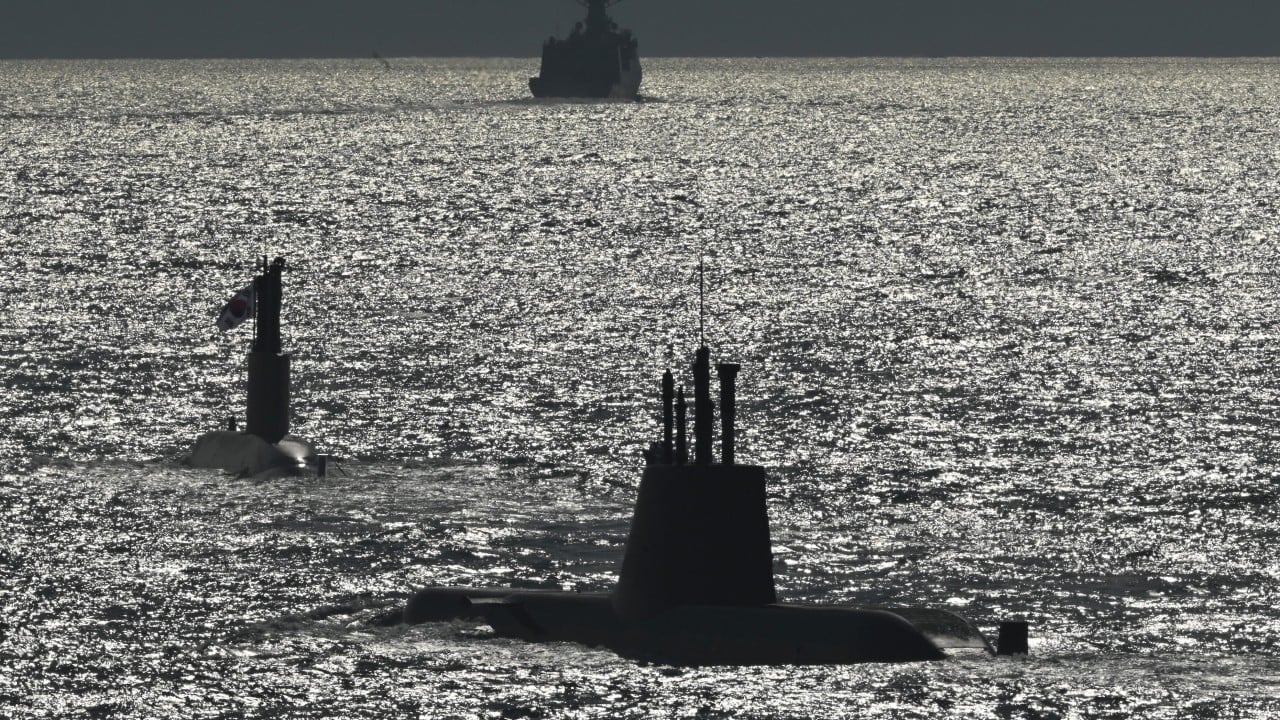
Why South Korea’s submarine exports are running aground
The News
South Korea lost a bid for Canada's next-generation submarine project to Germany's ThyssenKrupp Marine Systems. The loss highlights growing challenges for South Korea's defence export sector, as geopolitical and alliance considerations increasingly outweigh commercial factors like price and technology. Analysts attribute this shift to NATO security ties and pressure to favor allied industrial bases. This trend could impact South Korea's ambitions as a rising defence exporter.
Infographic
No infographic was generated for this story. GreyNews is not leaving this spinning indefinitely.
The Analysis
Intelligence Brief
Analyzed · High confidence (86%)
Same as the summary above — this brief adds the distinct fields below.
NATO security ties influenced Canada's decision
South Korea lost the Canadian Patrol Submarine Project (CPSP) to Germany’s ThyssenKrupp Marine Systems.
4 claims still need verification.
No forecast extracted yet.
Key findings
Nato security ties and pressure on member states to favor allied industrial bases are increasingly outweighing commercial competitiveness in major procurement decisions.
Opinion- NATO security ties influenced Canada's decision
- Geopolitical bloc dynamics are overtaking market competition
Trust Breakdown
Plain English
Loaded language removedSouth Korea’s unsuccessful attempt for Canada’s next-generation submarine fleet has exposed a challenge for one of Asia’s rapidly growing defence exporters: price, speed and technology may no longer be enough.
Emotionally neutral rewrite. Same facts, calmer framing.
What's next
This angle has contested claims
Claims
Nato security ties and pressure on member states to favor allied industrial bases are increasingly outweighing commercial competitiveness in major procurement decisions.
OpinionPrice, speed, and technology may no longer be sufficient for South Korea's defence export success.
OpinionSouth Korea lost the Canadian Patrol Submarine Project (CPSP) to Germany’s ThyssenKrupp Marine Systems.
South China Morning PostSouth Korea is one of Asia's fastest-rising defence exporters.
South China Morning PostBias & Framing
- framing_effect: why South Korea’s submarine exports are running aground,has exposed a growing problem,increasingly outweighing commercial competitiveness