
Labor under pressure to allow telehealth access for euthanasia but PM says ‘it should be face-to-face’
The News
Labor faces pressure to support telehealth access for voluntary assisted dying after its national conference committed to overturning a Howard-era ban. Prime Minister Anthony Albanese opposes the change, insisting consultations should be face-to-face. The Greens and independent MP Kate Chaney plan to introduce legislation to allow remote consultations. Campaigners argue the current ban disproportionately affects Australians in regional areas.
Infographic
The Analysis
Intelligence Brief
Analyzed
Same as the summary above — this brief adds the distinct fields below.
Labor faces pressure to amend its national policy platform to allow telehealth for assisted dying.
Last week’s national conference in Adelaide changed the ALP platform and committed Labor to overturn a Howard-era law banning medical appointments regarding euthanasia via telehealth.
3 claims still need verification.
No forecast extracted yet.
3 unresolved.
Key findings
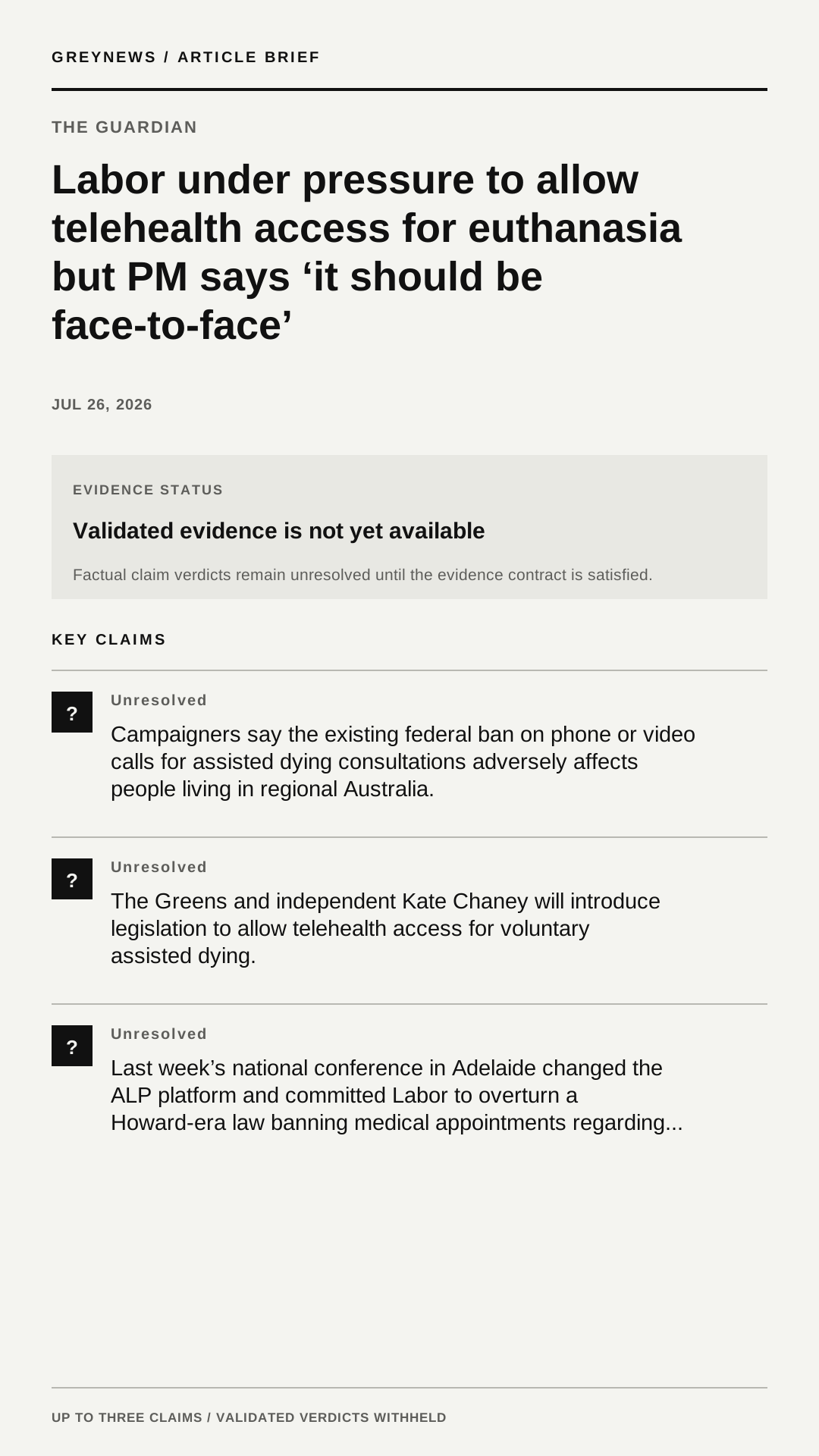
Campaigners say the existing federal ban on phone or video calls for assisted dying consultations adversely affects people living in regional Australia.
The Guardian- Labor faces pressure to amend its national policy platform to allow telehealth for assisted dying.
- The Greens and independent Kate Chaney plan to introduce legislation on the issue.
Plain English
Loaded language removed<p>Campaigners say existing federal ban on phone or video calls for assisted dying consultations adversely affects people living in regional Australia</p><ul><li><p><a href="https://www.theguardian.com/politics/blog/live/2026/jul/26/australia-news-live-politics-pauline-hanson-ed-husic-anthony-albanese-labor-party-conference-bird-flu-ntwnfb">Follow our Australia news live blog for latest…
Emotionally neutral rewrite. Same facts, calmer framing.
What's next
This angle has contested claims
Claims
Campaigners say the existing federal ban on phone or video calls for assisted dying consultations adversely affects people living in regional Australia.
The GuardianThe Greens and independent Kate Chaney will introduce legislation to allow telehealth access for voluntary assisted dying.
The GuardianLast week’s national conference in Adelaide changed the ALP platform and committed Labor to overturn a Howard-era law banning medical appointments regarding euthanasia via telehealth.
The Guardian