
Messi denied dream farewell as abject Argentina lose World Cup final
The News
In a World Cup final held on Sunday, Spain defeated Argentina 1-0. Lionel Messi, who had the opportunity to solidify his legacy as the greatest player of all time, was visibly upset after the loss. The defeat denied Messi a dream farewell to the tournament.
Infographic
The Analysis
Intelligence Brief
Analyzed
Same as the summary above — this brief adds the distinct fields below.
Messi's legacy and 'greatest of all time' debate are social constructs.
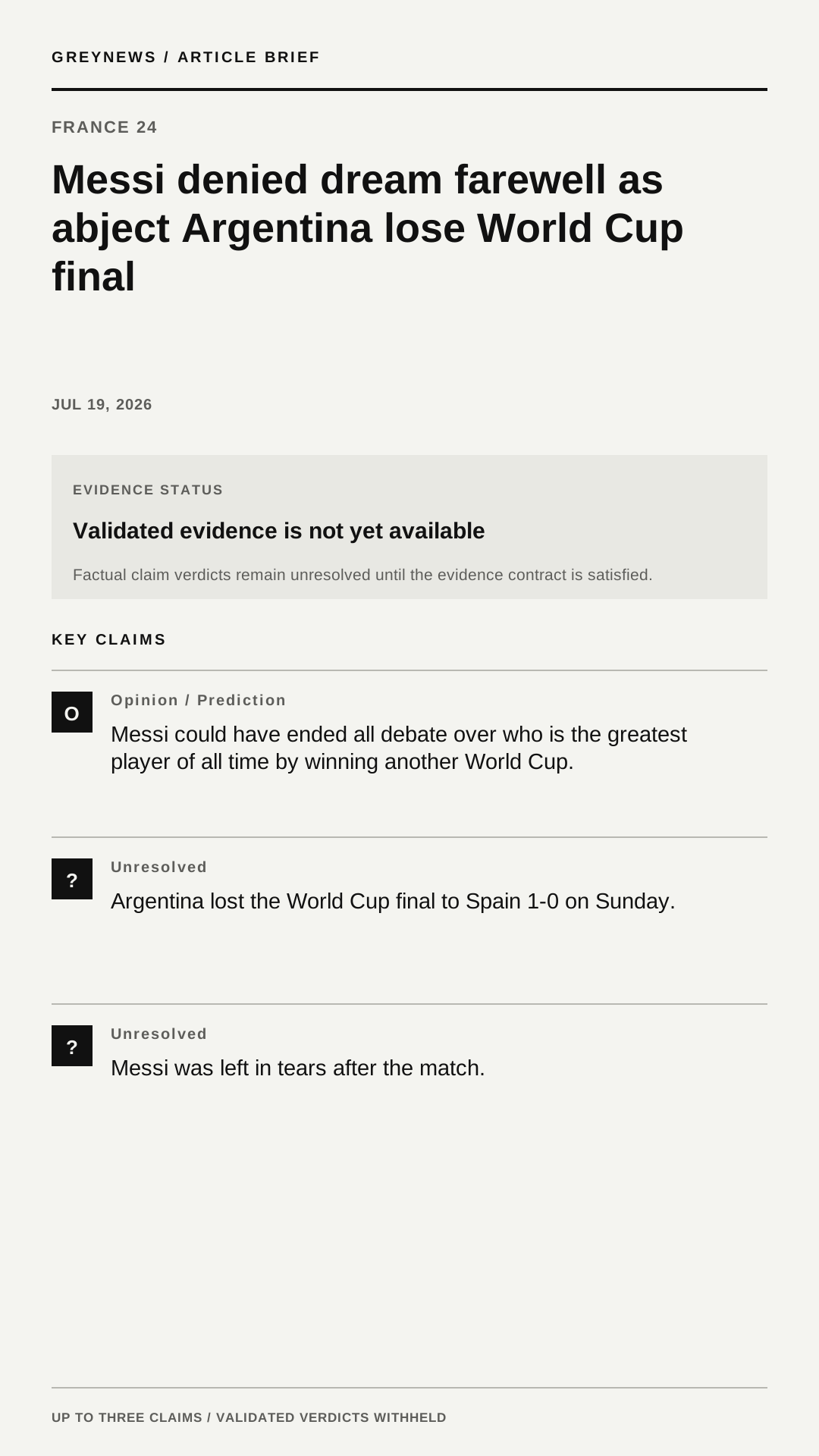
Messi could have ended all debate over who is the greatest player of all time by winning another World Cup.
3 claims still need verification.
No forecast extracted yet.
3 unresolved.
Key findings
Messi could have ended all debate over who is the greatest player of all time by winning another World Cup.
Opinion- Messi's legacy and 'greatest of all time' debate are social constructs.
- The emotional reaction (tears) reflects social investment in sports.
Plain English
Loaded language removedLionel Messi was on the losing side in the World Cup final on Sunday, as Spain won 1-0.
Emotionally neutral rewrite. Same facts, calmer framing.
What's next
This angle has contested claims
Claims
Messi could have ended all debate over who is the greatest player of all time by winning another World Cup.
OpinionArgentina lost the World Cup final to Spain 1-0 on Sunday.
France 24Messi was left in tears after the match.
France 24