
Malaysia cracks down on cybercrime with new rules for digital space: ‘necessary reset’
The News
Malaysia is updating its nearly 30-year-old cybercrime law through the Cybercrimes Bill 2026, which was tabled on June 22 and passed by the lower house on July 1 and the upper house shortly after. The bill grants authorities new powers to combat online fraud, digital impersonation, and AI-generated abuse. Experts caution that the law's effectiveness will depend on enforcement and safeguards against misuse. This overhaul marks a significant shift in Malaysia's digital regulatory landscape.
Infographic
The Analysis
Intelligence Brief
Analyzed
Same as the summary above — this brief adds the distinct fields below.
Replaces nearly 30-year-old cybercrime law.
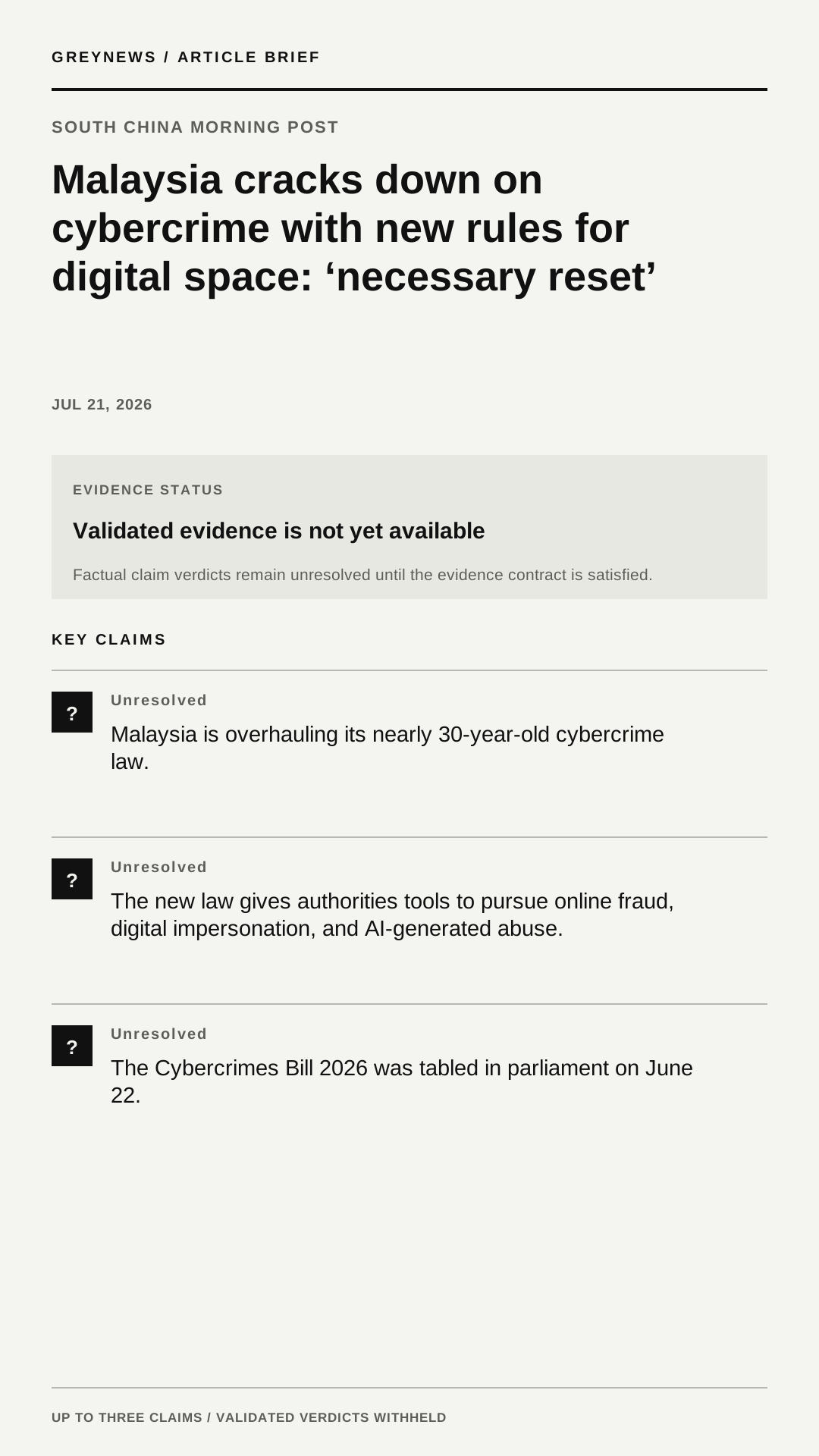
The Cybercrimes Bill 2026 was tabled in parliament on June 22.
5 claims still need verification.
No forecast extracted yet.
5 unresolved.
Key findings
Malaysia is overhauling its nearly 30-year-old cybercrime law.
South China Morning Post- Replaces nearly 30-year-old cybercrime law.
- Provides authorities with long-sought legal tools.
Plain English
Loaded language removedMalaysia is close to overhauling its nearly 30-year-old cybercrime law and giving authorities long-sought tools to pursue online fraud, digital impersonation and AI-generated abuse, but experts say the bill’s impact will depend on whether investigators can enforce it effectively and prevent misuse of its powers.
Emotionally neutral rewrite. Same facts, calmer framing.
What's next
This angle has contested claims
Claims
Malaysia is overhauling its nearly 30-year-old cybercrime law.
South China Morning PostThe new law gives authorities tools to pursue online fraud, digital impersonation, and AI-generated abuse.
South China Morning PostThe Cybercrimes Bill 2026 was tabled in parliament on June 22.
South China Morning PostThe bill passed the Dewan Rakyat on July 1.
South China Morning PostThe Dewan Negara approved the bill.
South China Morning Post