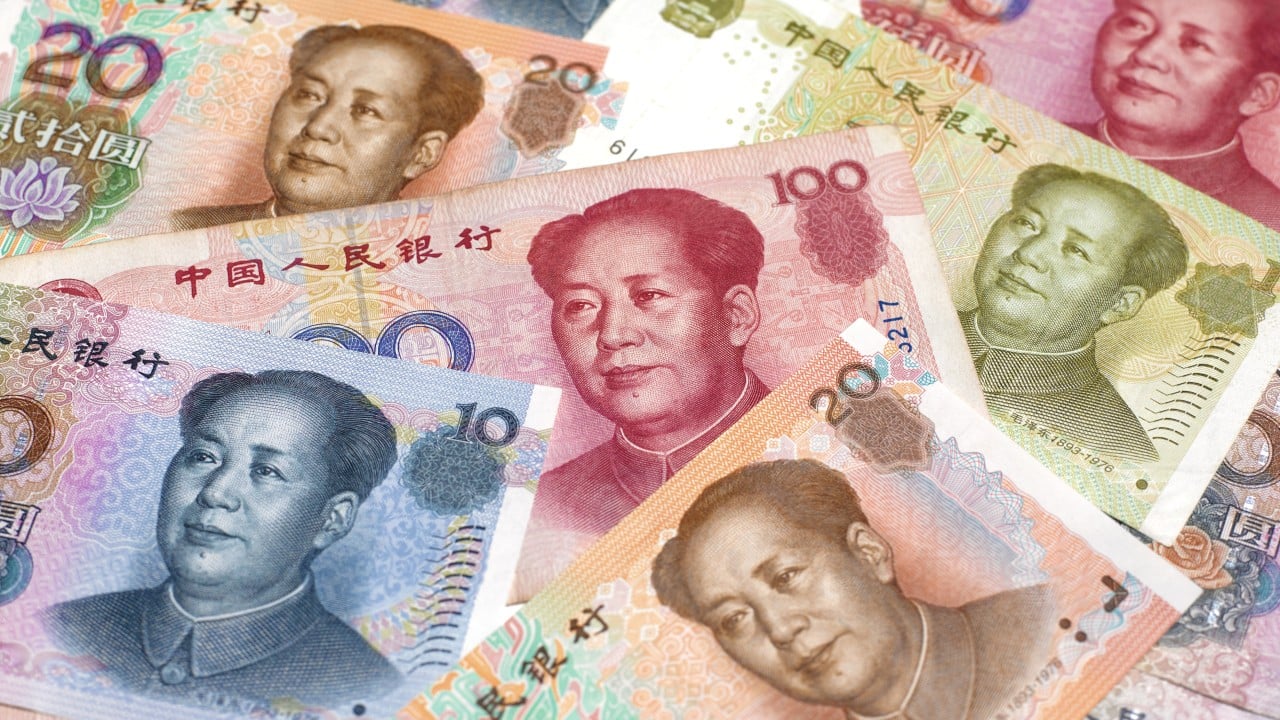
Appetite for yuan assets sees London Clearing House accept dim sum bonds as collateral
The News
The London Clearing House (LCH) has started accepting offshore yuan-denominated Chinese government bonds, known as dim sum bonds, as collateral for margin requirements. This move, seen as a milestone for the internationalization of the yuan, allows investors to use these bonds in LCH's clearing operations. LCH is owned by the London Stock Exchange Group. The decision integrates Chinese debt into global financial pipelines, supporting Beijing's long-term currency goals.
Infographic
No infographic was generated for this story. GreyNews is not leaving this spinning indefinitely.
The Analysis
Intelligence Brief
Analyzed · High confidence (89%)
Same as the summary above — this brief adds the distinct fields below.
LCH now accepts offshore yuan bonds as collateral
The London Clearing House (LCH) has begun accepting offshore yuan-denominated Chinese government bonds as eligible non-cash collateral.
4 claims still need verification.
No forecast extracted yet.
Key findings
The acceptance of dim sum bonds as collateral is a structural milestone in Beijing's push to internationalise the yuan.
Opinion- LCH now accepts offshore yuan bonds as collateral
- Milestone in Beijing's internationalization efforts
Trust Breakdown
Plain English
Loaded language removedThe London Clearing House (LCH) has begun accepting offshore yuan-denominated Chinese government bonds as eligible non-cash collateral, marking a structural milestone in Beijing’s decade-long push to internationalise its currency and integrate its debt into global financial pipelines.
Emotionally neutral rewrite. Same facts, calmer framing.
What's next
This angle has contested claims
Claims
The acceptance of dim sum bonds as collateral is a structural milestone in Beijing's push to internationalise the yuan.
OpinionThe London Clearing House (LCH) has begun accepting offshore yuan-denominated Chinese government bonds as eligible non-cash collateral.
South China Morning PostLCH is owned by the London Stock Exchange Group.
South China Morning PostInvestors can use offshore yuan sovereign bonds (dim sum bonds) to meet margin requirements at LCH.
South China Morning Post