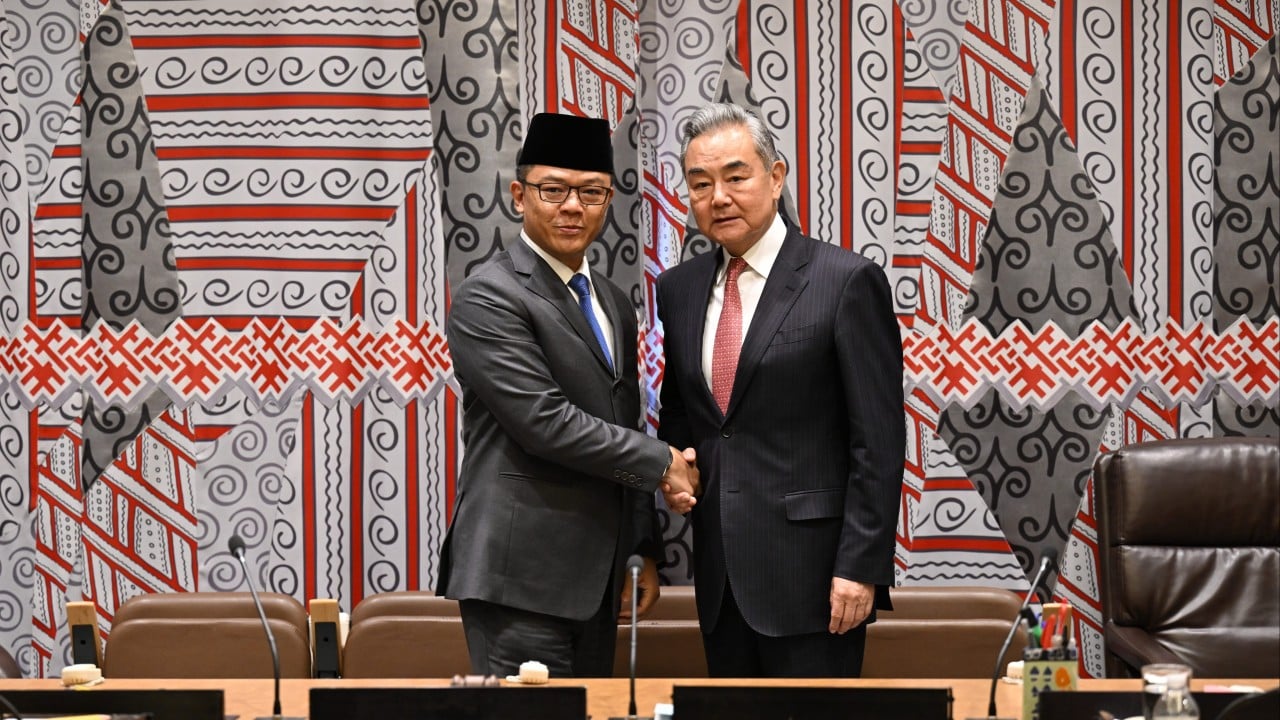
How China and Indonesia can build a truly sturdy partnership
The News
The article discusses the historical context of China-Indonesia relations, highlighting the 1955 Bandung Conference where 29 Asian and African nations met, including India, China, and host Indonesia. It notes that China under Mao and Indonesia under Sukarno were skeptical of the Western colonial order, while India championed the non-aligned movement. The subsequent rise of Suharto in 1966, who was more sympathetic to the US, marked a shift. The article implies the need for a strong partnership between China and Indonesia in the present.
Infographic
The Analysis
Intelligence Brief
Analyzed
The article discusses the historical context of China-Indonesia relations, highlighting the 1955 Bandung Conference where 29 Asian and African nations met, including India, China, and host Indonesia. It notes that China under Mao and Indonesia under Sukarno were skeptical of the Western colonial order, while India championed the non-aligned movement. The subsequent rise of Suharto in 1966, who was more sympathetic to the US, marked a shift. The article implies the need for a strong partnership...
Cold War backdrop shapes the narrative.
Suharto seized power in Indonesia in 1966 and was more US-sympathetic.
6 claims still need verification.
No forecast extracted yet.
6 unresolved.
Key findings
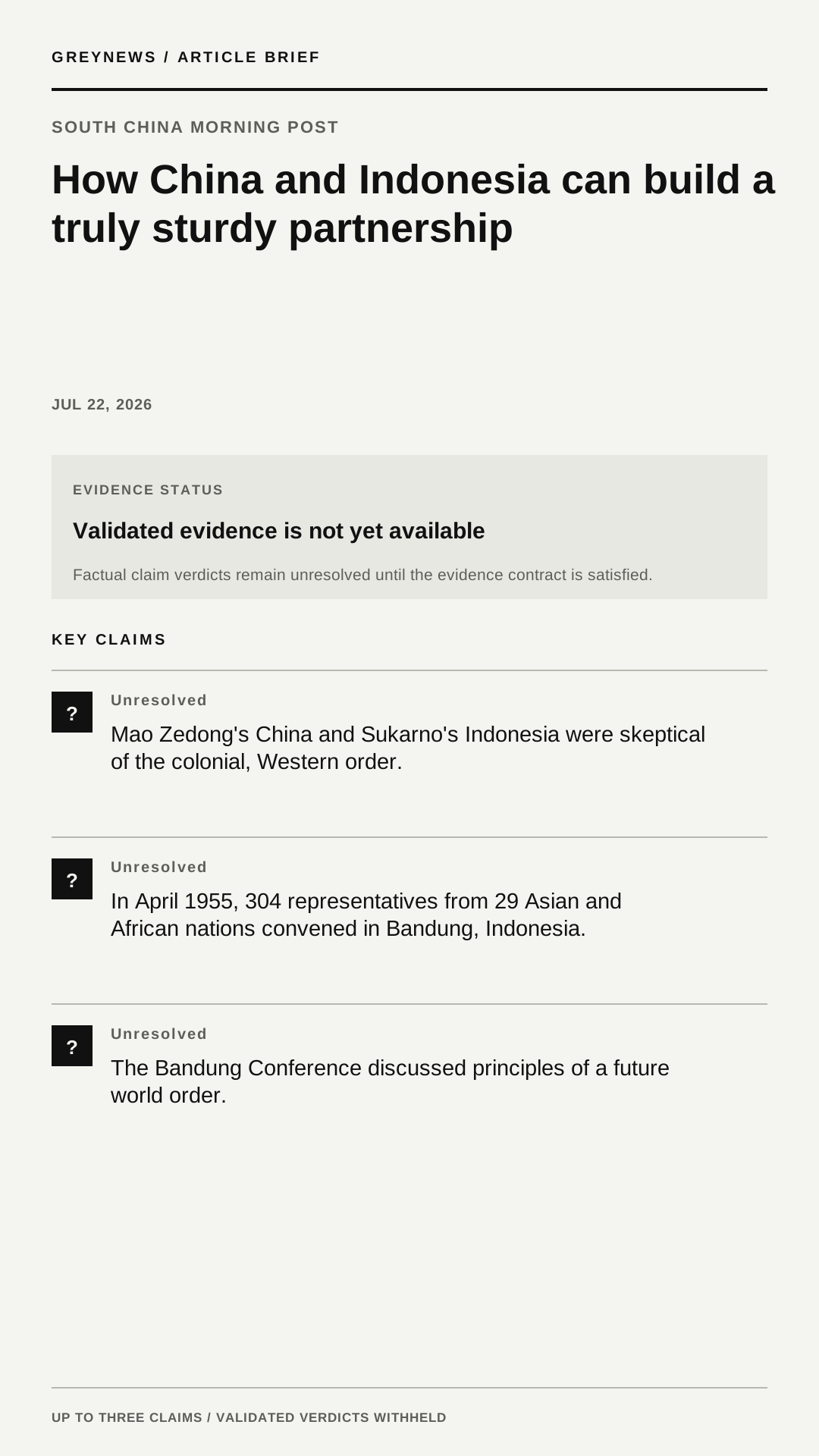
Mao Zedong's China and Sukarno's Indonesia were skeptical of the colonial, Western order.
South China Morning Post- Cold War backdrop shapes the narrative.
- China and Indonesia opposed Western colonial order.
Plain English
Loaded language removedIn April 1955, amid the Cold War, 304 representatives across 29 Asian and African nations convened in Bandung, Indonesia, to discuss the principles of a future world order. Among them were India, China and host Indonesia.
Emotionally neutral rewrite. Same facts, calmer framing.
What's next
This angle has contested claims
Claims
Mao Zedong's China and Sukarno's Indonesia were skeptical of the colonial, Western order.
South China Morning PostIn April 1955, 304 representatives from 29 Asian and African nations convened in Bandung, Indonesia.
South China Morning PostThe Bandung Conference discussed principles of a future world order.
South China Morning PostIndia, China, and Indonesia were among the participants at the Bandung Conference.
South China Morning PostIndia championed the non-aligned movement at the 1961 Belgrade Conference.
South China Morning PostSuharto seized power in Indonesia in 1966 and was more US-sympathetic.
South China Morning Post