China’s EV industry rose with the aid of tax breaks. What happens when they end?
The News
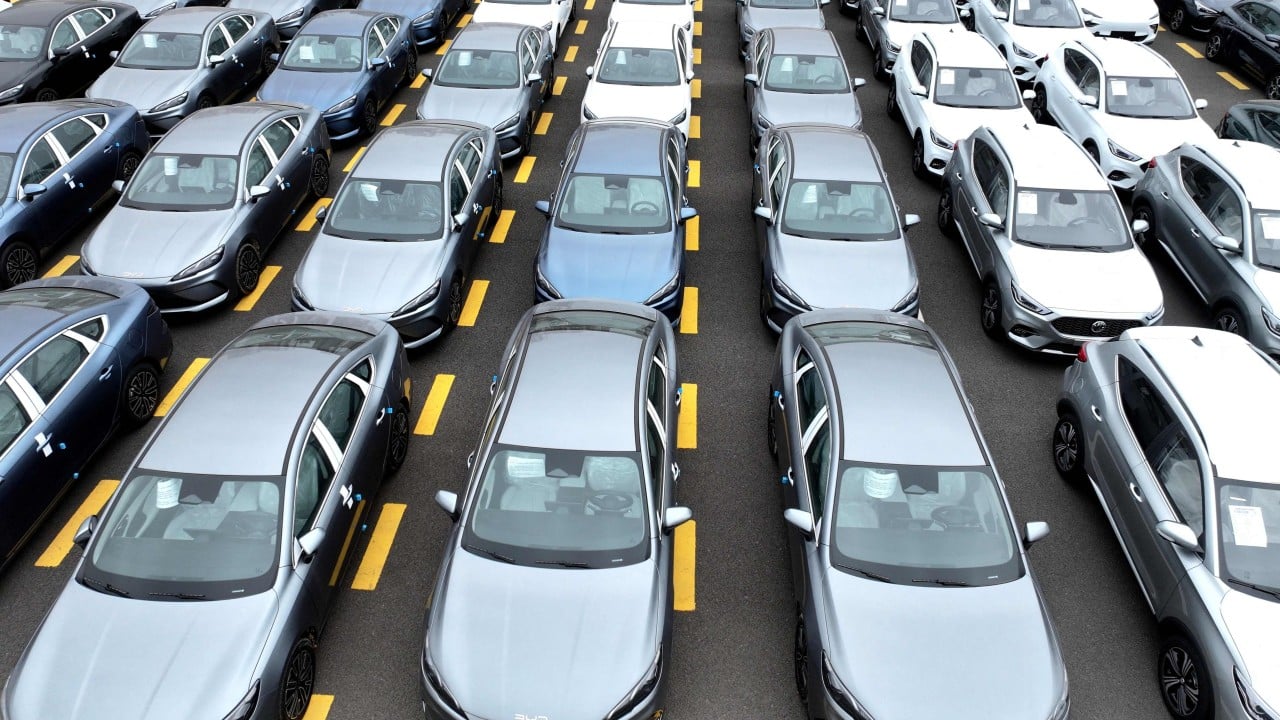
China is ending tax exemptions that previously supported its electric-vehicle (EV) and solar industries. Analysts say the new consumption tax could add about 1,000 yuan to the cost of producing each EV, a modest increase but one that squeezes manufacturers' thin profit margins. This move is part of Beijing's broader efforts to address overcapacity and price wars in these sectors. The tax change may increase financial pressure on carmakers already facing intense competition.
Infographic
The Analysis
Intelligence Brief
Analyzed
Same as the summary above — this brief adds the distinct fields below.
The levy could add about 1,000 yuan ($147) to production cost per EV.
Beijing is stepping up efforts to curb overcapacity and price wars in the EV and solar industries.
4 claims still need verification.
No forecast extracted yet.
4 unresolved.
Key findings
Analysts estimate the levy could add about 1,000 yuan (US$147) to the cost of producing an EV.
South China Morning Post- The levy could add about 1,000 yuan ($147) to production cost per EV.
- It is described as a fresh squeeze on carmakers' razor-thin margins.
Plain English
Loaded language removedAs China is ending tax exemptions that helped fuel the rise of its electric-vehicle (EV) and solar industries, analysts said it could add to the cost of producing an EV and put pressure on manufacturers, as Beijing steps up efforts to curb overcapacity and price wars.
Emotionally neutral rewrite. Same facts, calmer framing.
What's next
This angle has contested claims
Claims
Analysts estimate the levy could add about 1,000 yuan (US$147) to the cost of producing an EV.
South China Morning PostThe cost increase is a modest increase per car but puts pressure on carmakers' already razor-thin margins.
OpinionChina is ending tax exemptions that helped fuel the rise of its electric-vehicle (EV) and solar industries.
South China Morning PostBeijing is stepping up efforts to curb overcapacity and price wars in the EV and solar industries.
South China Morning Post