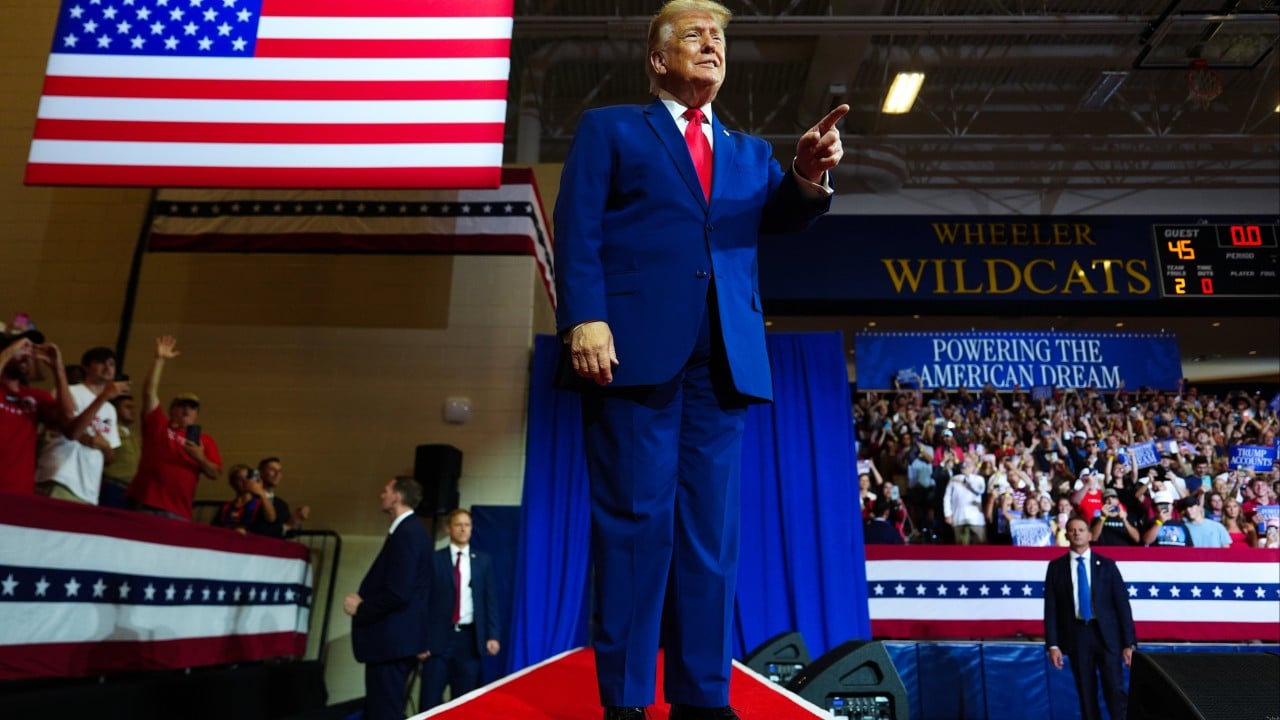
US slaps fresh tariffs on China, 50-plus countries in latest wave
The News
The United States imposed new tariffs ranging from 10 to 12.5 percent on 60 countries, including China, Japan, South Korea, India, and European Union member states. The tariffs, based on a Section 301 investigation into forced labor, were enacted just before a temporary 10 percent blanket levy was set to expire. Washington argued that previous measures were insufficient to prevent forced labor-produced goods from entering supply chains. This escalation could heighten trade tensions globally.
Infographic
The Analysis
Intelligence Brief
Analyzed
Same as the summary above — this brief adds the distinct fields below.
Tariffs range from 10 to 12.5 percent on imports.
The tariffs range from 10 to 12.5 percent.
6 claims still need verification.
No forecast extracted yet.
6 unresolved.
Key findings
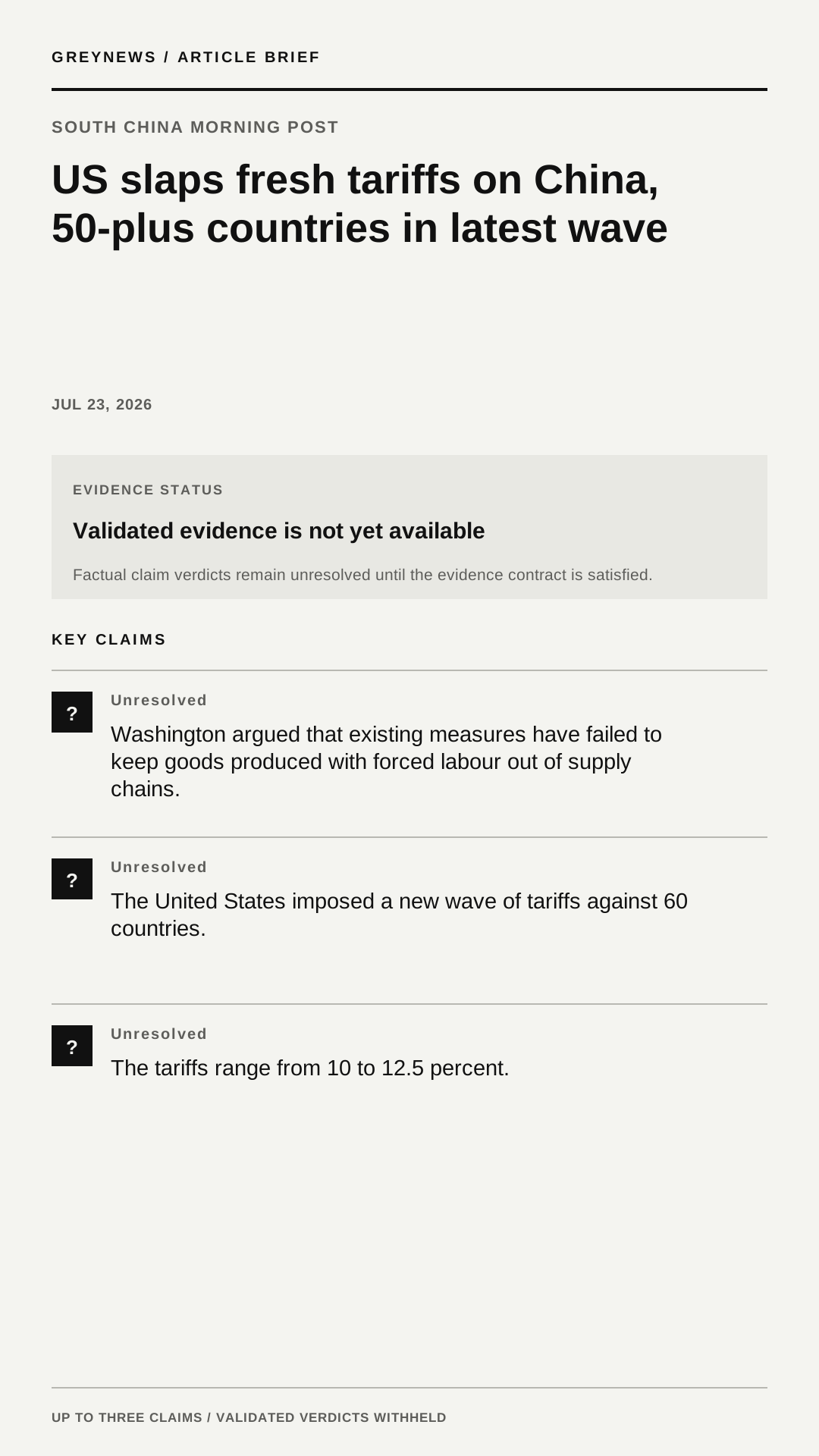
Washington argued that existing measures have failed to keep goods produced with forced labour out of supply chains.
South China Morning Post- Tariffs range from 10 to 12.5 percent on imports.
- Affects 60 countries, including major economies like China and EU.
Plain English
Loaded language removedThe United States imposed late on Thursday new tariffs against 60 countries, including China, Japan, South Korea, India and European Union member states, hours before a temporary 10 per cent blanket levy was due to expire.
Emotionally neutral rewrite. Same facts, calmer framing.
What's next
This angle has contested claims
Claims
Washington argued that existing measures have failed to keep goods produced with forced labour out of supply chains.
South China Morning PostThe United States imposed a new wave of tariffs against 60 countries.
South China Morning PostThe tariffs range from 10 to 12.5 percent.
South China Morning PostThe tariffs are the outcome of a Section 301 investigation into forced labour.
South China Morning PostThe countries affected include China, Japan, South Korea, India, and European Union member states.
South China Morning PostThe tariffs were imposed hours before a temporary 10 per cent blanket levy was due to expire.
South China Morning Post