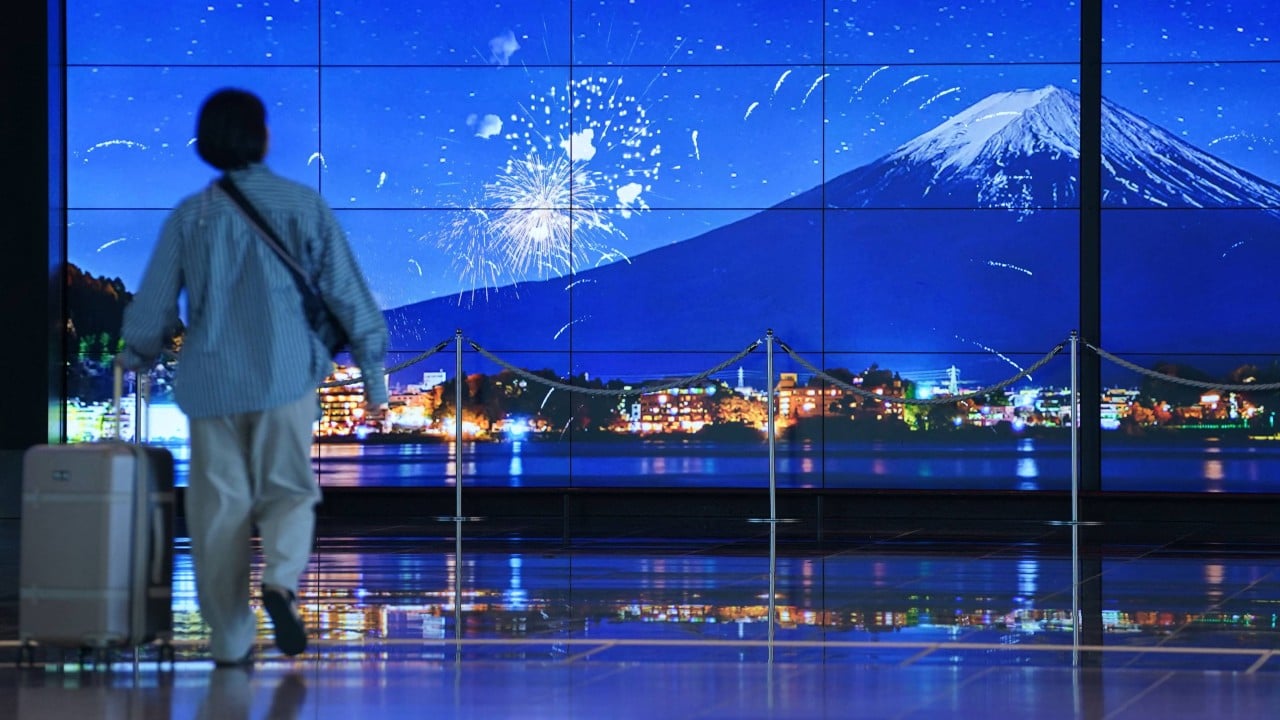
Japan scapegoats foreigners as mountain rescue numbers rise
The News
The article discusses how Japan is increasingly blaming foreigners for a rise in mountain rescues, focusing on Mount Fuji. It opens with a description of underprepared climbers at the fifth station, dressed in inadequate clothing for the high-altitude conditions. Veteran climber Tatsuo Nanai expresses concern about the trend, suggesting that authorities may be scapegoating foreign climbers. The piece highlights tensions between safety concerns and tourism.
Infographic
The Analysis
Intelligence Brief
Analyzed
Same as the summary above — this brief adds the distinct fields below.
Rescue incidents may involve diplomatic coordination and potential criticism from other countries.
Mount Fuji reaches 3,776 meters (12,389 feet) and has sub-zero temperatures even in July.
4 claims still need verification.
No forecast extracted yet.
4 unresolved.
Key findings
Tatsuo Nanai views the scene of underprepared climbers with dread.
South China Morning Post- Rescue incidents may involve diplomatic coordination and potential criticism from other countries.
- Nationalistic framing could affect Japan's image as a welcoming tourist destination.
Plain English
Loaded language removedOn a clear summer morning at Mount Fuji’s fifth-station trailhead, the crowds look more beach ready than alpine prepared with canvas slip-ons, bare legs and lightweight jackets. Above them, Japan’s most famous peak rises to 3,776 metres (12,389 feet) and into sub-zero temperatures, even in July.
Emotionally neutral rewrite. Same facts, calmer framing.
What's next
This angle has contested claims
Claims
Tatsuo Nanai views the scene of underprepared climbers with dread.
South China Morning PostAt Mount Fuji's fifth-station trailhead, climbers are often seen in canvas slip-ons, bare legs, and lightweight jackets.
South China Morning PostMount Fuji reaches 3,776 meters (12,389 feet) and has sub-zero temperatures even in July.
South China Morning PostTatsuo Nanai is a veteran climber and former secretary general of the Fuji-san Club.
South China Morning Post