How China can safeguard visual heritage against Western luxury brand exploitation
The News
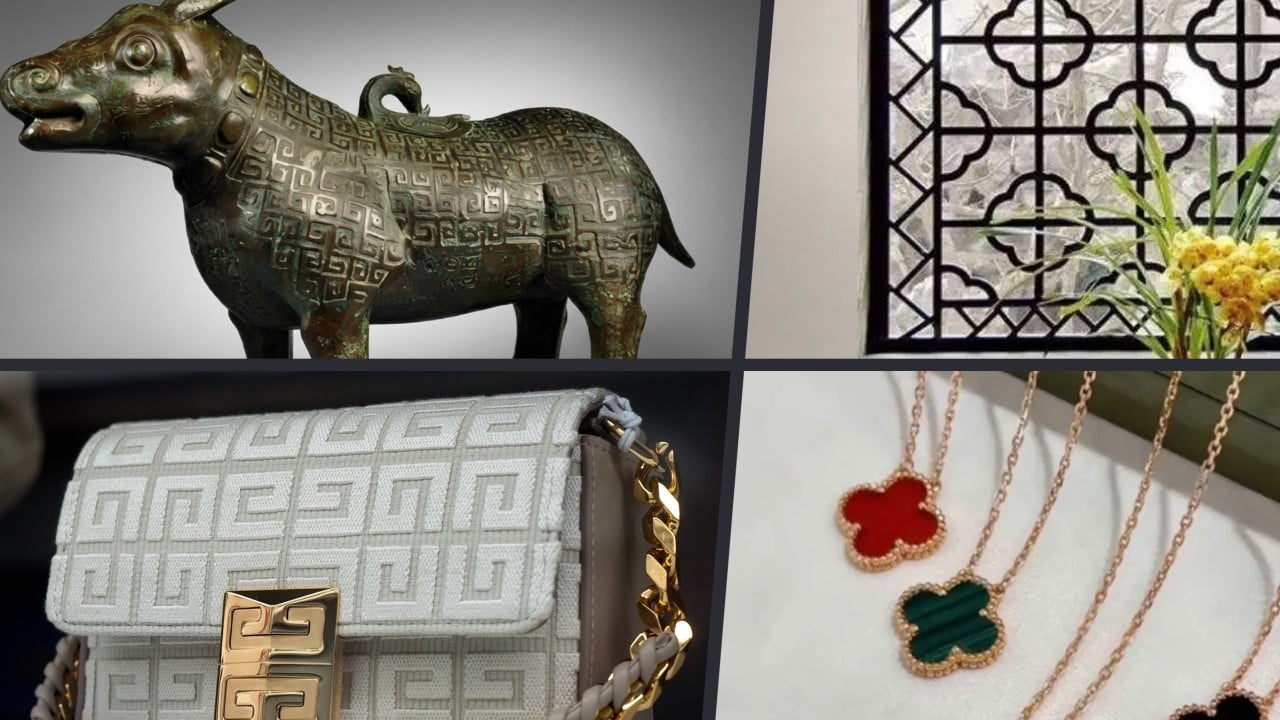
A Suzhou court ruled that Chinese tea chain Molly Tea's four-petal floral pattern infringed on Louis Vuitton's registered trademarks, ordering Molly Tea to pay 10.3 million yuan. The ruling sparked online backlash, with users pointing to similar motifs in Tang dynasty artifacts and Suzhou garden architecture that predate Louis Vuitton's 1854 founding. The case underscores ongoing tensions between Western luxury brand protections and claims of cultural heritage appropriation.
Infographic
The Analysis
Intelligence Brief
Analyzed
Same as the summary above — this brief adds the distinct fields below.
Suzhou court ruling based on trademark registration
A Suzhou court ordered Molly Tea to pay Louis Vuitton 10.3 million yuan for trademark infringement.
4 claims still need verification.
No forecast extracted yet.
4 unresolved.
Key findings
The infringement ruling was based on Molly Tea's four-petal floral pattern.
South China Morning Post- Suzhou court ruling based on trademark registration
- Potential invalidity of LV's trademark if prior art is proven
Plain English
Loaded language removedIn early July, a Suzhou court ordered the Chinese tea chain Molly Tea to pay Louis Vuitton 10.3 million yuan (US$1.5 million) after ruling that its four-petal floral pattern infringed on the French luxury house’s registered trademarks.
Emotionally neutral rewrite. Same facts, calmer framing.
What's next
This angle has contested claims
Claims
The infringement ruling was based on Molly Tea's four-petal floral pattern.
South China Morning PostOnline users argued that similar motifs existed in Tang dynasty textiles, musical instruments, and Suzhou garden architecture predating Louis Vuitton's founding in 1854.
South China Morning PostA Suzhou court ordered Molly Tea to pay Louis Vuitton 10.3 million yuan for trademark infringement.
South China Morning PostLouis Vuitton was founded in 1854.
South China Morning Post