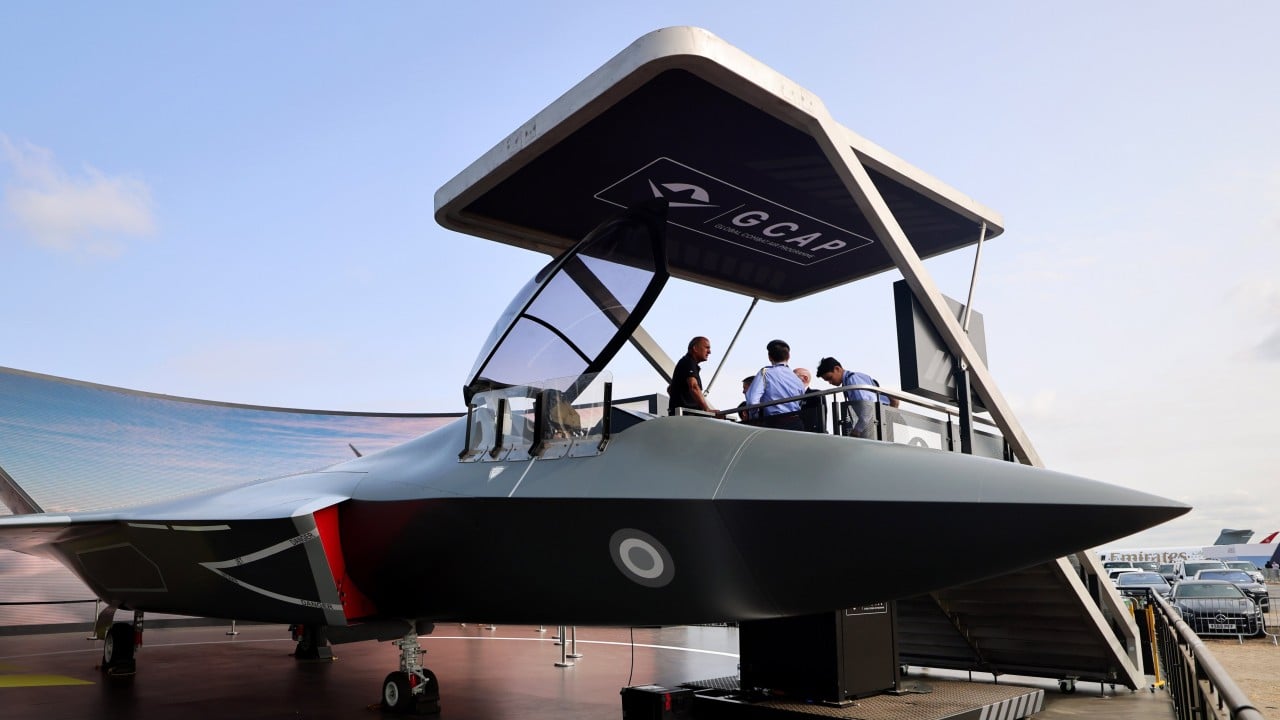
Why Japan’s fighter jet future looks ‘more optimistic’ with Canada’s entry
The News
Canada has decided to join the Global Combat Air Programme (GCAP), a next-generation fighter jet project involving Britain, Italy, and Japan. This decision has alleviated Japan's concerns about its aging F-2 fleet and potential gaps in air defenses. Germany is also reportedly exploring participation. Analysts believe these developments could give the program fresh momentum, which is critical to Japan's future fighter capabilities.
Infographic
The Analysis
Intelligence Brief
Analyzed
Same as the summary above — this brief adds the distinct fields below.
Development of next-generation fighter with advanced capabilities.
GCAP involves Britain, Italy, and Japan.
7 claims still need verification.
No forecast extracted yet.
7 unresolved.
Key findings
Germany is reportedly exploring whether it could join GCAP.
South China Morning Post- Development of next-generation fighter with advanced capabilities.
- Collaboration with UK, Italy, and Canada offers tech synergies.
Plain English
Loaded language removedCanada’s decision to take a role in the next-generation Global Combat Air Programme (GCAP) has eased Japan’s fears over its fighter jet future, while Germany is also reported to be exploring whether it could join the project that also involves Britain and Italy.
Emotionally neutral rewrite. Same facts, calmer framing.
What's next
This angle has contested claims
Claims
Germany is reportedly exploring whether it could join GCAP.
South China Morning PostJapan sees GCAP as critical to replacing its ageing F-2 fleet.
OpinionThe moves involving Canada and potentially Germany could give fresh momentum to GCAP.
PredictionCanada has decided to take a role in the Global Combat Air Programme (GCAP).
South China Morning PostCanada's entry into GCAP has eased Japan's fears over its fighter jet future.
South China Morning PostGCAP is a programme to develop a next-generation fighter jet.
South China Morning PostGCAP involves Britain, Italy, and Japan.
South China Morning Post