
How Tā Moko, the Māori Tattoo Art, Made A Comeback in New Zealand
The News
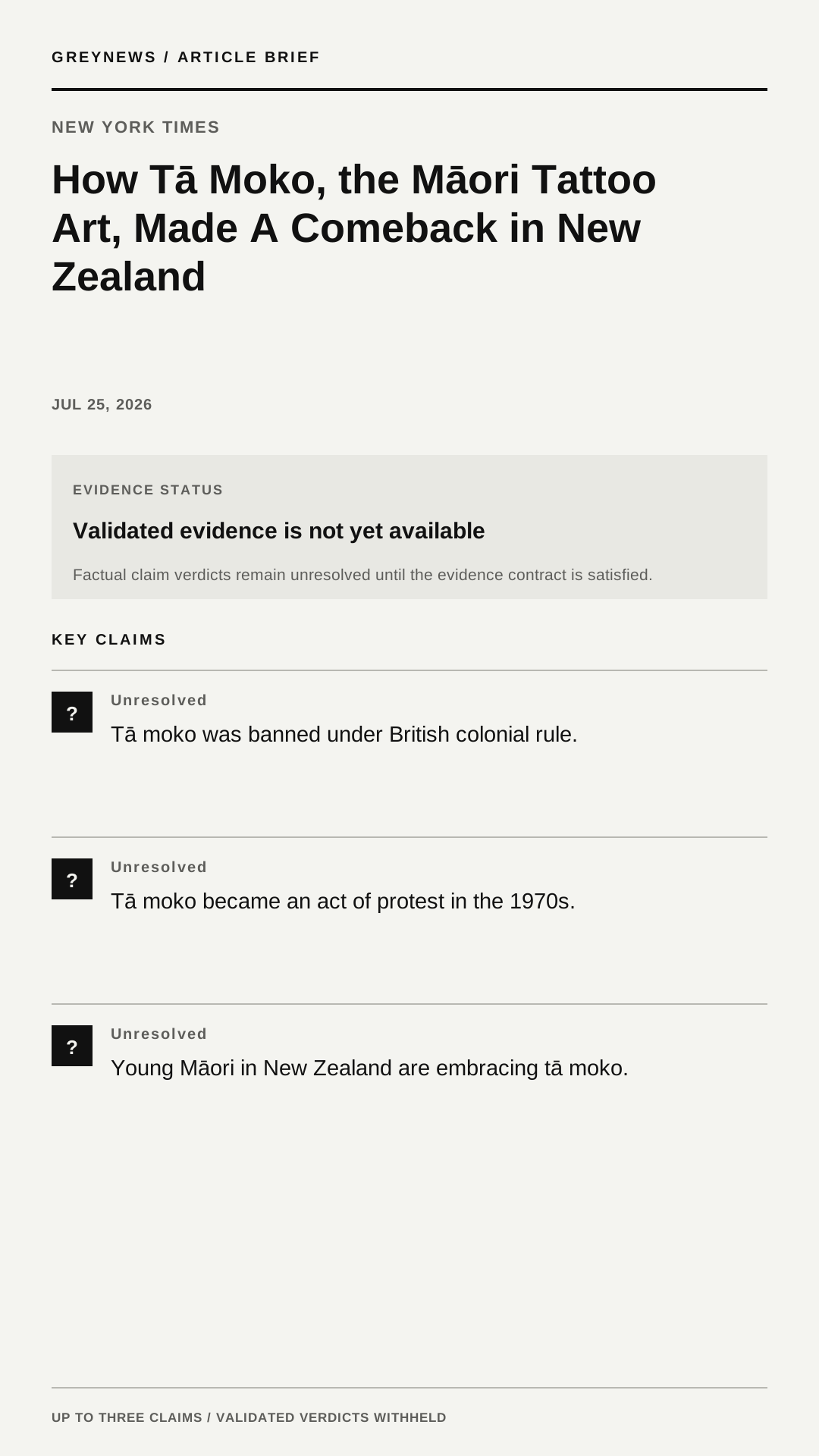
Young Māori in New Zealand are reviving the practice of tā moko, traditional ritual tattoos that were banned during British colonial rule. In the 1970s, tā moko emerged as a form of protest and cultural reclamation. This resurgence highlights the ongoing revitalization of Māori culture and identity after decades of suppression.
Infographic
The Analysis
Intelligence Brief
Analyzed
Same as the summary above — this brief adds the distinct fields below.
Tā moko was banned under British colonial rule.
Tā moko was banned under British colonial rule.
3 claims still need verification.
No forecast extracted yet.
3 unresolved.
Key findings
Tā moko was banned under British colonial rule.
New York Times- Tā moko was banned under British colonial rule.
- It became an act of protest for Māori in the 1970s.
Plain English
Loaded language removedYoung Māori in New Zealand are embracing tā moko, the ritual tattoos that were banned under British colonial rule and became a protest symbol in the 1970s.
Emotionally neutral rewrite. Same facts, calmer framing.
What's next
This angle has contested claims
Claims
Tā moko was banned under British colonial rule.
New York TimesTā moko became an act of protest in the 1970s.
New York TimesYoung Māori in New Zealand are embracing tā moko.
New York Times