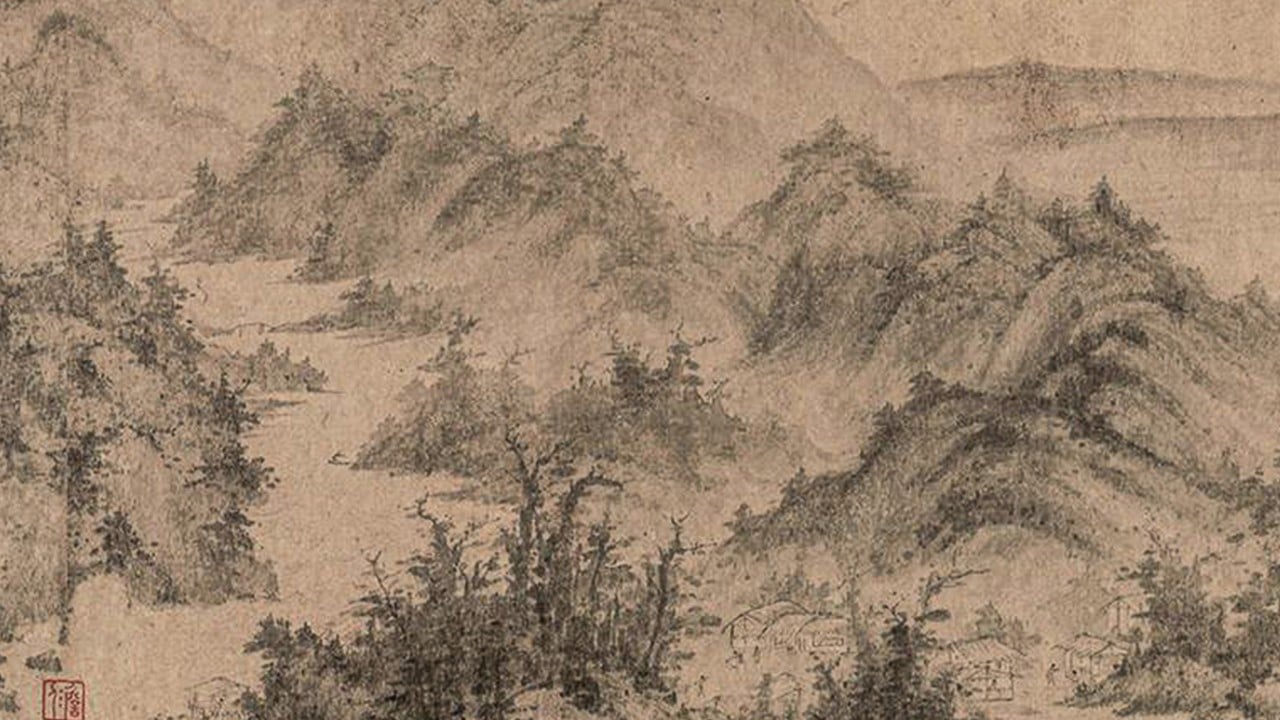
Wo you: Chinese ancient art of travelling without leaving bed to attain ‘peace’, ‘emptiness’
The News
The article discusses the Chinese conceptual practice known as 'wo you' or 'travelling while lying down', an artistic tradition blending Taoism and Confucianism. Originating with the 5th-century painter Zong Bing, who after falling ill painted landscapes from his youth, the practice has persisted for centuries. It is now being adopted by younger generations as a symbol of slow living, emphasizing mental travel and inner peace.
Infographic
The Analysis
Intelligence Brief
Analyzed
Same as the summary above — this brief adds the distinct fields below.
Originates from 5th-century Chinese painter Zong Bing, linked to Taoism and Confucianism.
The term wo you was originally coined by the 5th-century Chinese painter Zong Bing.
6 claims still need verification.
No forecast extracted yet.
6 unresolved.
Key findings
The Chinese aesthetic practice of wo you literally translates to 'travelling while lying down'.
South China Morning Post- Originates from 5th-century Chinese painter Zong Bing, linked to Taoism and Confucianism.
- Currently embraced by younger generations as a symbol of slow living.
Plain English
Loaded language removedThe Chinese aesthetic practice of wo you, which literally translates to “travelling while lying down,” is an artistic tradition that merges Taoism and Confucianism, enduring for centuries and now embraced by younger generations as a symbol of slow living. The term was originally coined by the 5th-century Chinese painter Zong Bing.
Emotionally neutral rewrite. Same facts, calmer framing.
What's next
This angle has contested claims
Claims
The Chinese aesthetic practice of wo you literally translates to 'travelling while lying down'.
South China Morning PostWo you is embraced by younger generations as a symbol of slow living.
OpinionWo you is an artistic tradition that merges Taoism and Confucianism.
South China Morning PostThe term wo you was originally coined by the 5th-century Chinese painter Zong Bing.
South China Morning PostZong Bing had a love for travel in his youth but fell ill and was forced into seclusion.
South China Morning PostZong Bing painted landscapes he had visited to preserve them.
South China Morning Post