How America’s 250-year China dream became its greatest strategic challenge
The News
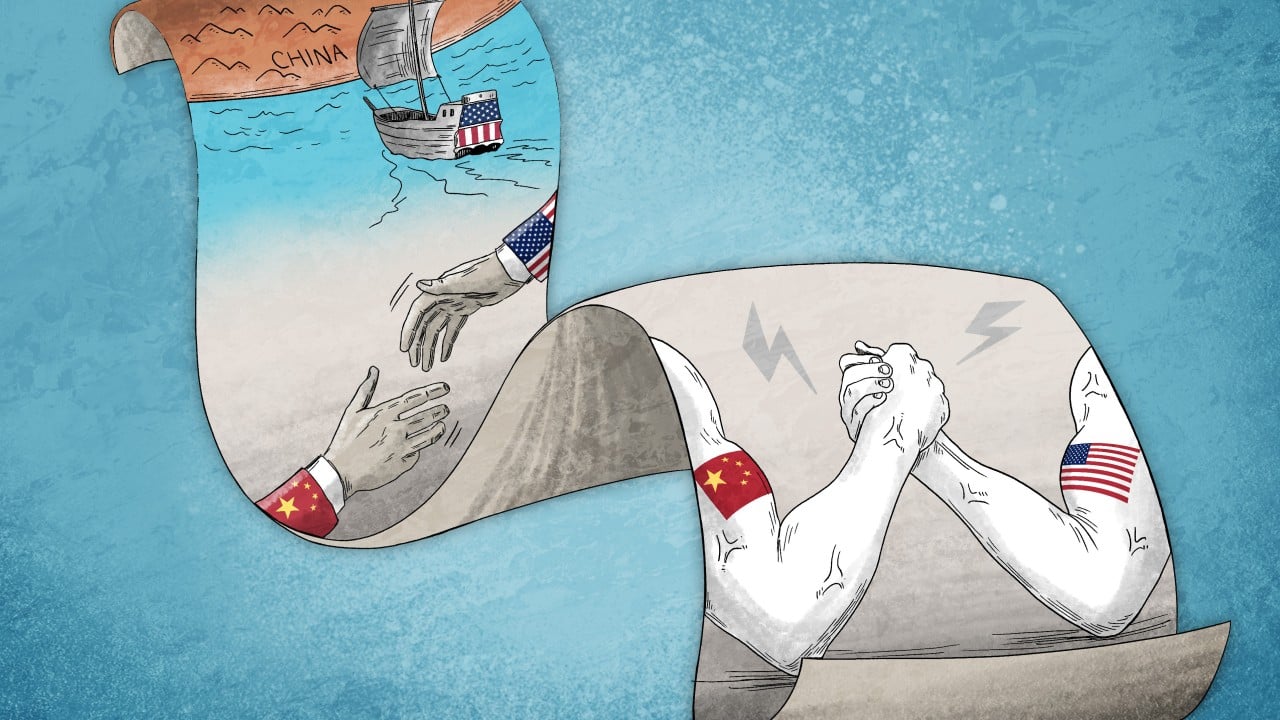
The article begins by describing the departure of the Empress of China from New York in 1784, marking the first American voyage to China during the Qing dynasty. This historical event highlights early U.S.-China trade relations, set against the backdrop of the young American republic. The article suggests that this initial commercial engagement eventually evolved into a major strategic challenge for the United States.
Infographic
The Analysis
Intelligence Brief
Analyzed
Same as the summary above — this brief adds the distinct fields below.
The Empress of China was originally a privateer, converted for trade, indicating the shift from war to commerce.
China was then ruled by the Qing dynasty.
5 claims still need verification.
No forecast extracted yet.
5 unresolved.
Key findings
In February 1784, the Empress of China sailed from New York harbor bound for China.
South China Morning Post- The Empress of China was originally a privateer, converted for trade, indicating the shift from war to commerce.
- Canton was the only port open to Western maritime trade, reflecting economic restrictions.
Plain English
Loaded language removedOne morning in February 1784, a converted privateer called the Empress of China sailed out of New York harbour. It was bound for a country almost no one aboard had ever seen – China, then ruled by the Qing dynasty. Six months later, it dropped anchor at Canton, the only port where the Qing government allowed Western maritime trade.
Emotionally neutral rewrite. Same facts, calmer framing.
What's next
This angle has contested claims
Claims
In February 1784, the Empress of China sailed from New York harbor bound for China.
South China Morning PostThe Empress of China was a converted privateer.
South China Morning PostChina was then ruled by the Qing dynasty.
South China Morning PostThe Empress of China dropped anchor at Canton, the only port where the Qing government allowed Western maritime trade.
South China Morning PostThe Treaty of Paris recognizing American independence had been signed less than a year before the voyage.
South China Morning Post