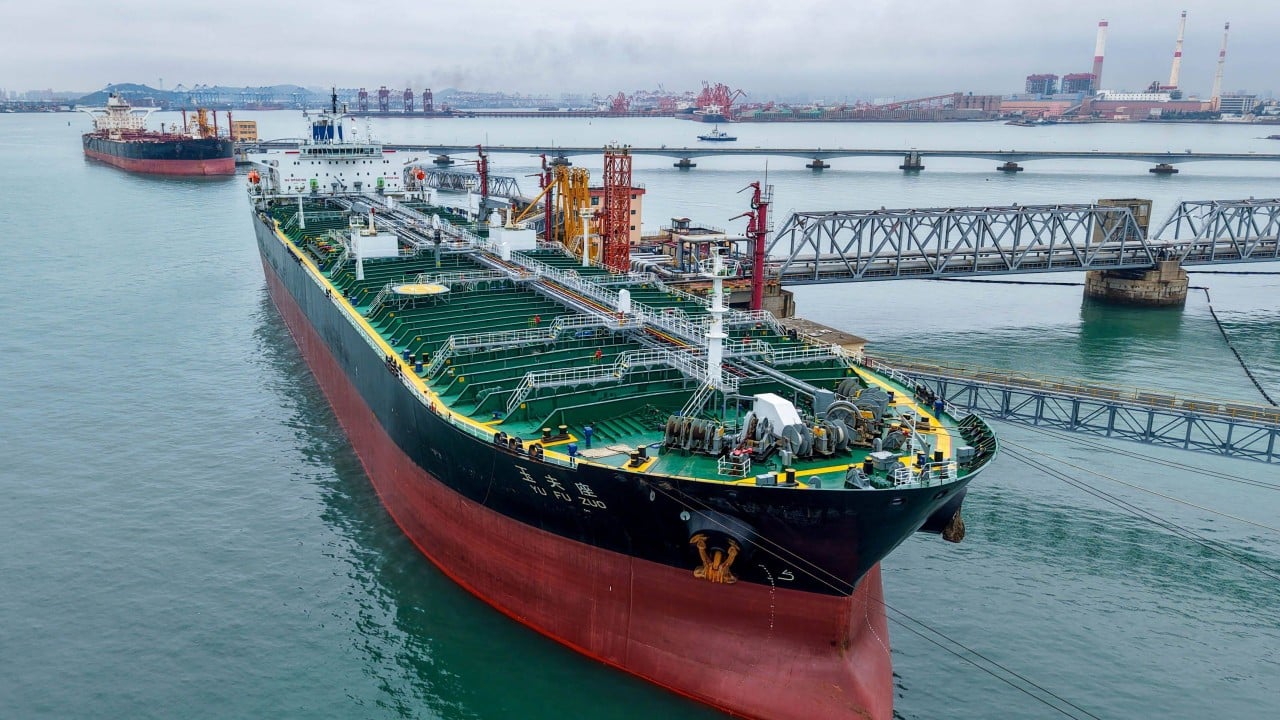
China won’t waste its reserves to cushion oil price impact of Iran war
The News
The article reports that oil prices are expected to rise again due to renewed US attacks on Iran, which have closed the Strait of Hormuz. With US strategic petroleum reserves at a 40-year low, America may struggle to keep oil prices below $100 per barrel. Analysts warn that sustained prices above that level could lead to inflation, reduced consumption, and recession. Attention is now turning to China and whether it will use its reserves to cushion the impact.
Infographic
The Analysis
Intelligence Brief
Analyzed
Same as the summary above — this brief adds the distinct fields below.
Oil prices expected to rise above US$100 per barrel.
US strategic petroleum reserves are at their lowest in over 40 years.
6 claims still need verification.
No forecast extracted yet.
6 unresolved.
Key findings
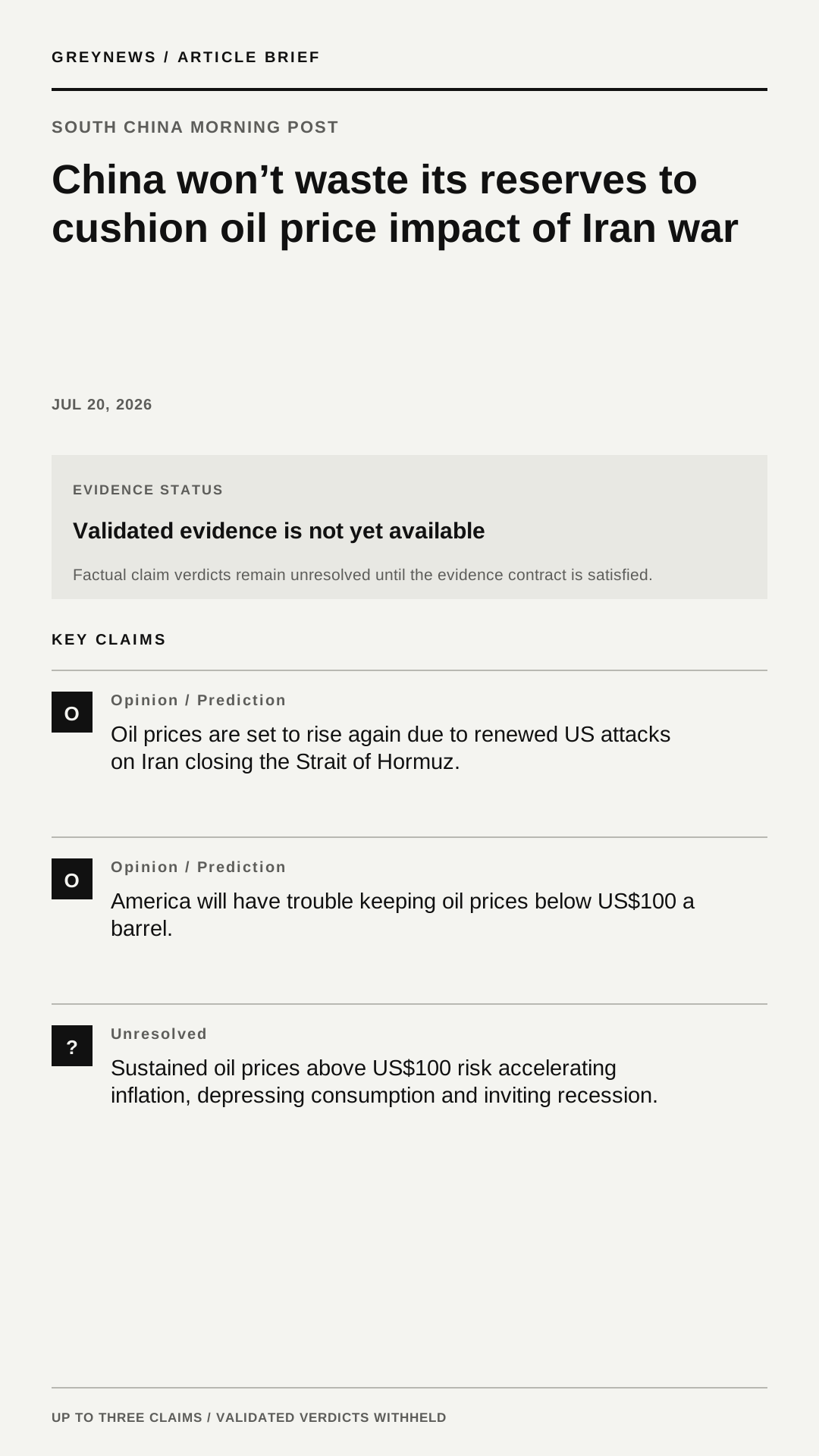
Oil prices are set to rise again due to renewed US attacks on Iran closing the Strait of Hormuz.
Prediction- Oil prices expected to rise above US$100 per barrel.
- Sustained high prices could accelerate inflation and depress consumption.
Plain English
Loaded language removedOil prices are set to rise once more as renewed US attacks on Iran leave the Strait of Hormuz, a major artery of oil trade, closed again. With US strategic petroleum reserves at their lowest in over 40 years, America will have trouble keeping oil prices below US$100 a barrel, as it has mostly done in the war so far.
Emotionally neutral rewrite. Same facts, calmer framing.
What's next
This angle has contested claims
Claims
Oil prices are set to rise again due to renewed US attacks on Iran closing the Strait of Hormuz.
PredictionAmerica will have trouble keeping oil prices below US$100 a barrel.
PredictionSustained oil prices above US$100 risk accelerating inflation, depressing consumption and inviting recession.
South China Morning PostAnalysts have turned their attention to China's oil reserves.
South China Morning PostUS strategic petroleum reserves are at their lowest in over 40 years.
South China Morning PostAmerica has mostly kept oil prices below US$100 a barrel in the war so far.
South China Morning Post