China’s rare earth reserves could be much larger than reported: leading geologist
The News
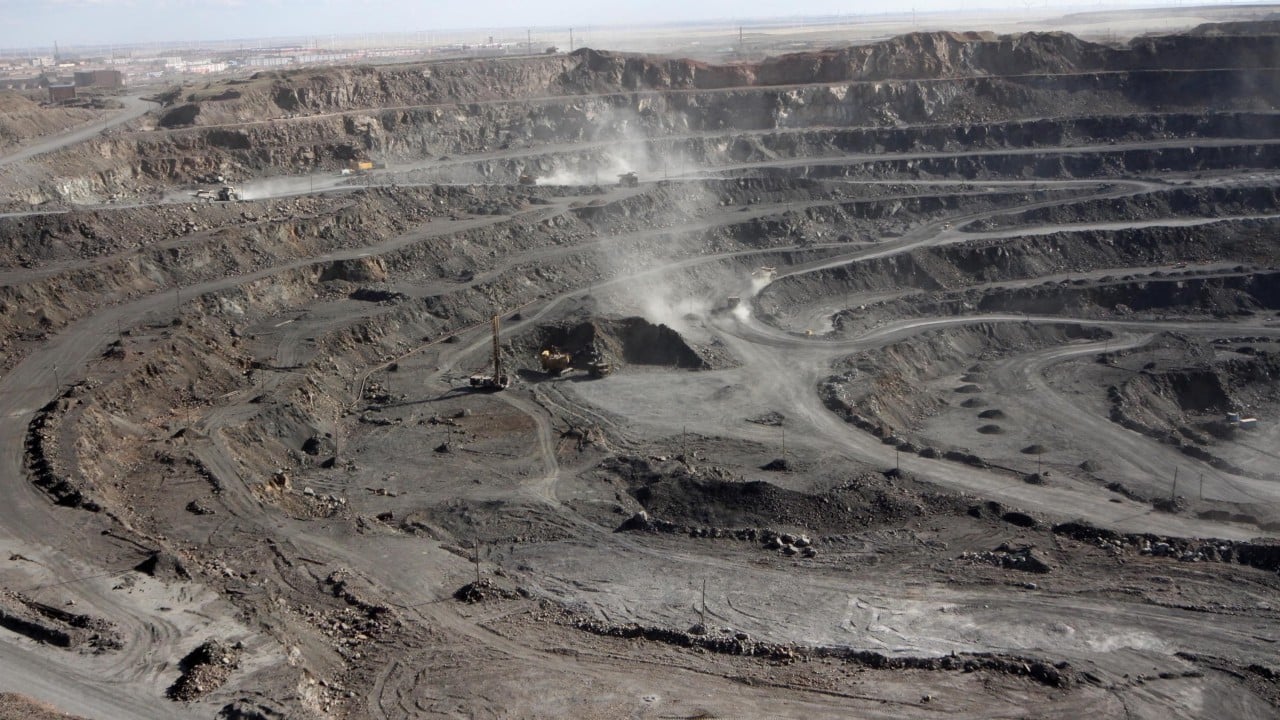
A leading Chinese geologist, Yang Li of Peking University, suggests that the Bayan Obo rare earth mine in Inner Mongolia may contain significantly larger reserves than the currently reported 100 million tonnes. The mine is considered the world's largest known rare earth deposit and has been the backbone of China's rare earth industry. If the reserves are larger than reported, it could affect global rare earth supply dynamics.
Infographic
The Analysis
Intelligence Brief
Analyzed
Same as the summary above — this brief adds the distinct fields below.
Current reserves are 100 million tonnes at Bayan Obo
The Bayan Obo mine currently has reported reserves of 100 million tonnes of rare earth.
5 claims still need verification.
No forecast extracted yet.
5 unresolved.
Key findings
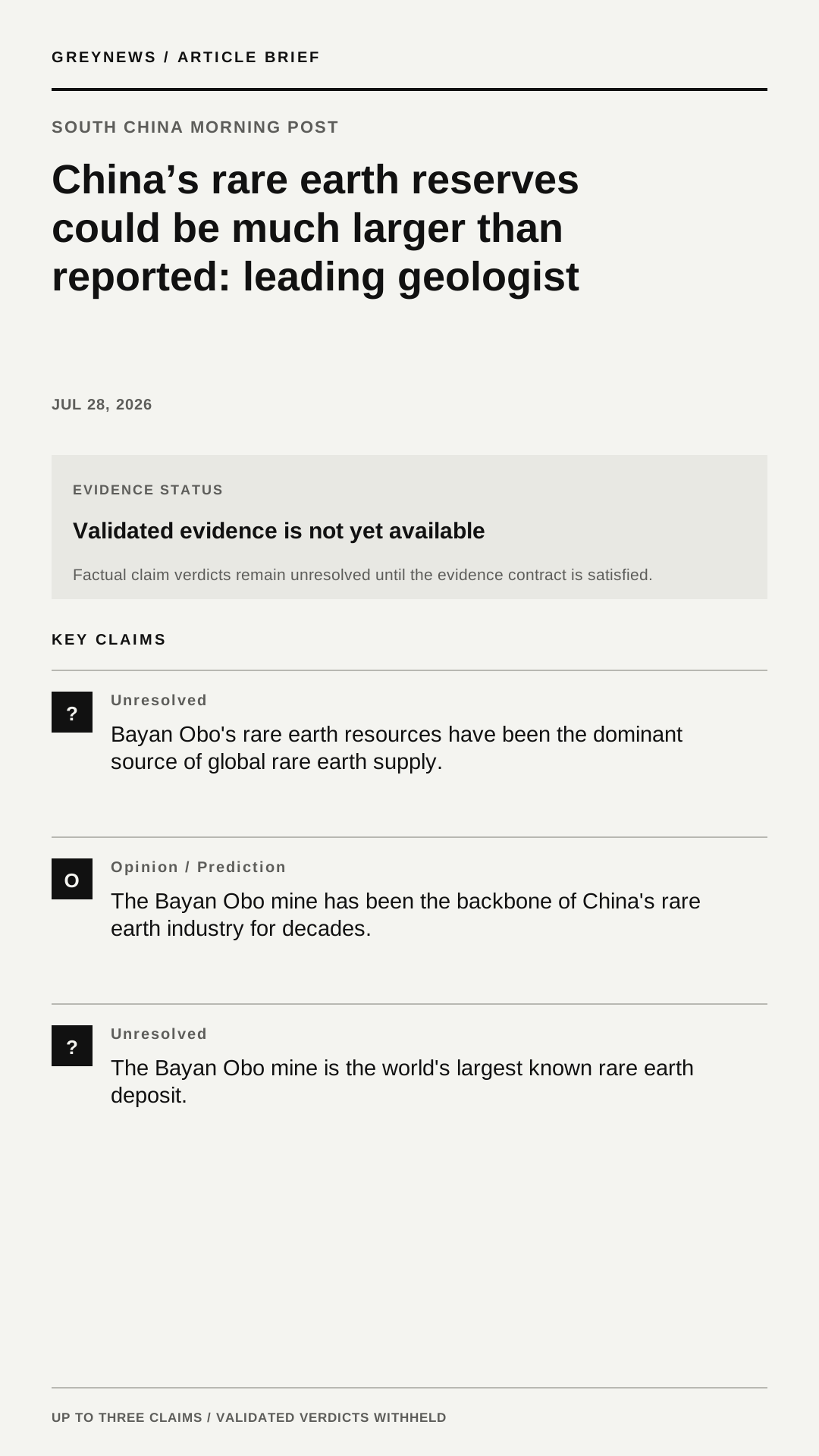
Bayan Obo's rare earth resources have been the dominant source of global rare earth supply.
South China Morning Post- Current reserves are 100 million tonnes at Bayan Obo
- Potential for significantly larger reserves
Plain English
Loaded language removedThe world’s largest known rare earth deposit in northern China could contain far more resources underground than currently reported, according to a leading Chinese geologist. Containing 100 million tonnes of rare earth reserves, the Bayan Obo mine in the Inner Mongolia autonomous region has served as the backbone of China’s rare earth industry for decades.
Emotionally neutral rewrite. Same facts, calmer framing.
What's next
This angle has contested claims
Claims
Bayan Obo's rare earth resources have been the dominant source of global rare earth supply.
South China Morning PostThe Bayan Obo mine has been the backbone of China's rare earth industry for decades.
OpinionThe Bayan Obo mine is the world's largest known rare earth deposit.
South China Morning PostThe Bayan Obo mine currently has reported reserves of 100 million tonnes of rare earth.
South China Morning PostYang Li is a geologist at Peking University.
South China Morning Post