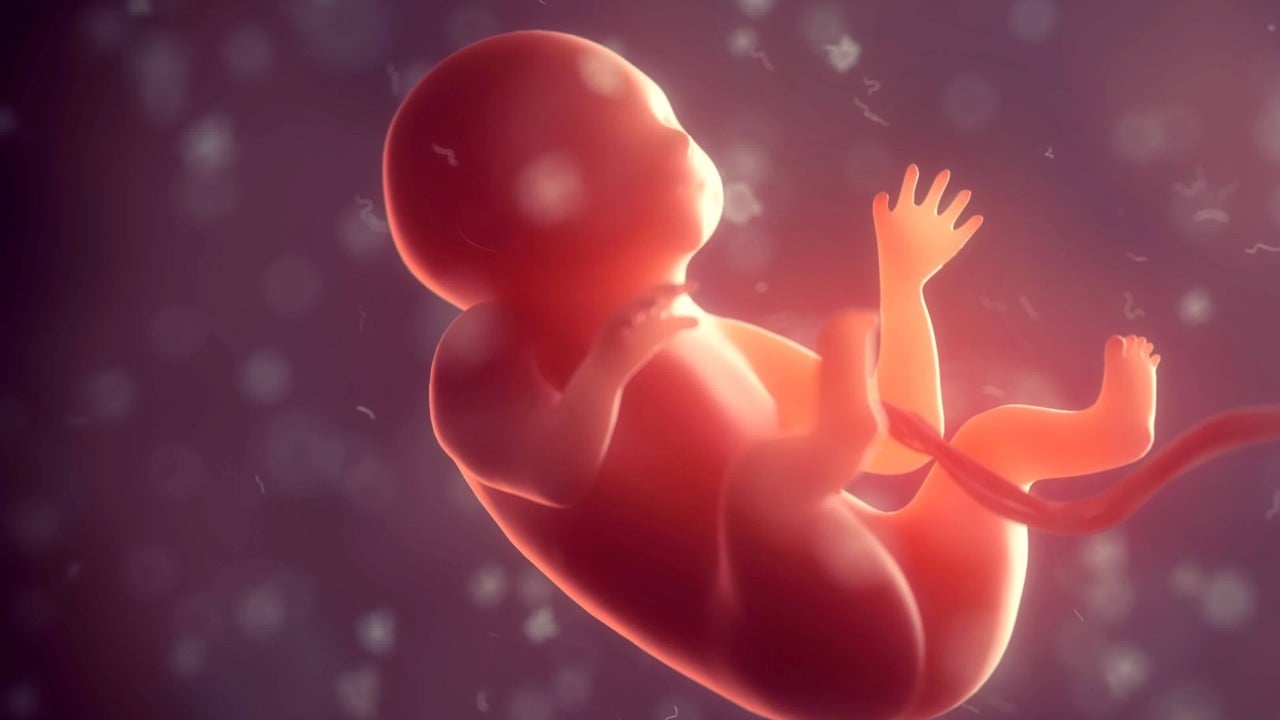
Chinese scientists have bad news on having babies in space. But there is a silver lining
The News
Chinese scientists conducted experiments on human reproductive cells in space using two Tianzhou cargo spacecraft missions, studying their differentiation. The results suggest a negative outlook for human reproduction in space, though the article hints at a possible silver lining not detailed in the excerpt. This research is significant because it addresses a critical challenge for long-term space colonization: the ability to reproduce beyond Earth.
Infographic
The Analysis
Intelligence Brief
Analyzed · High confidence (84%)
Same as the summary above — this brief adds the distinct fields below.
Studied the differentiation of human reproductive cells in space.
Chinese scientists used two Tianzhou cargo spacecraft missions to culture human reproductive cells in space.
5 claims still need verification.
No forecast extracted yet.
Key findings
The outlook for human reproduction in space is not very positive according to the scientists.
Opinion- Studied the differentiation of human reproductive cells in space.
- Used two Tianzhou cargo spacecraft missions for the experiment.
Trust Breakdown
Plain English
Loaded language removedIf the future of humanity lies in the vast expanse of space, could humans actually perpetuate the species beyond Earth? As a team of Chinese scientists has discovered – the outlook is not very positive. The researchers used two of China’s Tianzhou cargo spacecraft missions to culture and study the differentiation of human reproductive cells in space.
Emotionally neutral rewrite. Same facts, calmer framing.
What's next
This angle has contested claims
Claims
The outlook for human reproduction in space is not very positive according to the scientists.
OpinionA team of Chinese scientists discovered that the outlook for human reproduction in space is not positive.
OpinionThe article raises the question of whether humans can perpetuate the species beyond Earth, implying potential future space colonization.
PredictionChinese scientists used two Tianzhou cargo spacecraft missions to culture human reproductive cells in space.
South China Morning PostThe study focused on the differentiation of human reproductive cells in space.
South China Morning Post