
Doctors question evidence behind Pentagon plan for testosterone screening
The News
US Defense Secretary Pete Hegseth announced annual testosterone-deficiency screening for service members aged 30 and older, citing military readiness. The policy applies to active-duty and reserve personnel. Many medical professionals express concerns about the screening, though the full nature of their warnings is not detailed in the snippet.
Infographic
The Analysis
Intelligence Brief
Analyzed
Same as the summary above — this brief adds the distinct fields below.
Medical guidelines do not support routine screening
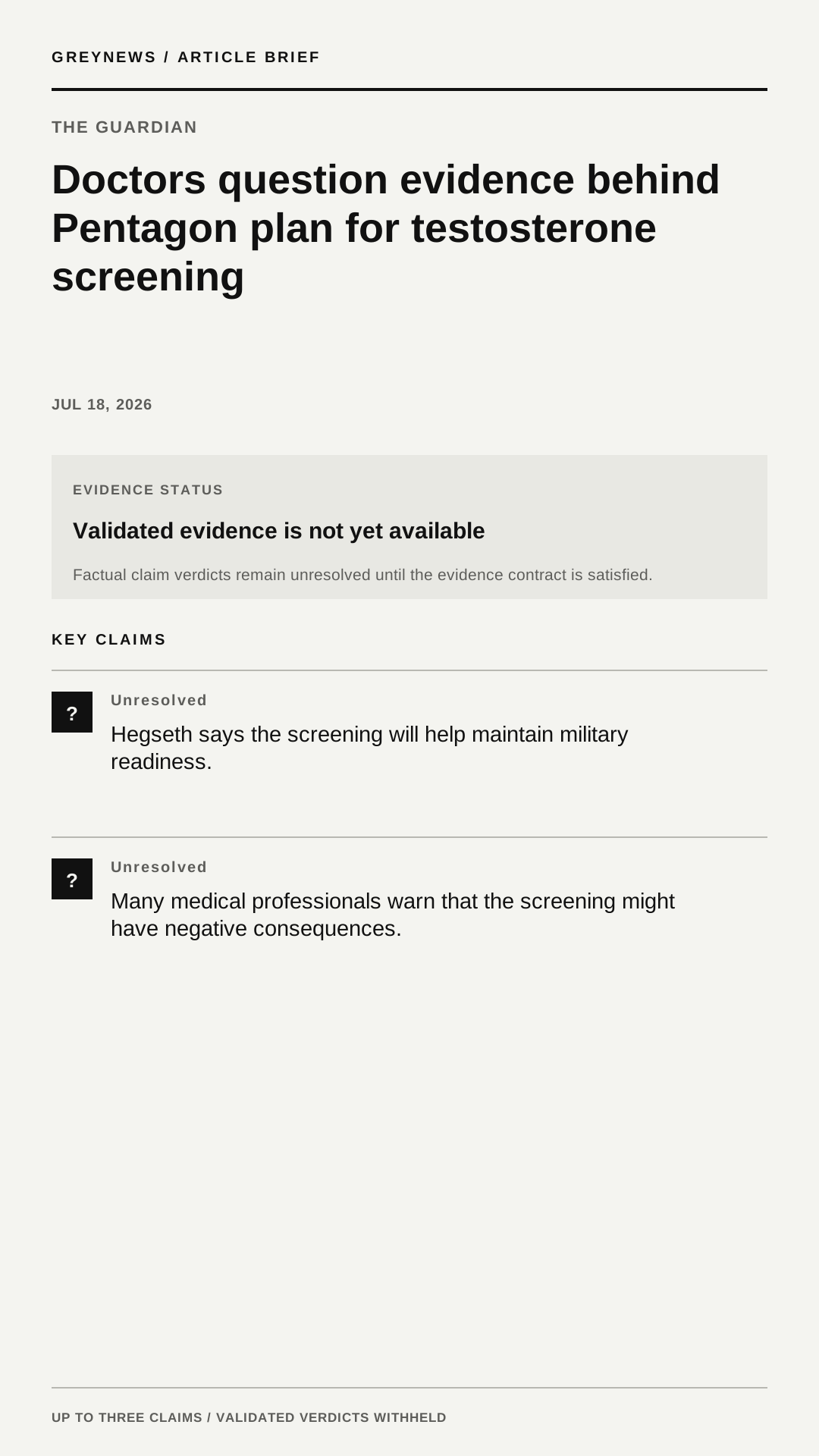
Hegseth says the screening will help maintain military readiness.
2 claims still need verification.
No forecast extracted yet.
2 unresolved.
Key findings
Hegseth says the screening will help maintain military readiness.
The Guardian- Medical guidelines do not support routine screening
- Limited evidence correlating low testosterone with readiness
Plain English
Loaded language removed<p>Pete Hegseth announced that soldiers aged 30 and older in the US military will be screened for low testosterone </p><p>The US defense secretary, Pete Hegseth, this week ordered annual testosterone-deficiency screening for active-duty and reserve service members aged 30 and older, which he says will help to maintain military readiness.</p><p>But many medical professionals warn it might do…
Emotionally neutral rewrite. Same facts, calmer framing.
What's next
This angle has contested claims
Claims
Hegseth says the screening will help maintain military readiness.
The GuardianMany medical professionals warn that the screening might have negative consequences.
The Guardian