Global investors pivot from access to scale in yuan operations, anchored by Hong Kong
The News
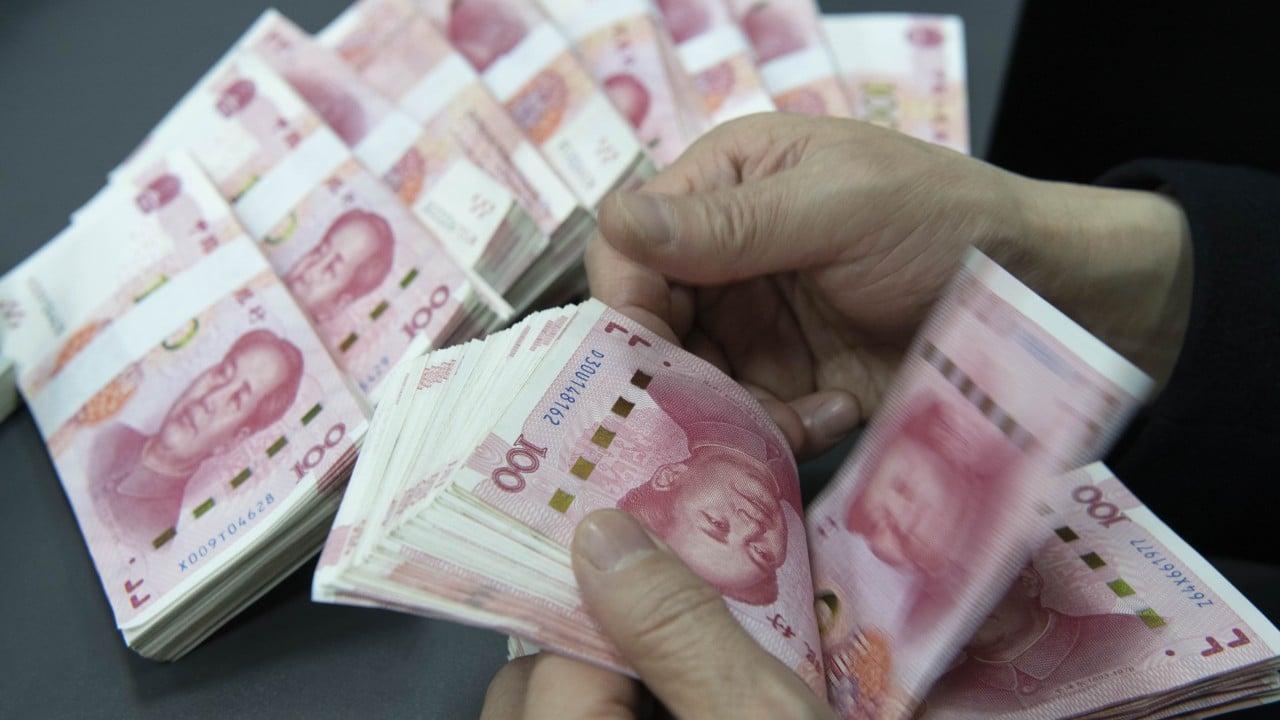
Global institutional investors are shifting their focus from basic market entry to scaling up their yuan operations, with offshore hubs like Hong Kong playing a central role. This is based on an HSBC survey of over 120 investors managing $32 trillion in assets across 12 Asia-Pacific markets. The survey found that 63% of respondents prefer offshore yuan markets for currency transactions. The shift underscores the growing internationalization of the yuan and Hong Kong's importance as a financial hub.
Infographic
The Analysis
Intelligence Brief
Analyzed · High confidence (81%)
Global institutional investors are shifting their focus from basic market entry to scaling up their yuan operations, with offshore hubs like Hong Kong playing a central role. This is based on an HSBC survey of over 120 investors managing $32 trillion in assets across 12 Asia-Pacific markets. The survey found that 63% of respondents prefer offshore yuan markets for currency transactions. The shift underscores the growing internationalization of the yuan and Hong Kong's importance as a financial...
63% prefer offshore yuan markets for currency transactions
63 per cent of surveyed investors preferred offshore yuan markets for currency transactions.
3 claims still need verification.
No forecast extracted yet.
Key findings
Global institutional investors are pivoting away from basic market entry to scaling up their yuan operations.
South China Morning Post- 63% prefer offshore yuan markets for currency transactions
- 54% rely on offshore markets for other operations
Trust Breakdown
Plain English
Loaded language removedGlobal institutional investors are pivoting away from basic market entry to scaling up their yuan operations, with offshore hubs such as Hong Kong emerging as the central infrastructure for that shift, a new survey showed.
Emotionally neutral rewrite. Same facts, calmer framing.
What's next
This angle has contested claims
Claims
Global institutional investors are pivoting away from basic market entry to scaling up their yuan operations.
South China Morning Post63 per cent of surveyed investors preferred offshore yuan markets for currency transactions.
South China Morning PostThe survey polled more than 120 institutional investors collectively managing over US$32 trillion in assets across 12 Asia-Pacific markets.
South China Morning PostBias & Framing
- anchoring: 63 per cent preferred offshore yuan markets for currency transactions,54 per cent relied on...