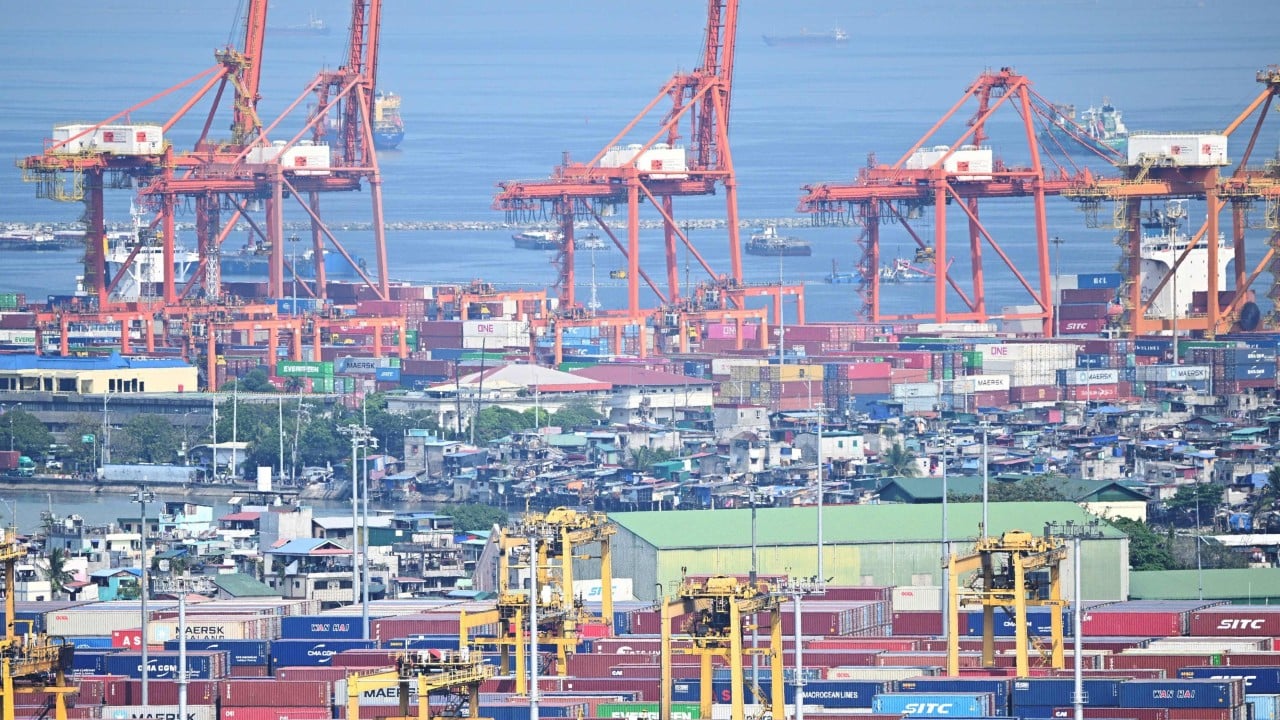
Can Philippines turn reforms into gains in Southeast Asia’s FDI race?
The News
The Philippines, previously marred by corruption, poor infrastructure, and a fuel crisis linked to a distant war, has implemented a series of business-friendly reforms and ambitious infrastructure upgrades. These changes aim to improve its competitiveness in attracting foreign direct investment as companies look to diversify supply chains away from the region. The country's ability to capitalize on these reforms will determine its success in the Southeast Asian FDI race.
Infographic
No infographic was generated for this story. GreyNews is not leaving this spinning indefinitely.
The Analysis
Intelligence Brief
Analyzed · Moderate confidence (71%)
Same as the summary above — this brief adds the distinct fields below.
FDI race in Southeast Asia
The Philippines faced corruption issues.
6 claims still need verification.
No forecast extracted yet.
Key findings
The Philippines had inadequate infrastructure.
South China Morning Post- FDI race in Southeast Asia
- Reforms reduce barriers for foreign investors
Trust Breakdown
Plain English
Loaded language removedNot so long ago, the Philippines was affected by warning signs to investors, from its corruption to its struggling infrastructure and a fuel situation born of a war fought thousands of miles away.
Emotionally neutral rewrite. Same facts, calmer framing.
What's next
This angle has contested claims
Claims
The Philippines had inadequate infrastructure.
South China Morning PostThe Philippines faced corruption issues.
South China Morning PostThe Philippines is now in a stronger position to attract foreign direct investment.
OpinionThe Philippines experienced a fuel crisis due to a distant war.
South China Morning PostA series of business-friendly reforms and infrastructure plans have been introduced.
South China Morning PostBillions of dollars are seeking investment opportunities outside the region's supply chain.
South China Morning PostBias & Framing
- availability_heuristic: a flurry of business-friendly reforms – paired with ambitious plans to upgrade the nation’s railways, ports and power grid,Those problems have not simply disappeared