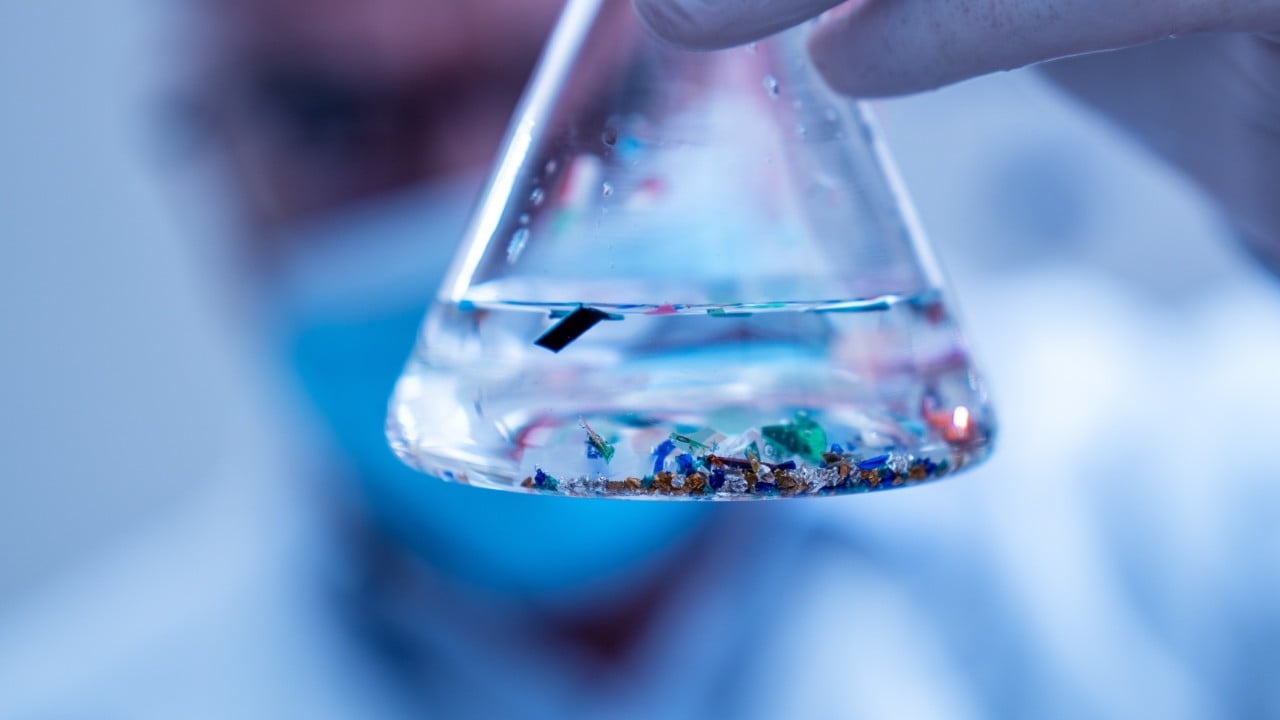
China can turn plastic waste to jet fuel at a low cost: study
The News
Chinese researchers have developed a new chemical technique that converts plastic waste into aviation fuel at a low cost. Global plastic production exceeds 460 million tonnes annually, and traditional disposal methods like incineration and landfilling are considered wasteful and polluting. This emerging technology offers a promising solution to the environmental impact of plastic waste.
Infographic
The Analysis
Intelligence Brief
Analyzed
Same as the summary above — this brief adds the distinct fields below.
Based on chemical conversion
Chinese researchers have proposed a technology for converting plastic waste into jet fuel.
5 claims still need verification.
No forecast extracted yet.
5 unresolved.
Key findings
Global plastic production exceeds 460 million tonnes annually.
South China Morning Post- Based on chemical conversion
- Published research by Chinese scientists
Plain English
Loaded language removedGlobal plastic production exceeds 460 million tonnes annually, and the material’s resistance to degradation is leading to concern about its environmental impact. Traditional disposal routes – incineration and landfilling – are not only inefficient but also polluting.
Emotionally neutral rewrite. Same facts, calmer framing.
What's next
This angle has contested claims
Claims
Global plastic production exceeds 460 million tonnes annually.
South China Morning PostTraditional disposal of plastics (incineration and landfilling) is wasteful and highly polluting.
OpinionThe technique is promising and potentially low-cost.
OpinionChinese researchers have proposed a technology for converting plastic waste into jet fuel.
South China Morning PostA new chemical technique can convert discarded plastics into aviation fuel.
South China Morning Post