
Orcas seen ramming prey so hard it explodes may be playing game
The News
Orcas have been observed ramming into sunfish at high speed, causing the prey to explode into pieces. This behavior occurred after the fish were already dead, leading scientists to suggest it may be a form of play or entertainment. The behavior could also serve to help younger whales learn to feed. The observations raise questions about the cognitive and social complexity of orcas.
Infographic
The Analysis
Intelligence Brief
Analyzed
Same as the summary above — this brief adds the distinct fields below.
Describes orca social behavior but no human social context.
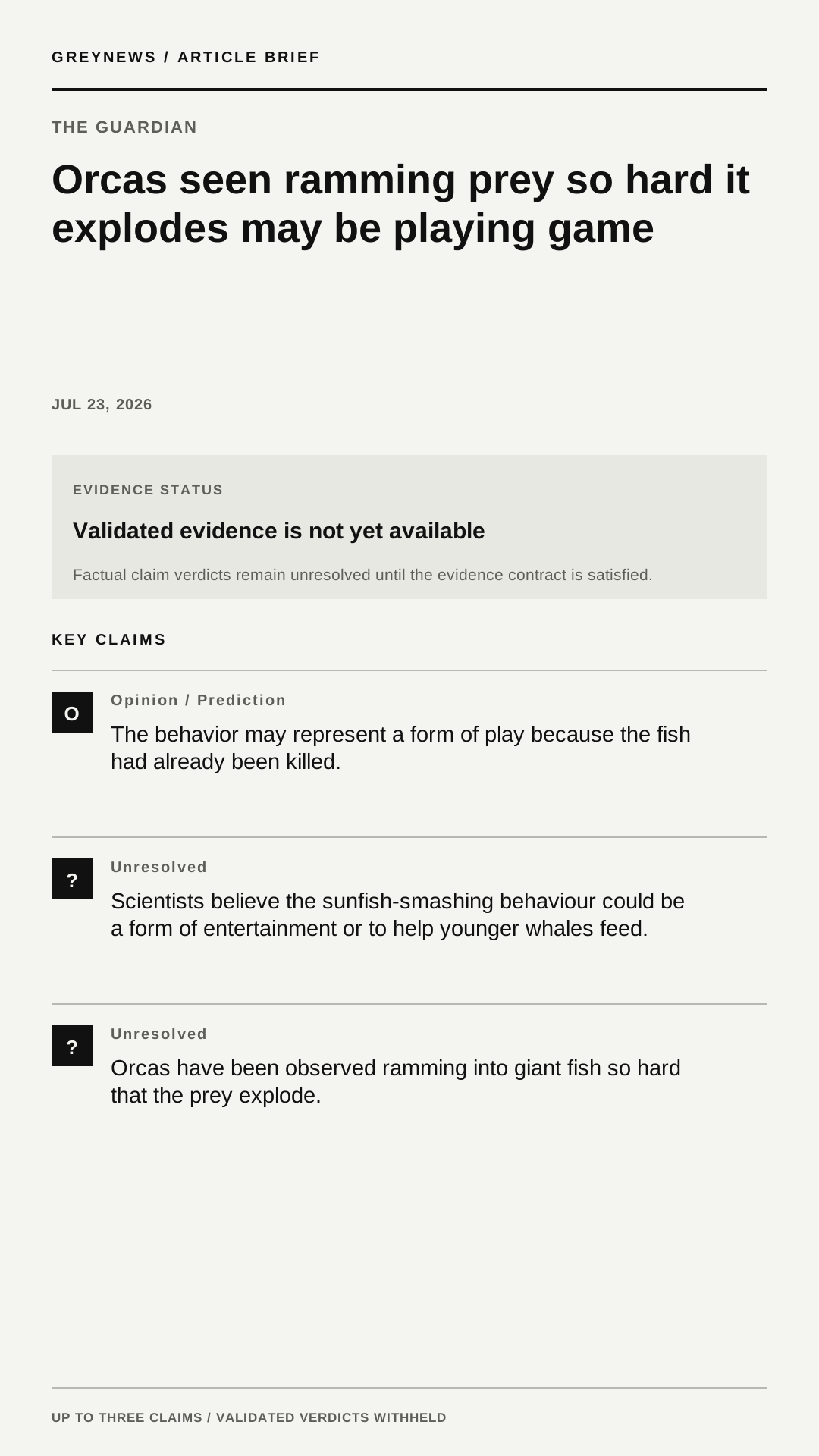
Orcas have been observed ramming into giant fish so hard that the prey explode.
4 claims still need verification.
No forecast extracted yet.
4 unresolved.
Key findings
The behavior may represent a form of play because the fish had already been killed.
Opinion- Describes orca social behavior but no human social context.
- No discussion of community, culture, or social issues.
Plain English
Loaded language removed<p>Scientists believe sunfish-smashing behaviour could be form of entertainment or to help younger whales feed</p><p>Orcas have been observed ramming into giant fish so hard that the prey explode, possibly as a form of gory entertainment.</p><p>On several occasions, orcas were observed to hold sunfish in their jaws while a second whale smashed into the target at high speed, causing it to break into thousands of pieces.
Emotionally neutral rewrite. Same facts, calmer framing.
What's next
This angle has contested claims
Claims
The behavior may represent a form of play because the fish had already been killed.
OpinionScientists believe the sunfish-smashing behaviour could be a form of entertainment or to help younger whales feed.
The GuardianOrcas have been observed ramming into giant fish so hard that the prey explode.
The GuardianOn several occasions, orcas held sunfish in their jaws while a second whale smashed into the target.
The Guardian