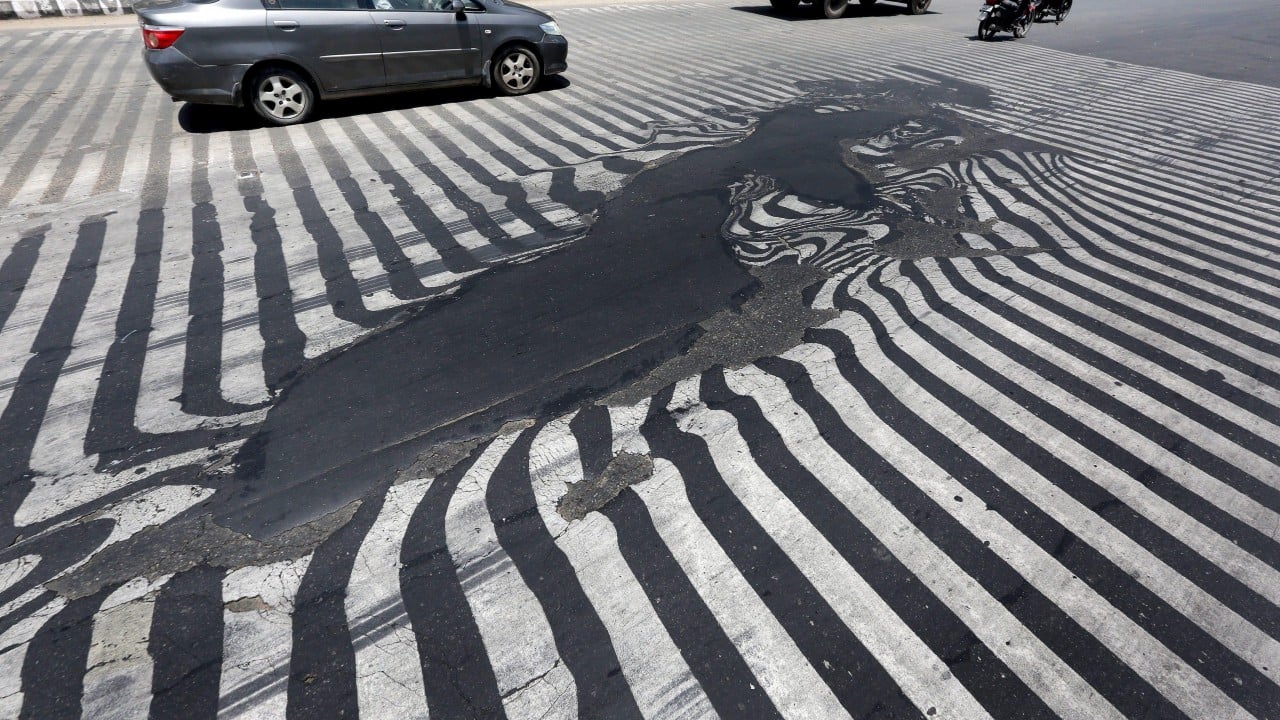
Who pays when overheated roads melt and rails buckle?
The News
Heatwaves are becoming more frequent and intense, causing lasting and costly damage to infrastructure such as roads and rails. The extreme heat also leads to deaths, particularly among those without access to air conditioning, and ignites severe forest fires. This highlights the growing impact of climate change on essential systems and vulnerable populations.
Infographic
The Analysis
Intelligence Brief
Analyzed
Same as the summary above — this brief adds the distinct fields below.
Heatwave-related mortality, especially among the disadvantaged.
Heatwaves cause lasting and costly damage to basic infrastructure.
5 claims still need verification.
No forecast extracted yet.
5 unresolved.
Key findings
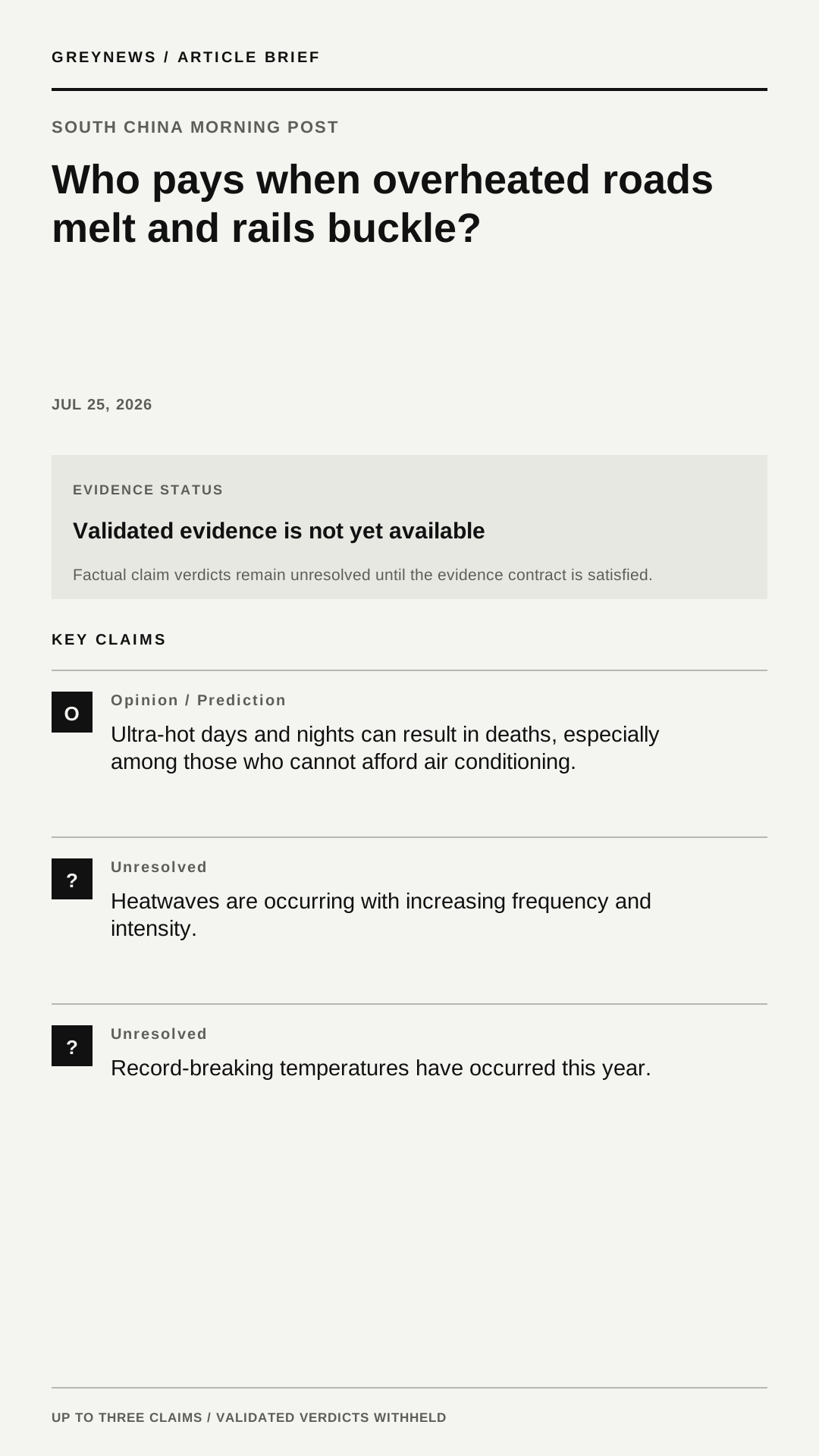
Ultra-hot days and nights can result in deaths, especially among those who cannot afford air conditioning.
Opinion- Heatwave-related mortality, especially among the disadvantaged.
- Forest fires causing displacement and destruction.
Plain English
Loaded language removedHeatwaves come and go, and while this is happening with increasing frequency and intensity – as this year’s record-breaking temperatures show – they slip from attention once things cool off. What does not disappear is the lasting and costly damage they do to the basic infrastructure we rely on in our daily lives.
Emotionally neutral rewrite. Same facts, calmer framing.
What's next
This angle has contested claims
Claims
Ultra-hot days and nights can result in deaths, especially among those who cannot afford air conditioning.
OpinionHeatwaves are occurring with increasing frequency and intensity.
South China Morning PostRecord-breaking temperatures have occurred this year.
South China Morning PostHeatwaves cause lasting and costly damage to basic infrastructure.
South China Morning PostHeatwaves ignite forest fires of terrifying intensity.
South China Morning Post