
Iran War Live Updates: U.S. Strikes Abate, Even as Trump Considers Escalation
The News
U.S. forces refrained from announcing new overnight attacks on southern Iran for the first time in two weeks, but tensions between the two countries remained high. Meanwhile, Saudi-led coalition forces conducted strikes against Houthi targets over the Red Sea, indicating continued regional volatility. The pause in U.S. strikes may signal a shift in strategy, though President Trump is reportedly considering escalation. The situation underscores the interconnected nature of conflicts in the Middle East.
Infographic
The Analysis
Intelligence Brief
Analyzed
U.S. forces refrained from announcing new overnight attacks on southern Iran for the first time in two weeks, but tensions between the two countries remained high. Meanwhile, Saudi-led coalition forces conducted strikes against Houthi targets over the Red Sea, indicating continued regional volatility. The pause in U.S. strikes may signal a shift in strategy, though President Trump is reportedly considering escalation. The situation underscores the interconnected nature of conflicts in the Middl...
U.S. forces did not announce new overnight attacks on southern Iran for the first time in about two weeks
U.S. forces did not announce new overnight attacks on southern Iran for the first time in about two weeks.
3 claims still need verification.
No forecast extracted yet.
3 unresolved.
Key findings
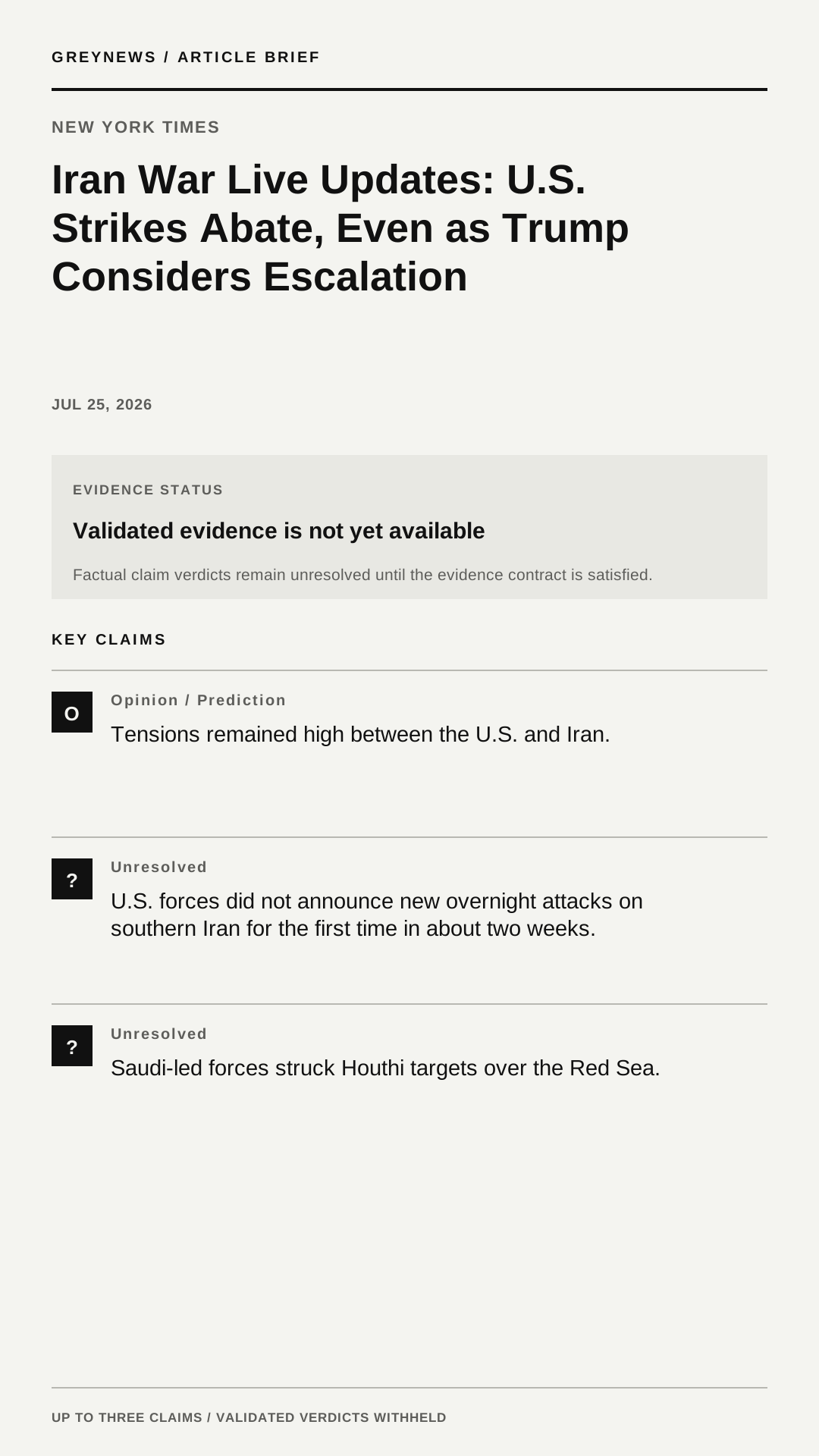
Tensions remained high between the U.S. and Iran.
Opinion- U.S. forces did not announce new overnight attacks on southern Iran for the first time in about two weeks
- Saudi-led forces striking Houthi targets over the Red Sea
Plain English
Loaded language removedU.S. forces did not announce new overnight attacks on southern Iran for the first time in about two weeks, but confrontations continued, with Saudi-led forces striking Houthi targets over the Red Sea.
Emotionally neutral rewrite. Same facts, calmer framing.
What's next
This angle has contested claims
Claims
Tensions remained high between the U.S. and Iran.
OpinionU.S. forces did not announce new overnight attacks on southern Iran for the first time in about two weeks.
New York TimesSaudi-led forces struck Houthi targets over the Red Sea.
New York Times