Why China’s low-cost business model resists reform
The News
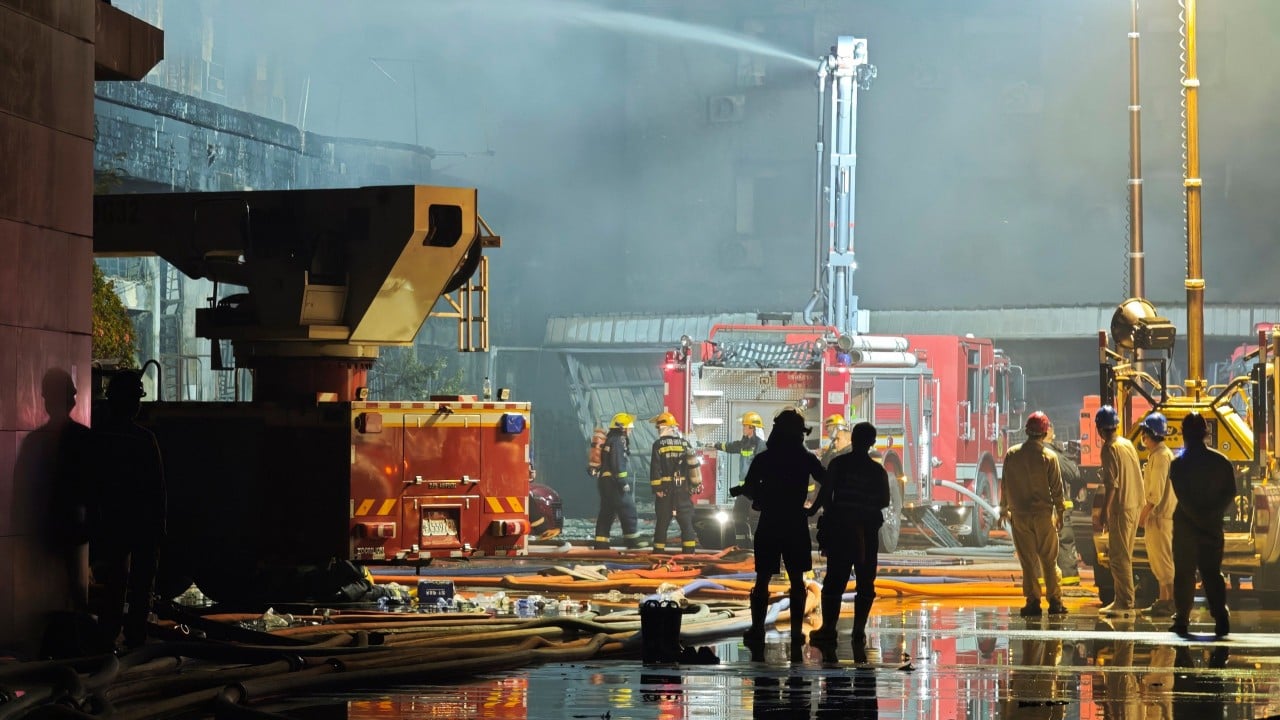
A fire at a shoe factory in Jinjiang, Fujian province on July 9 killed at least 28 people. The incident highlights ongoing safety issues linked to cost-cutting under China's low-cost business model. Company filings reveal that few workers had pension and medical insurance, underscoring challenges to reform. The tragedy raises questions about the resistance to change in such economic models.
Infographic
The Analysis
Intelligence Brief
Analyzed
Same as the summary above — this brief adds the distinct fields below.
28 people killed in preventable fire
On July 9, a fire burned through a shoe factory in Jinjiang, Fujian province, killing at least 28 people.
4 claims still need verification.
No forecast extracted yet.
4 unresolved.
Key findings
Firms operating under financial pressure often cut costs by compromising safety.
Opinion- 28 people killed in preventable fire
- Inadequate safety measures due to cost-cutting
Plain English
Loaded language removedOn July 9, a fire burned through a shoe factory in Jinjiang, Fujian province, killing at least 28 people. The accident signals a larger problem: firms operating under financial pressure often cut costs by compromising safety. China’s low-cost business model needs reform, but why has change been so difficult?
Emotionally neutral rewrite. Same facts, calmer framing.
What's next
This angle has contested claims
Claims
Firms operating under financial pressure often cut costs by compromising safety.
OpinionChina's low-cost business model needs reform.
OpinionOn July 9, a fire burned through a shoe factory in Jinjiang, Fujian province, killing at least 28 people.
South China Morning PostCompany filings for 2025 indicate that only a handful of the hundreds of workers were enrolled in pension and medical insurance plans.
South China Morning Post