How Do You Move 30 Beluga Whales? With Cranes, Planes and Anti-Anxiety Medicine.
The News
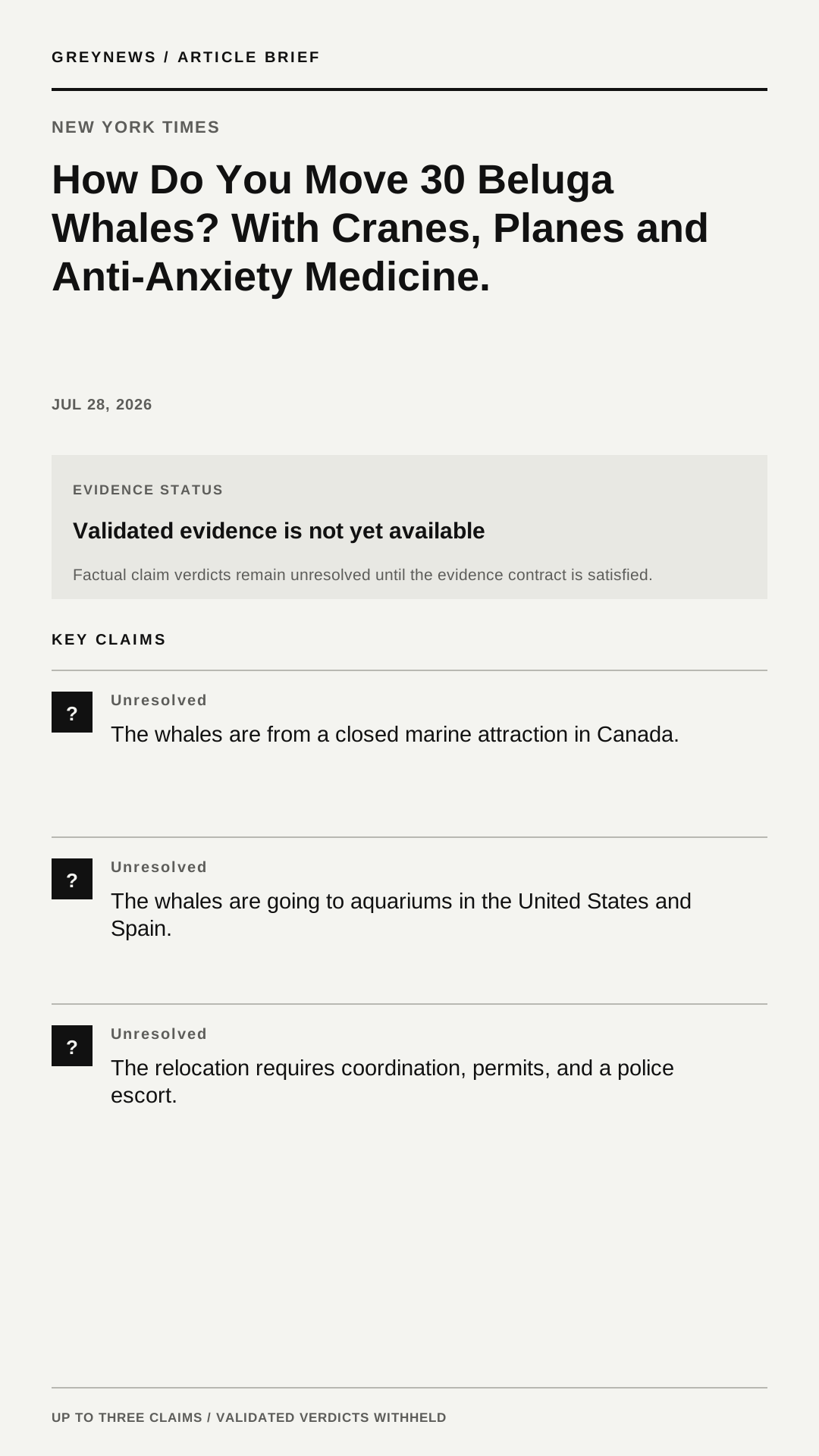
Thirty beluga whales are being relocated from a closed marine attraction in Canada to aquariums in the United States and Spain. The process involves cranes, aircraft, and anti-anxiety medication to manage the animals' stress. Coordination, permits, and a police escort are required for the move. The relocation is notable for its scale and logistical complexity.
Infographic
The Analysis
Intelligence Brief
Analyzed
Same as the summary above — this brief adds the distinct fields below.
Requirement of permits implies government oversight and regulatory compliance.
The whales are from a closed marine attraction in Canada.
3 claims still need verification.
No forecast extracted yet.
3 unresolved.
Key findings
The whales are from a closed marine attraction in Canada.
New York Times- Requirement of permits implies government oversight and regulatory compliance.
- Police escort suggests potential security or public interest concerns.
Plain English
Loaded language removedRelocating the whales from a closed marine attraction in Canada to aquariums in the United States and Spain requires coordination, permits and a police escort.
Emotionally neutral rewrite. Same facts, calmer framing.
What's next
This angle has contested claims
Claims
The whales are from a closed marine attraction in Canada.
New York TimesThe whales are going to aquariums in the United States and Spain.
New York TimesThe relocation requires coordination, permits, and a police escort.
New York Times