
A Russian Spy, Suddenly Cast Into the Spotlight, Flees Japan
The News
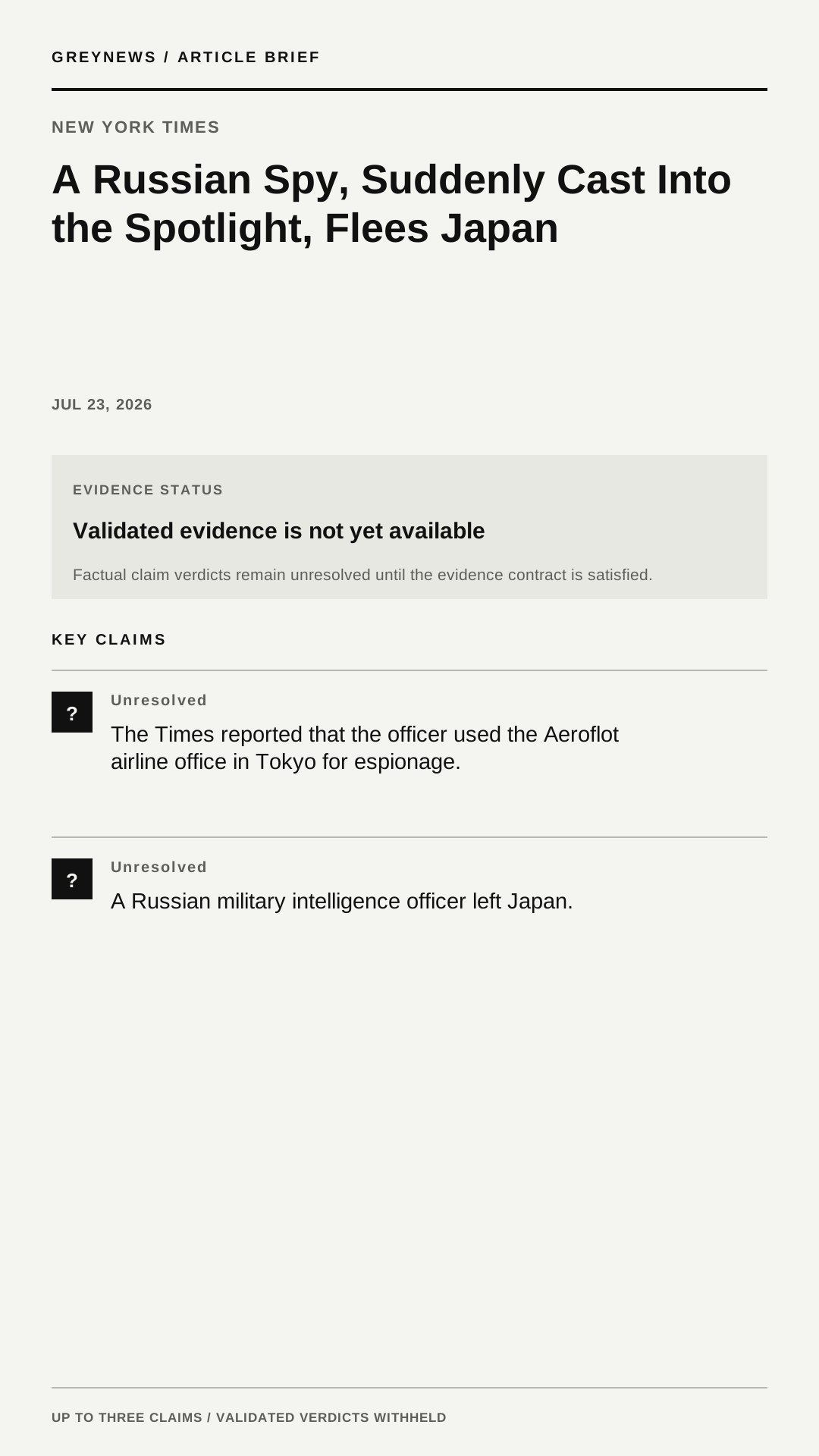
A Russian military intelligence officer fled Japan after The Times reported that he was using the Aeroflot airline office in Tokyo for espionage. The report brought the spy into the spotlight, prompting his sudden departure from the country. This incident underscores ongoing espionage tensions between Russia and Japan.
Infographic
The Analysis
Intelligence Brief
Analyzed
Same as the summary above — this brief adds the distinct fields below.
Aeroflot's office was used as a front for espionage, damaging its corporate image.
The Times reported that the officer used the Aeroflot airline office in Tokyo for espionage.
2 claims still need verification.
No forecast extracted yet.
2 unresolved.
Key findings
The Times reported that the officer used the Aeroflot airline office in Tokyo for espionage.
New York Times- Aeroflot's office was used as a front for espionage, damaging its corporate image.
- The exposure could lead to tighter regulations on Russian businesses in Japan.
Plain English
Loaded language removedThe military intelligence officer left the country after The Times reported that he was using the Aeroflot airline office in Tokyo to conduct espionage.
Emotionally neutral rewrite. Same facts, calmer framing.
What's next
This angle has contested claims
Claims
The Times reported that the officer used the Aeroflot airline office in Tokyo for espionage.
New York TimesA Russian military intelligence officer left Japan.
New York Times