Indonesian central banker’s exit signals dilemma over rate policy, growth target
The News
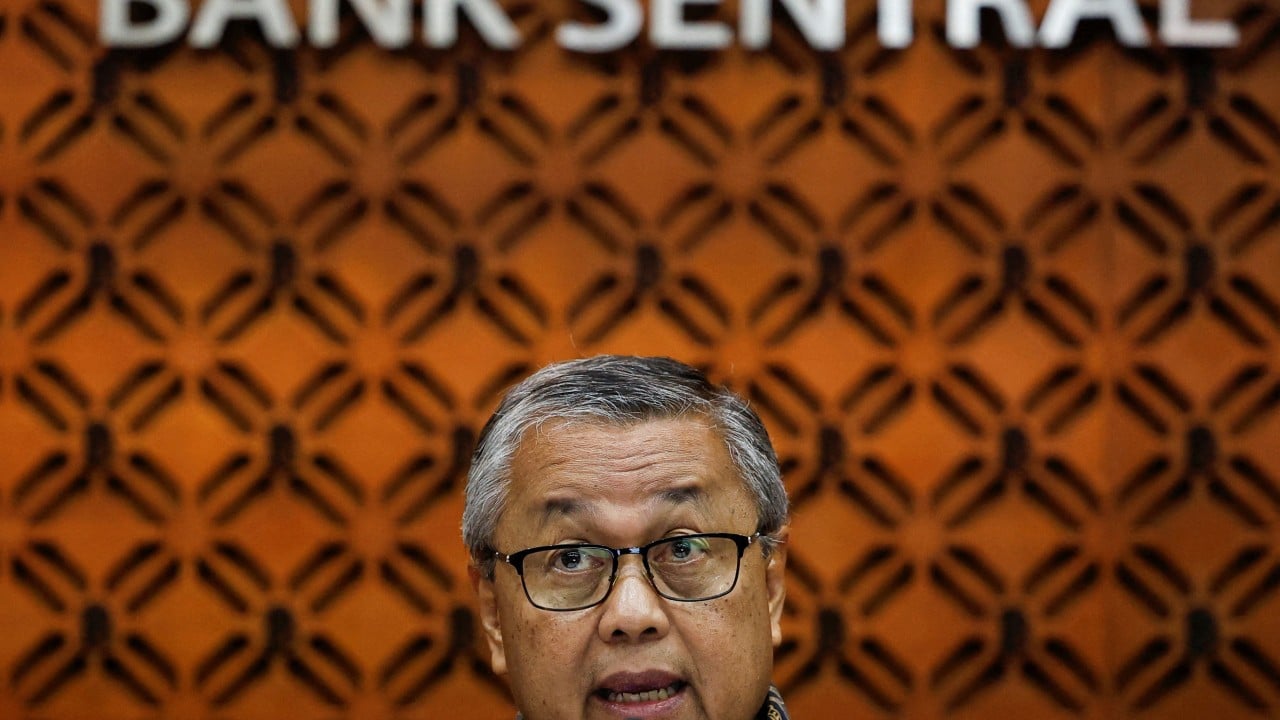
The sudden resignation of Bank Indonesia Governor Perry Warjiyo has drawn attention to a policy dilemma faced by central bankers in the region: balancing the need to tighten interest rates to defend currencies and control inflation against loosening them to support economic growth. Analysts suggest Warjiyo may have been pressured to align more closely with President Prabowo Subianto's growth agenda. The exit underscores tensions between monetary policy and political priorities.
Infographic
The Analysis
Intelligence Brief
Analyzed
Same as the summary above — this brief adds the distinct fields below.
Tightening defends currency but risks slowing growth
Warjiyo led the Indonesian central bank.
4 claims still need verification.
No forecast extracted yet.
4 unresolved.
Key findings
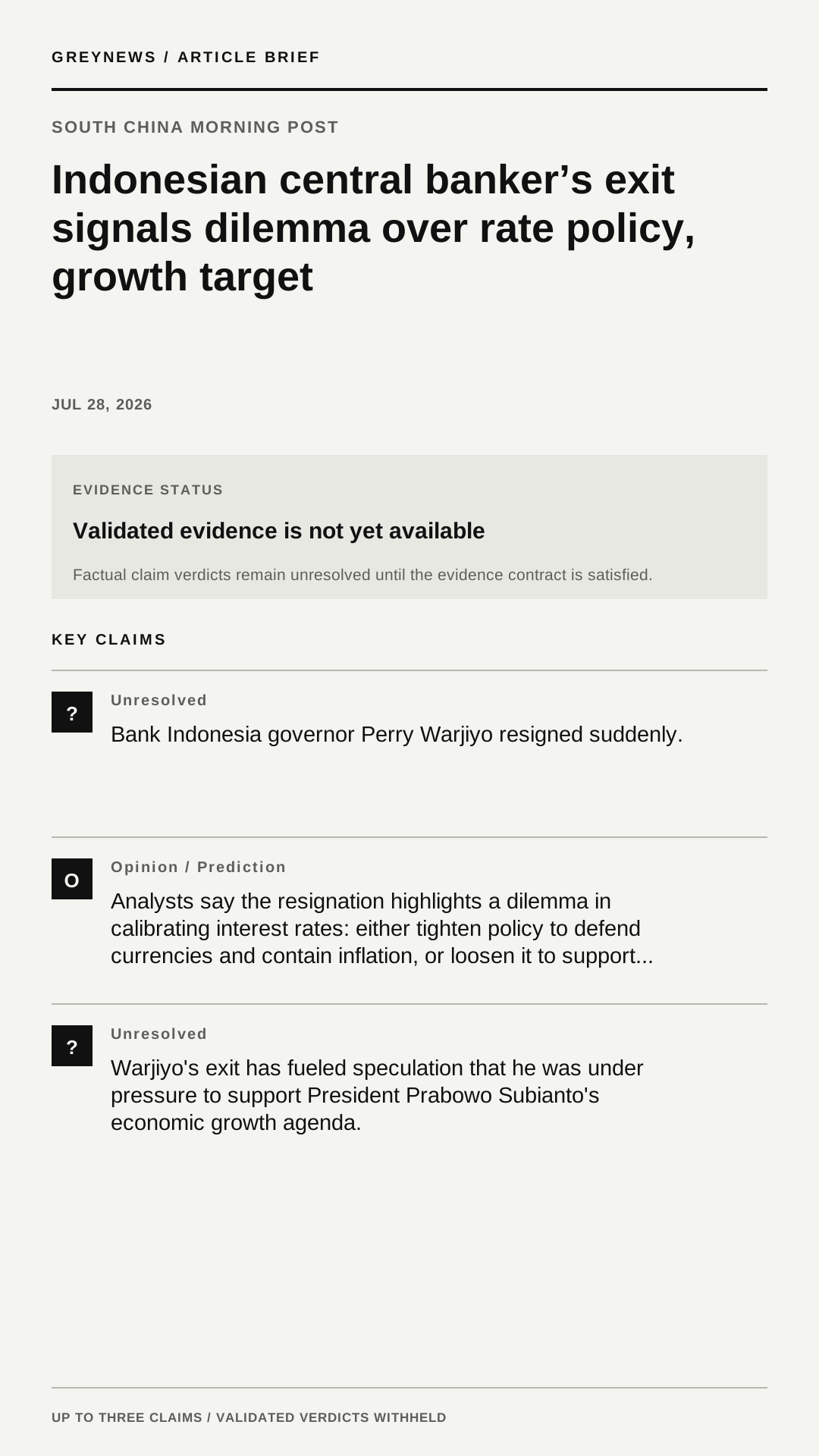
Bank Indonesia governor Perry Warjiyo resigned suddenly.
South China Morning Post- Tightening defends currency but risks slowing growth
- Loosening supports growth but may fuel inflation
Plain English
Loaded language removedThe sudden resignation of Bank Indonesia’s governor highlights a dilemma that he and his central bank peers in the region have faced in calibrating interest rates – either tighten policy to defend weakening currencies and contain inflation, or loosen it to support pro-growth mandates – according to analysts.
Emotionally neutral rewrite. Same facts, calmer framing.
What's next
This angle has contested claims
Claims
Bank Indonesia governor Perry Warjiyo resigned suddenly.
South China Morning PostAnalysts say the resignation highlights a dilemma in calibrating interest rates: either tighten policy to defend currencies and contain inflation, or loosen it to support growth.
OpinionWarjiyo's exit has fueled speculation that he was under pressure to support President Prabowo Subianto's economic growth agenda.
South China Morning PostWarjiyo led the Indonesian central bank.
South China Morning Post