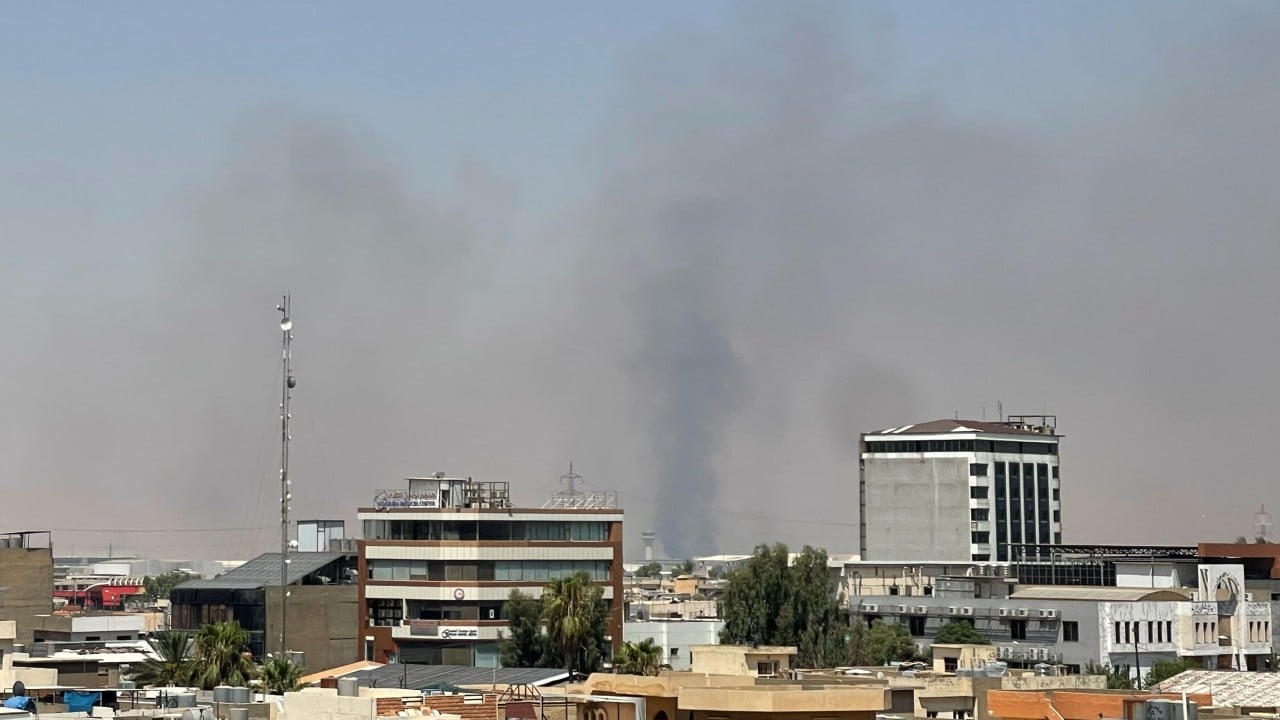
Can Southeast Asia survive more Iran war fuel shocks?
The News
The article examines the vulnerability of Southeast Asian economies to fuel shocks from renewed US-Iran conflict. Governments had taken measures to mitigate energy disruptions from the Middle East, but analysts warn these defenses are inadequate. The region's heavy reliance on imported oil and Gulf shipping routes heightens the risk of another crisis. Southeast Asian leaders have expressed grave concern over the situation.
Infographic
The Analysis
Intelligence Brief
Analyzed
Same as the summary above — this brief adds the distinct fields below.
Renewed fighting between US and Iran drives energy shocks.
Many economies in Southeast Asia remain heavily dependent on imported oil and shipping routes linked to the Gulf.
5 claims still need verification.
No forecast extracted yet.
5 unresolved.
Key findings
Renewed fighting between the United States and Iran has exposed how limited those defenses are, according to analysts.
South China Morning Post- Renewed fighting between US and Iran drives energy shocks.
- Southeast Asia's heavy reliance on Gulf shipping lanes.
Plain English
Loaded language removedSoutheast Asia’s governments have spent months trying to mitigate the effects of conflict-related energy shocks from the Middle East, but tensions between the United States and Iran have indicated the scope of those measures, analysts have said.
Emotionally neutral rewrite. Same facts, calmer framing.
What's next
This angle has contested claims
Claims
Renewed fighting between the United States and Iran has exposed how limited those defenses are, according to analysts.
South China Morning PostSoutheast Asian leaders expressed 'grave concern' over the situation.
South China Morning PostSoutheast Asia's governments have spent months trying to blunt the effects of war-driven energy shocks from the Middle East.
South China Morning PostThe latest flare-up has revived fears of a second round of fuel disruption across Southeast Asia.
South China Morning PostMany economies in Southeast Asia remain heavily dependent on imported oil and shipping routes linked to the Gulf.
South China Morning Post