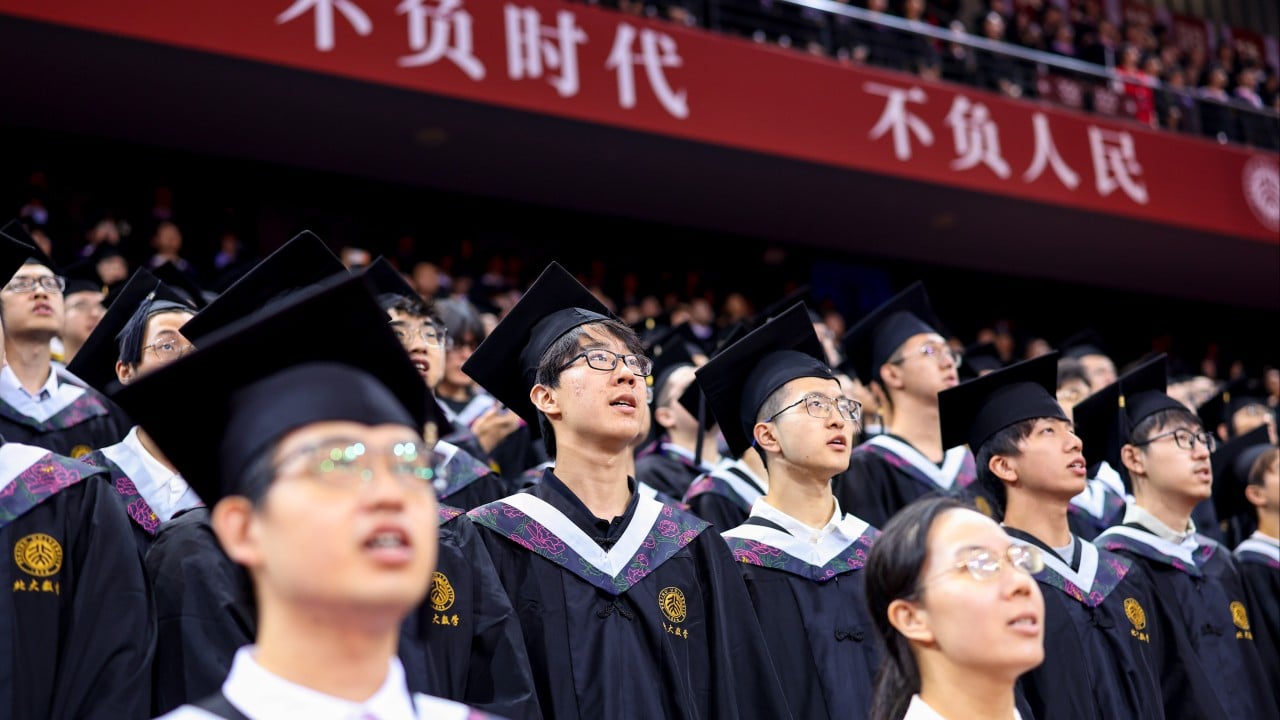
Can science bridge the US-China trust gap? Maybe with new rules, researchers say
The News
The article discusses how scientific collaboration between the US and China can act as a stabilizing force in their relationship, but argues that it requires moving beyond a simple competition-versus-cooperation framework. Researchers Zhao Minghao and Chen Yutong suggest that continuous contact and clearly defined boundaries with narrower collaboration areas are necessary. This perspective highlights the importance of managing hi-tech competition while maintaining cooperative scientific ties.
Infographic
The Analysis
Intelligence Brief
Analyzed
Same as the summary above — this brief adds the distinct fields below.
The US and China are jostling for a hi-tech edge.
This finding was reported by Zhao Minghao, a professor at Fudan University’s Institute of International Studies, and Chen Yutong.
4 claims still need verification.
No forecast extracted yet.
4 unresolved.
Key findings
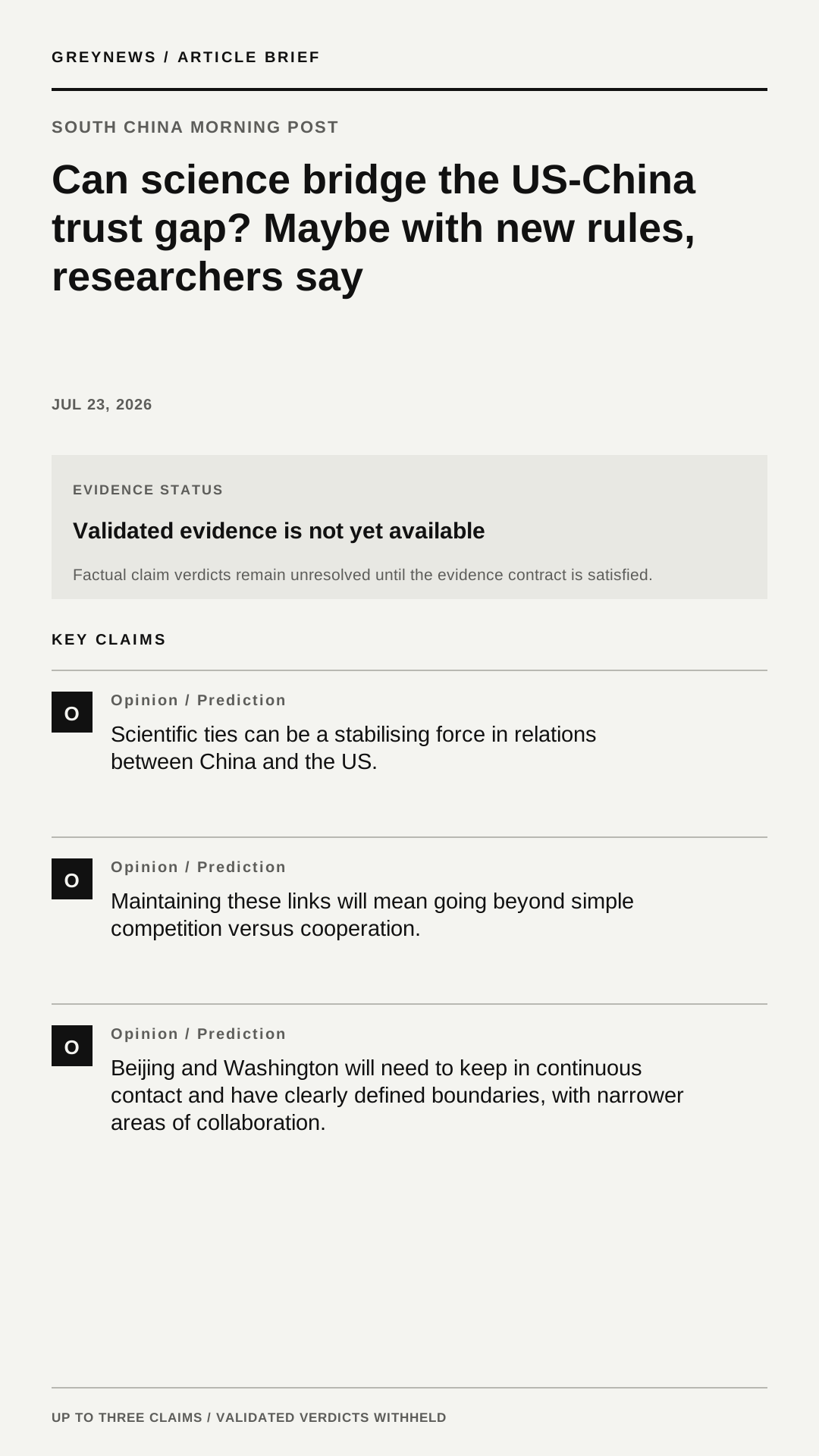
Scientific ties can be a stabilising force in relations between China and the US.
Opinion- The US and China are jostling for a hi-tech edge.
- Scientific ties are viewed as a potential stabilizer in the bilateral relationship.
Plain English
Loaded language removedScientific ties can be a stabilising force in relations between China and the US but as the two countries jostle for a hi-tech edge, maintaining these links will mean going beyond simple competition versus cooperation. To get there, Beijing and Washington will need to keep in continuous contact and have clearly defined boundaries, with narrower areas of collaboration.
Emotionally neutral rewrite. Same facts, calmer framing.
What's next
This angle has contested claims
Claims
Scientific ties can be a stabilising force in relations between China and the US.
OpinionMaintaining these links will mean going beyond simple competition versus cooperation.
OpinionBeijing and Washington will need to keep in continuous contact and have clearly defined boundaries, with narrower areas of collaboration.
OpinionThis finding was reported by Zhao Minghao, a professor at Fudan University’s Institute of International Studies, and Chen Yutong.
South China Morning Post