How Trump’s Iran ‘own goal’ is hitting long-term US strategy to contain Chinese influence
The News
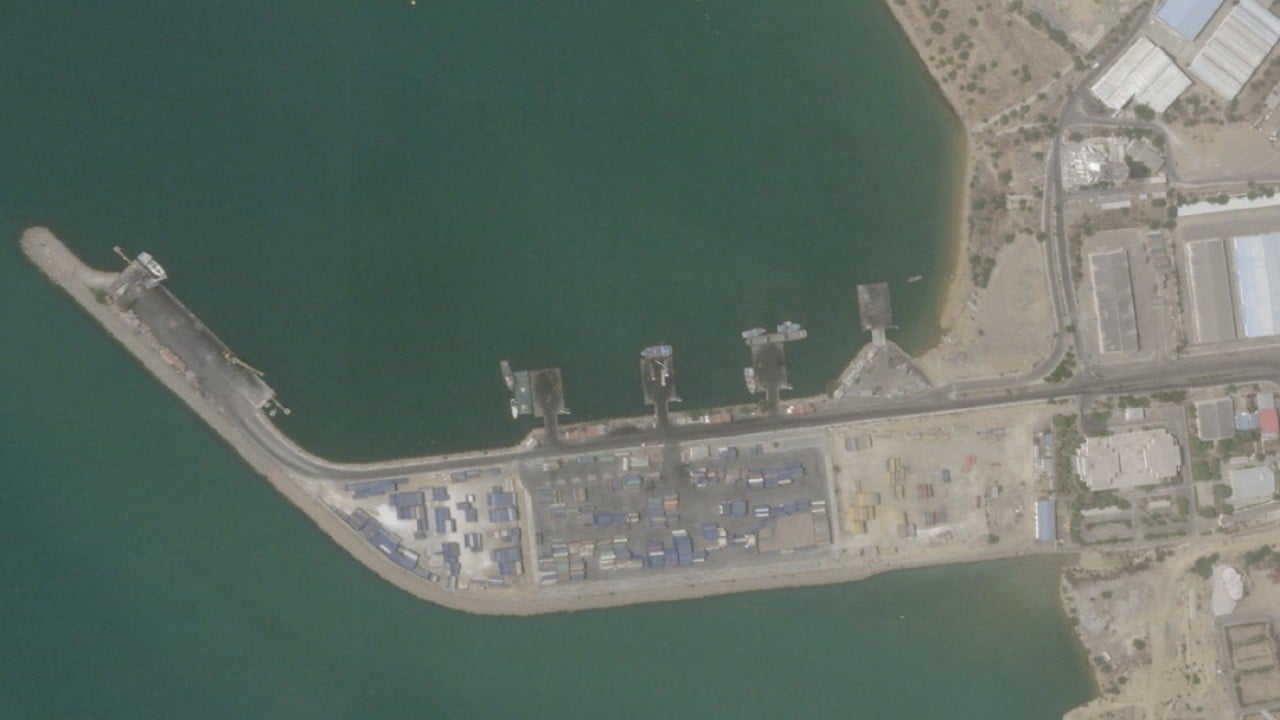
The article argues that US sanctions and conflict with Iran are undermining long-term American strategy to contain China's influence in the Middle East. It highlights the Iranian port of Chabahar, which India supports as a trade corridor to Afghanistan and Central Asia and as a counterweight to China's Gwadar port in Pakistan. The implication is that US actions are weakening a key strategic asset against China.
Infographic
The Analysis
Intelligence Brief
Analyzed
Same as the summary above — this brief adds the distinct fields below.
US strategy to counter China is undermined by Iran policy.
The United States has spent decades trying to blunt China's strategic rise.
4 claims still need verification.
No forecast extracted yet.
4 unresolved.
Key findings
US sanctions and the war against Iran are dismantling one of the few assets built to constrain Beijing’s influence in the Middle East.
Opinion- US strategy to counter China is undermined by Iran policy.
- Chabahar port is a geopolitical asset for India and against China.
Plain English
Loaded language removedThe United States has spent decades trying to blunt China’s strategic rise. Yet in the Middle East, sanctions and the war against Iran are now dismantling one of the few assets built to constrain Beijing’s influence in the region.
Emotionally neutral rewrite. Same facts, calmer framing.
What's next
This angle has contested claims
Claims
US sanctions and the war against Iran are dismantling one of the few assets built to constrain Beijing’s influence in the Middle East.
OpinionThe United States has spent decades trying to blunt China's strategic rise.
South China Morning PostThe Iranian port of Chabahar has received strong backing from India.
South China Morning PostChabahar is a strategic counterweight to the Chinese-operated Pakistani port of Gwadar.
Opinion