
A third of UK journalists have changed how or what they report over fears for safety, study finds
The News
A government-backed study found that a third of UK journalists have altered their reporting due to safety fears, self-censoring on topics like rightwing protests, the Trump administration, and transgender issues. Hundreds of journalists reported increased nervousness, leading to a narrowing of public conversation. Newsrooms are criticized for normalizing these risks. This trend threatens press freedom and public discourse.
Infographic
The Analysis
Intelligence Brief
Analyzed
Same as the summary above — this brief adds the distinct fields below.
Journalists avoid covering rightwing protests and Trump administration
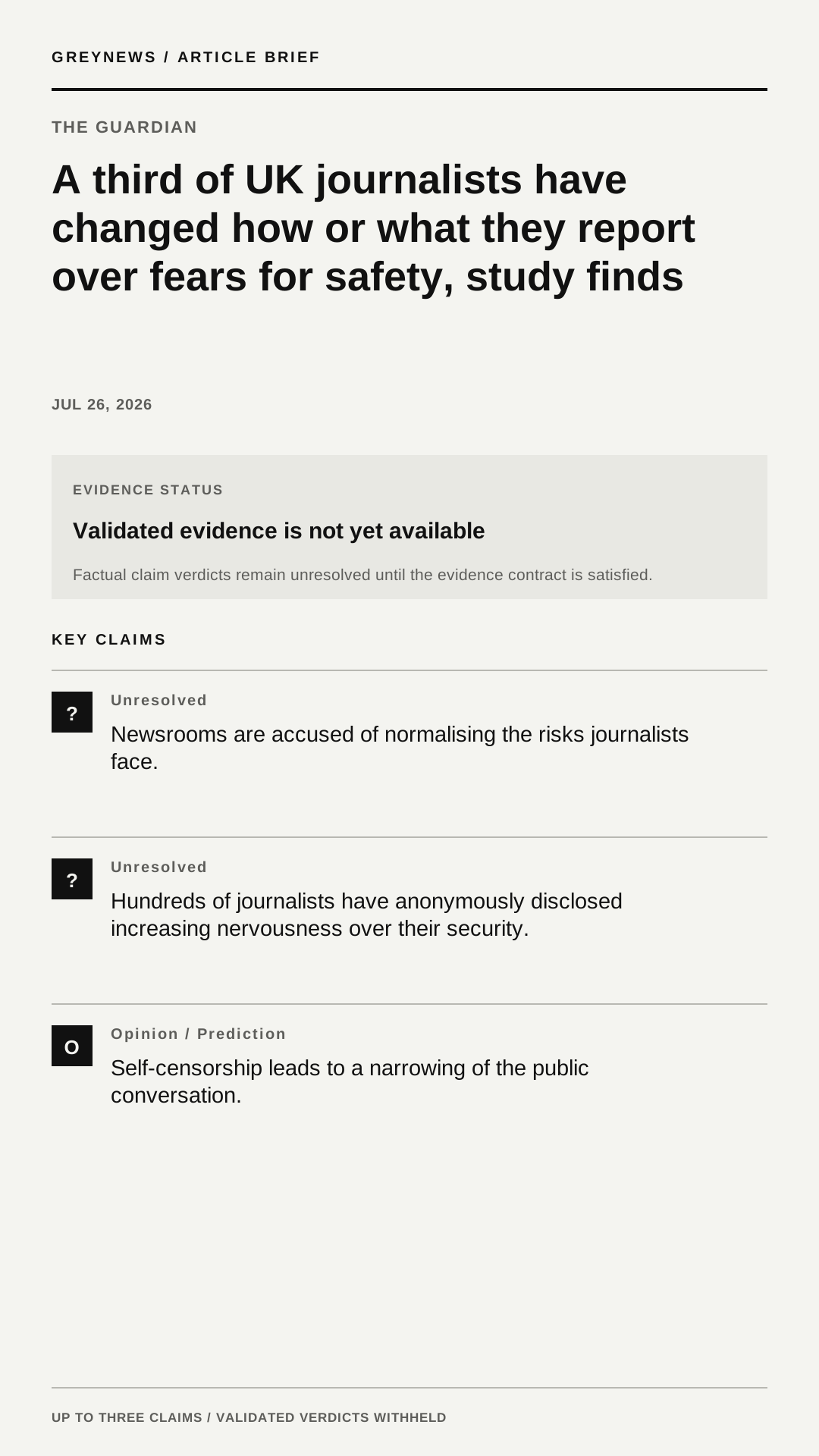
Hundreds of journalists have anonymously disclosed increasing nervousness over their security.
4 claims still need verification.
No forecast extracted yet.
4 unresolved.
Key findings
Newsrooms are accused of normalising the risks journalists face.
The Guardian- Journalists avoid covering rightwing protests and Trump administration
- Self-censorship leads to narrowing of public conversation
Plain English
Loaded language removed<p>Government-backed investigation finds risks are normalised amid ‘a narrowing of the public conversation’ </p><p>Journalists are self-censoring their reporting on rightwing protests, Donald Trump’s administration and trans issues because of growing concerns about their personal safety, with newsrooms accused of “normalising” the risks they face.</p><p>Hundreds of journalists from across the UK have anonymously disclosed increasing nervousness over their security.
Emotionally neutral rewrite. Same facts, calmer framing.
What's next
This angle has contested claims
Claims
Newsrooms are accused of normalising the risks journalists face.
The GuardianHundreds of journalists have anonymously disclosed increasing nervousness over their security.
The GuardianSelf-censorship leads to a narrowing of the public conversation.
OpinionJournalists are self-censoring their reporting on rightwing protests, Donald Trump’s administration and trans issues.
The Guardian