EU waters down Russia sanctions over fears China could seize key LNG assets
The News
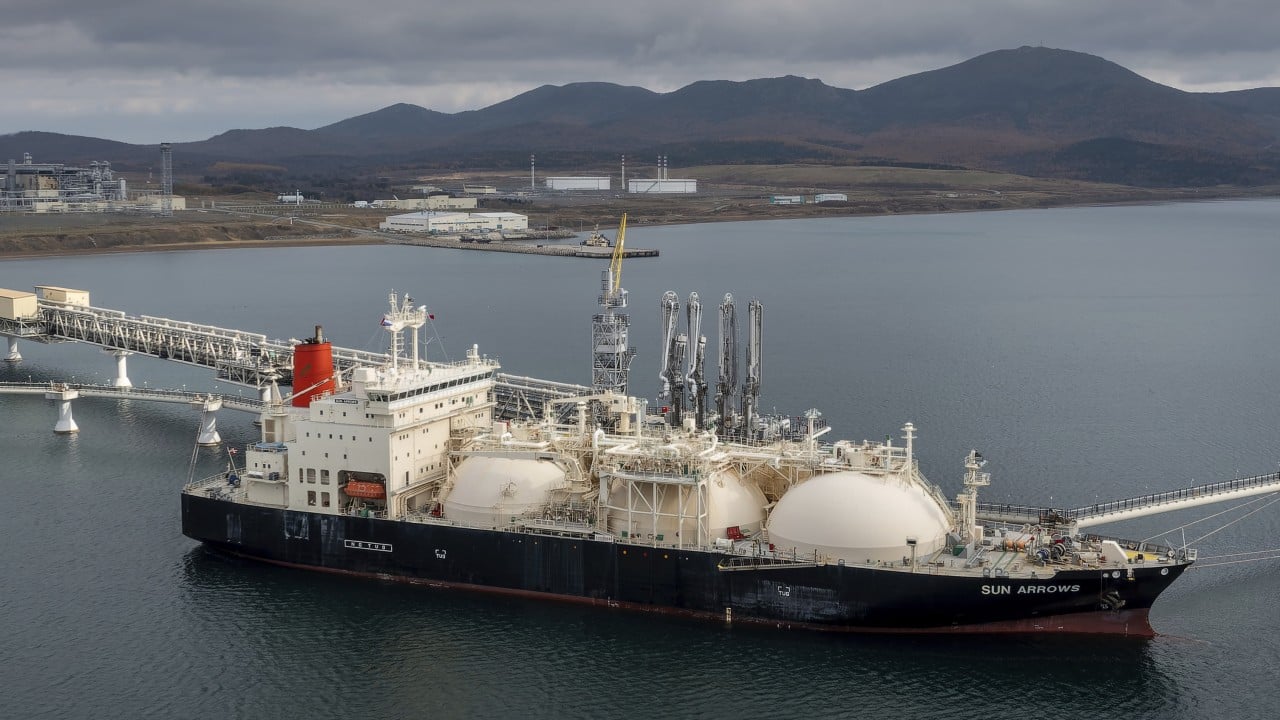
The European Union has weakened its 21st package of sanctions against Russia by allowing EU operators to continue transporting Russian liquefied natural gas to third countries for one year. This decision came after the EU determined that banning Greek companies from such transport could lead to Chinese acquisition of strategically important shipping assets. The move was necessary to remove a Greek veto on the sanctions package, which is designed to undermine Russia's military capabilities.
Infographic
The Analysis
Intelligence Brief
Analyzed
Same as the summary above — this brief adds the distinct fields below.
EU removed Greek veto by allowing continued transport of Russian LNG.
The EU watered down its latest round of sanctions on Moscow.
5 claims still need verification.
No forecast extracted yet.
5 unresolved.
Key findings
The sanctions package aims at hobbling Russia’s war machine.
South China Morning Post- EU removed Greek veto by allowing continued transport of Russian LNG.
- Decision reflects political compromise to maintain unity.
Plain English
Loaded language removedThe EU has watered down its latest round of sanctions on Moscow after concluding that banning Greek companies from transporting Russian gas to third countries could hand strategically important shipping assets to China.
Emotionally neutral rewrite. Same facts, calmer framing.
What's next
This angle has contested claims
Claims
The sanctions package aims at hobbling Russia’s war machine.
South China Morning PostThe EU watered down its latest round of sanctions on Moscow.
South China Morning PostThe EU concluded that banning Greek companies from transporting Russian gas to third countries could hand strategically important shipping assets to China.
South China Morning PostThe EU removed a Greek veto against the 21st package of sanctions.
South China Morning PostEU member states agreed to allow EU operators to continue transporting Russian LNG to third countries for one year.
South China Morning Post