Philippine rice output risks 30% collapse as ‘super’ El Nino strengthens
The News
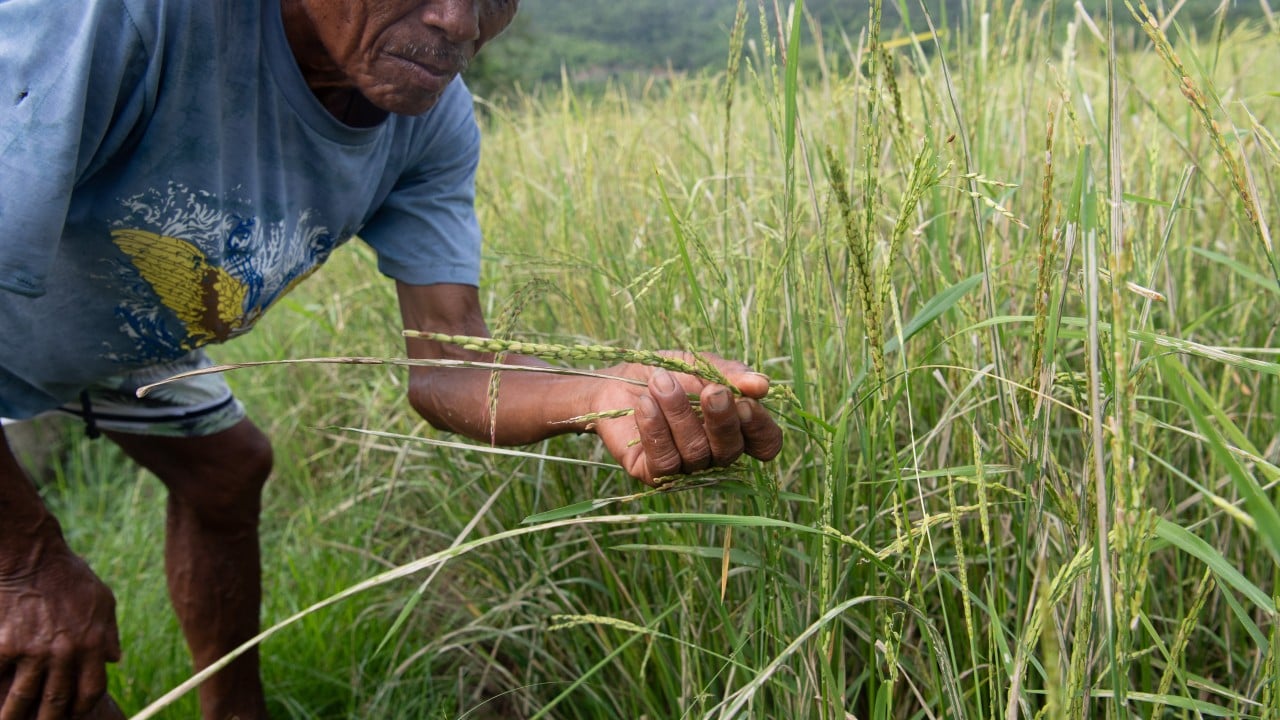
The Philippine rice sector faces a potential 30% drop in output due to a strengthening 'super' El Nino, according to reports. Farmers in central Luzon, who planted rice in June, express concern as they observe little to no government intervention despite a planned response. Raul Montemayor, national manager of the Philippine Rice Research Institute, criticizes the lack of visible action on the ground. The situation highlights the vulnerability of Philippine agriculture to extreme weather events.
Infographic
No infographic was generated for this story. GreyNews is not leaving this spinning indefinitely.
The Analysis
Intelligence Brief
Analyzed · Moderate confidence (74%)
Same as the summary above — this brief adds the distinct fields below.
El Niño has historically affected Philippine agriculture.
Raul Montemayor stated that the government's actions are not visible and are 'all talk'.
5 claims still need verification.
No forecast extracted yet.
Key findings
Farmers perceive the government's plan as barely visible.
Opinion- El Niño has historically affected Philippine agriculture.
- 'Super' El Niño suggests an extreme event.
Trust Breakdown
Plain English
Loaded language removedIn the fields of central Luzon, farmers who planted their rice in June are observing the sky. Out over the Pacific, a familiar phenomenon is gathering strength – and with it, the possibility of reduced harvests and food supply impacts. The Philippines has a plan for this year's strong El Nino, on paper at least.
Emotionally neutral rewrite. Same facts, calmer framing.
What's next
This angle has contested claims
Claims
Farmers perceive the government's plan as barely visible.
OpinionRaul Montemayor stated that the government's actions are not visible and are 'all talk'.
OpinionFarmers in central Luzon planted their rice in June.
South China Morning PostA 'super' El Nino is strengthening over the Pacific Ocean.
South China Morning PostThe Philippines has a plan for this year's 'super' El Nino.
South China Morning PostBias & Framing
- framing_effect: Title: Philippine rice output risks 30% collapse,threat of empty granaries and hungry households
- fear_amplification: super” El Nino,empty granaries and hungry households,risks 30% collapse