
Restricted eating hours may reduce cognitive decline in older age, researchers find
The News
A preliminary study suggests that restricting eating to a nine-hour window and avoiding food four hours before bed may improve cognitive function in older women with overweight or obesity. The pilot study found hints of improvement in mental skills among those who followed the restricted schedule. The findings indicate a simple dietary intervention that could help reduce cognitive decline in older age. Further research is needed to confirm these results.
Infographic
The Analysis
Intelligence Brief
Analyzed
Same as the summary above — this brief adds the distinct fields below.
The study is a pilot involving older women with overweight or obesity.
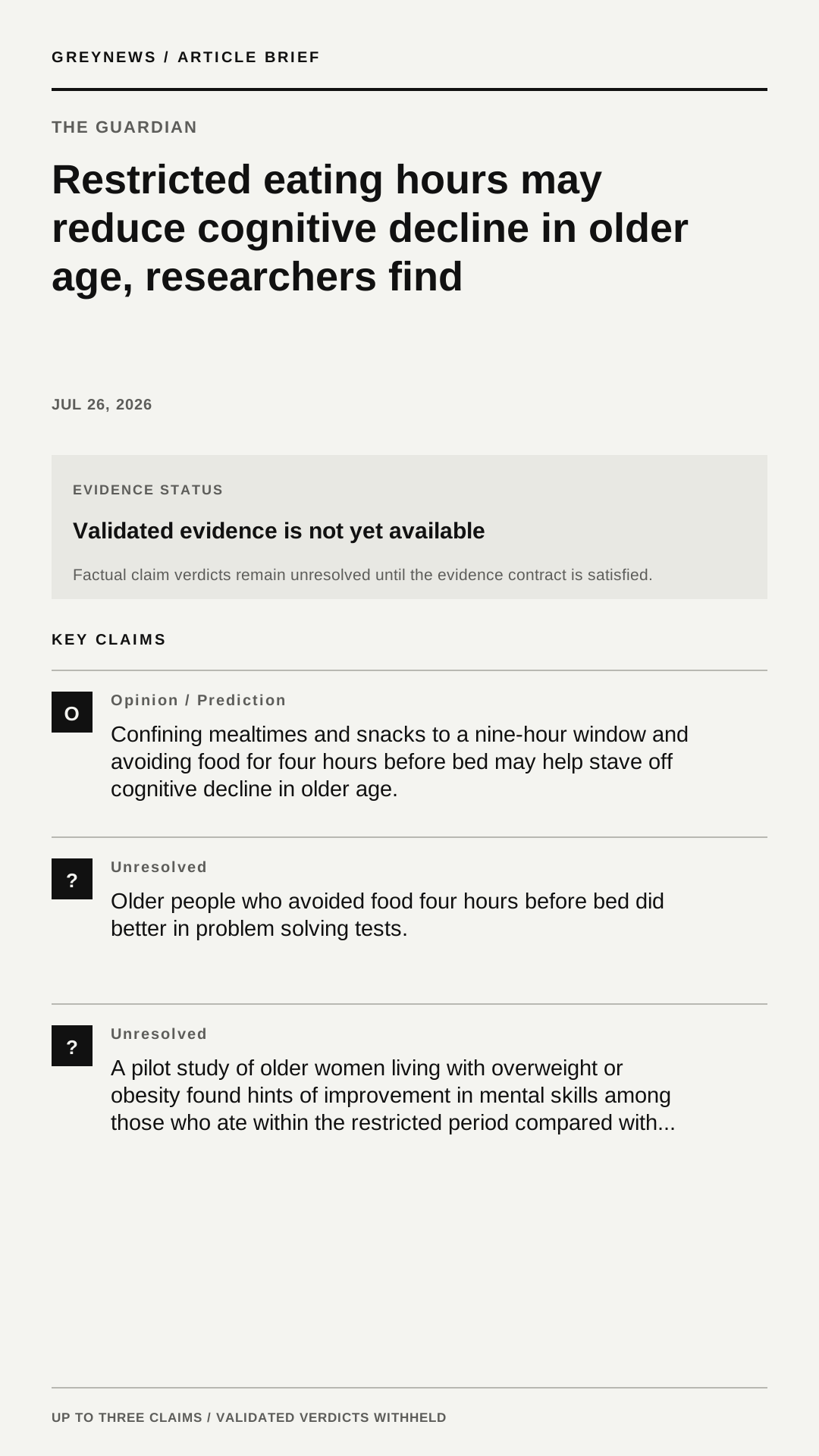
Older people who avoided food four hours before bed did better in problem solving tests.
3 claims still need verification.
No forecast extracted yet.
3 unresolved.
Key findings
Confining mealtimes and snacks to a nine-hour window and avoiding food for four hours before bed may help stave off cognitive decline in older age.
Prediction- The study is a pilot involving older women with overweight or obesity.
- The intervention restricted eating to a nine-hour window and a four-hour pre-bed fast.
Plain English
Loaded language removed<p>Preliminary study shows older people who avoided food four hours before bed did better in problem solving tests</p><p>Confining mealtimes and snacks to a nine-hour window and avoiding food for four hours before bed may help stave off cognitive decline in older age, researchers say.</p><p>A pilot study of older women living with overweight or obesity found hints of improvement in mental skills…
Emotionally neutral rewrite. Same facts, calmer framing.
What's next
This angle has contested claims
Claims
Confining mealtimes and snacks to a nine-hour window and avoiding food for four hours before bed may help stave off cognitive decline in older age.
PredictionOlder people who avoided food four hours before bed did better in problem solving tests.
The GuardianA pilot study of older women living with overweight or obesity found hints of improvement in mental skills among those who ate within the restricted period compared with those who spread their meals over a longer time.
The Guardian