Sun Fanglin, Chinese scientist who paved the way for new cancer drugs, dies aged 58
The News
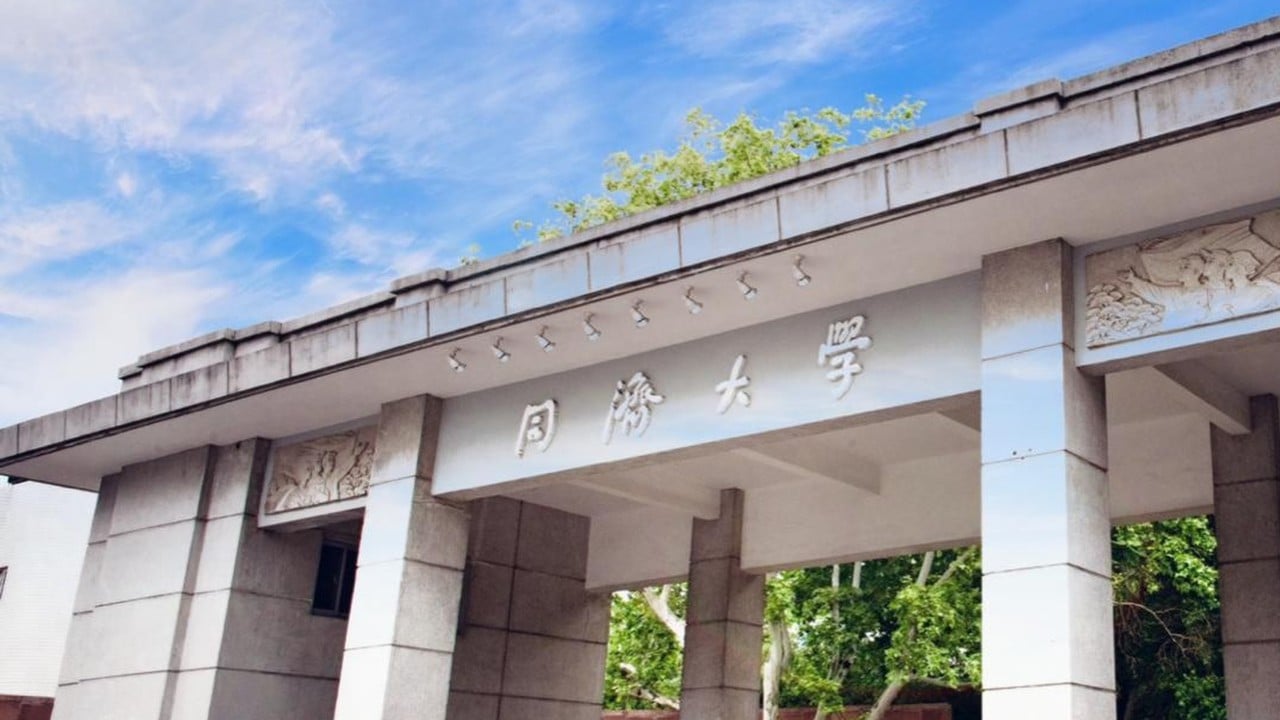
Chinese biologist Sun Fanglin, known for his research on cellular aging and tumor formation that contributed to cancer drug development, died on July 10 at age 58 after treatment for an undisclosed illness. He served as director of the Advanced Institute of Translational Medicine at Tongji University in Shanghai and was former dean of its School of Life Sciences and Technology. His work has been recognized as influential in paving the way for new cancer treatments.
Infographic
No infographic was generated for this story. GreyNews is not leaving this spinning indefinitely.
The Analysis
Intelligence Brief
Analyzed · Moderate confidence (63%)
Same as the summary above — this brief adds the distinct fields below.
Research on cellular mechanisms enables new technologies.
Sun Fanglin, a leading Chinese scientist, died at age 58.
6 claims still need verification.
No forecast extracted yet.
Key findings
Sun Fanglin's work on how cells age and form tumours helped pave the way for the development of new cancer treatments.
Opinion- Research on cellular mechanisms enables new technologies.
- Potential for novel cancer drug development.
Trust Breakdown
Plain English
Loaded language removedLeading Chinese scientist Sun Fanglin, whose work on how cells age and form tumours helped pave the way for the development of new cancer treatments, has died aged 58. Sun was director of the Advanced Institute of Translational Medicine at Tongji University in Shanghai and former dean of its School of Life Sciences and Technology.
Emotionally neutral rewrite. Same facts, calmer framing.
What's next
This angle has contested claims
Claims
Sun Fanglin's work on how cells age and form tumours helped pave the way for the development of new cancer treatments.
OpinionSun Fanglin, a leading Chinese scientist, died at age 58.
South China Morning PostSun Fanglin was director of the Advanced Institute of Translational Medicine at Tongji University in Shanghai.
South China Morning PostSun Fanglin was former dean of the School of Life Sciences and Technology at Tongji University.
South China Morning PostSun Fanglin had been receiving treatment for an undisclosed illness.
South China Morning PostSun Fanglin died on July 10.
South China Morning Post