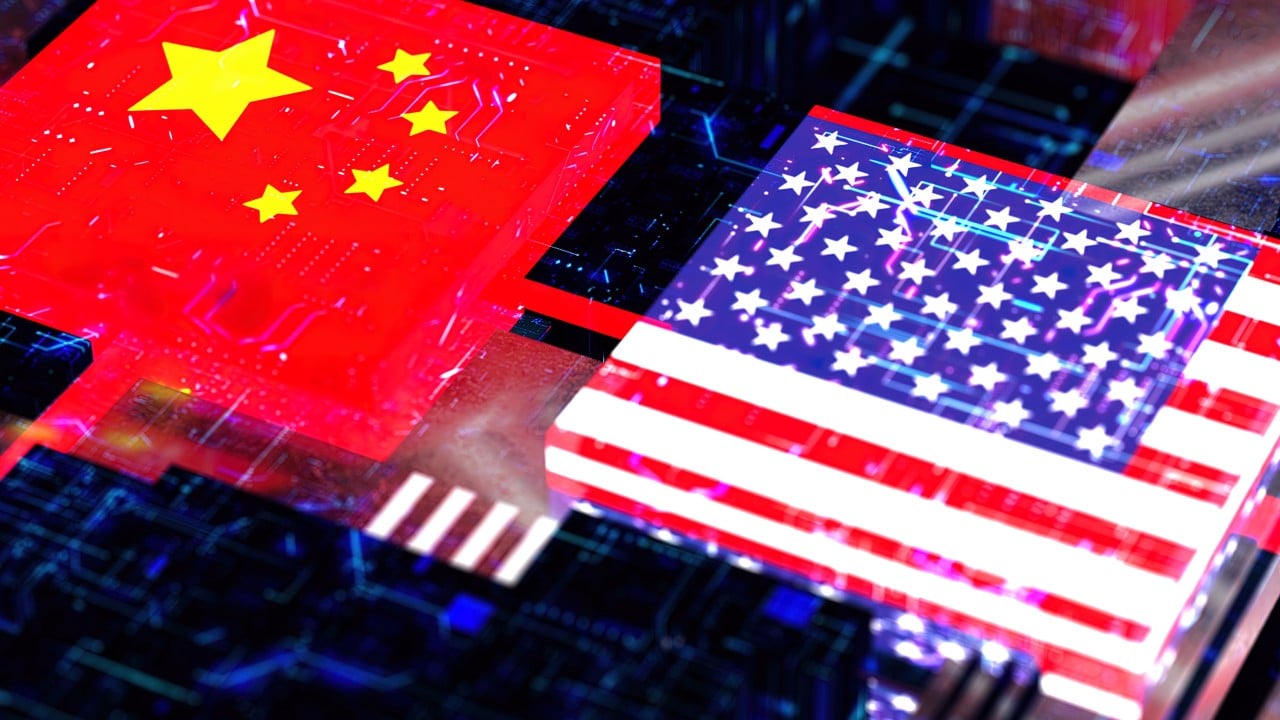
Bridging the divide: how AI scientists unite despite growing geopolitical rifts
The News
The article discusses how artificial intelligence has become a key area of strategic rivalry between the United States and China, with measures like export controls on semiconductors and scrutiny of foreign investment. Despite this geopolitical divide, some AI developers and scientists are working to maintain collaboration across borders. The article highlights the contrast between governmental tensions and the efforts of researchers to bridge the gap.
Infographic
The Analysis
Intelligence Brief
Analyzed
Same as the summary above — this brief adds the distinct fields below.
US and China are in a strategic rivalry over AI
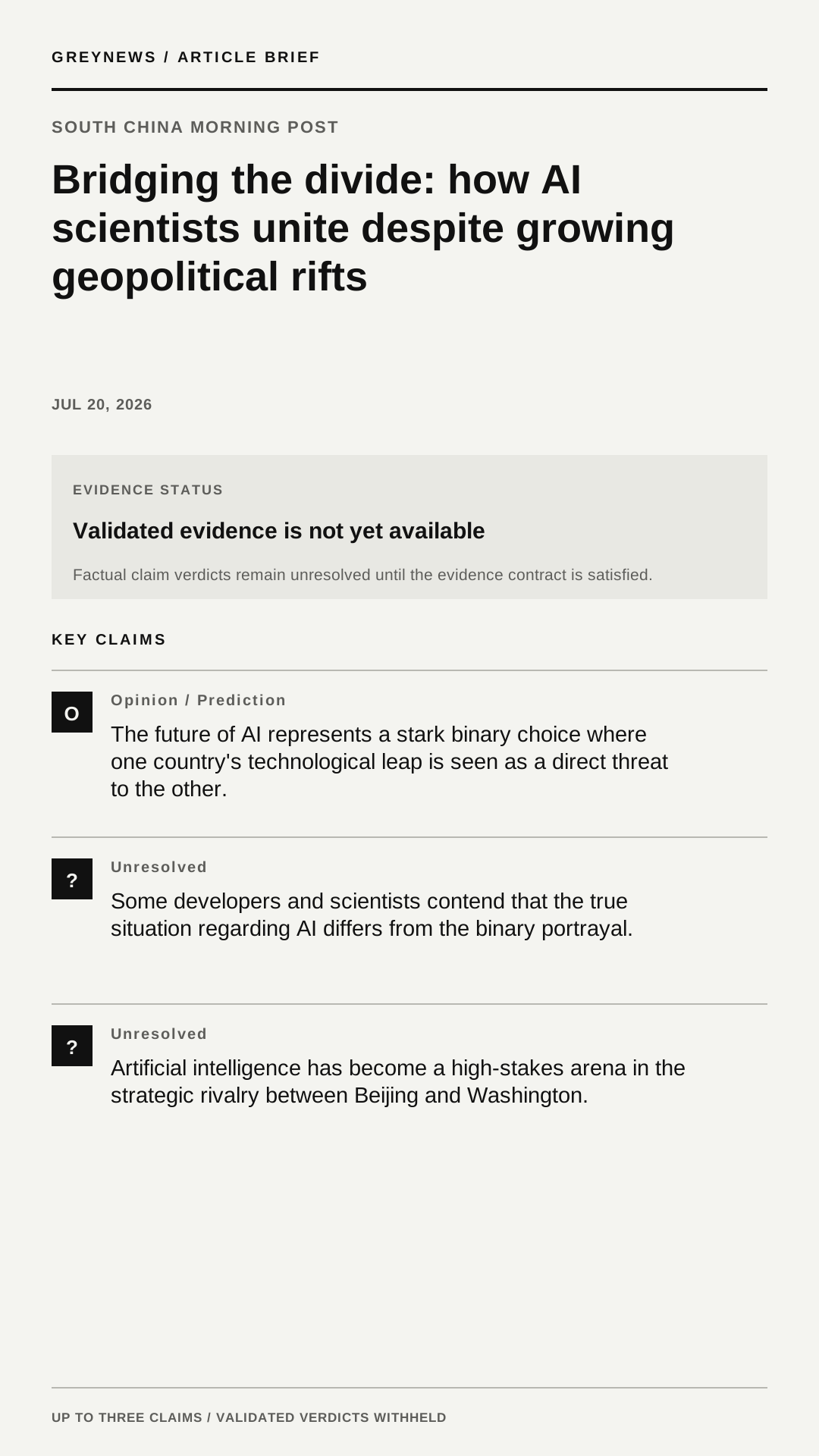
Artificial intelligence has become a high-stakes arena in the strategic rivalry between Beijing and Washington.
4 claims still need verification.
No forecast extracted yet.
4 unresolved.
Key findings
The future of AI represents a stark binary choice where one country's technological leap is seen as a direct threat to the other.
Opinion- US and China are in a strategic rivalry over AI
- Geopolitical tensions influence policy decisions
Plain English
Loaded language removedFor policymakers in Beijing and Washington, artificial intelligence (AI) has become a high-stakes arena in their strategic rivalry, closely tied to national interests and security.
Emotionally neutral rewrite. Same facts, calmer framing.
What's next
This angle has contested claims
Claims
The future of AI represents a stark binary choice where one country's technological leap is seen as a direct threat to the other.
OpinionSome developers and scientists contend that the true situation regarding AI differs from the binary portrayal.
South China Morning PostArtificial intelligence has become a high-stakes arena in the strategic rivalry between Beijing and Washington.
South China Morning PostExport controls on high-end semiconductors are part of the rivalry between the US and China.
South China Morning Post